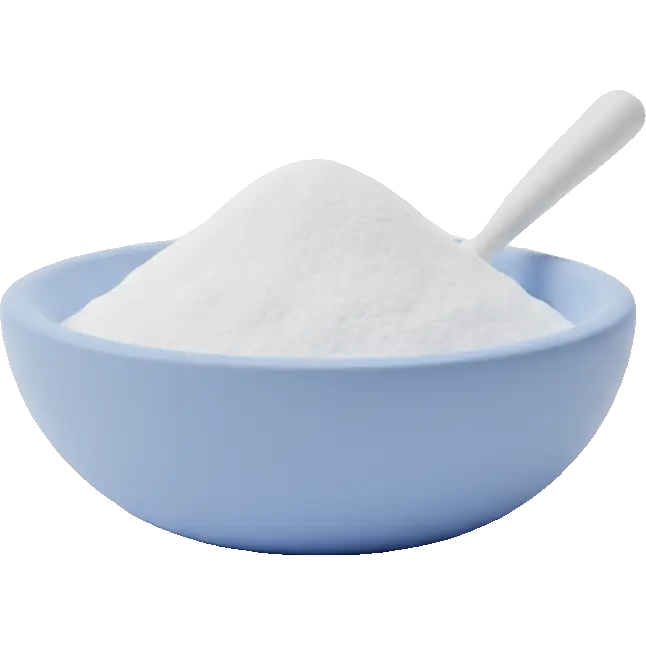
baking powder
Additives & Leavening
Is baking powder high in caffeine?
Is baking powder high or low in caffeine? See its exact rating, how much counts as a portion, and its FODMAP, salicylate, oxalate and diet compatibility in one place.
Related checkers
Compare baking powder across criteria
Sensitivity notes
Why caffeine food checker matters
Caffeine is a natural stimulant found in coffee, tea, chocolate, and many soft drinks. While safe for most people, those with caffeine sensitivity may experience anxiety, rapid heartbeat, digestive issues, or sleep disturbances even from small amounts.
- Gradually reduce caffeine to avoid withdrawal headaches
- Switch to decaf versions of your favorite drinks
- Be aware of hidden caffeine in chocolate and some medications
- Try herbal alternatives like rooibos or peppermint tea
- Caffeine sensitivity can change with age and stress levels
Sensitivities
What baking powder contains
FODMAPs
Histamine & Amines
Plant compounds
Irritants
Additives
Allergens
Diet fit
Where baking powder fits
Therapeutic diets
Lifestyle diets
Religious diets
What to know about baking powder
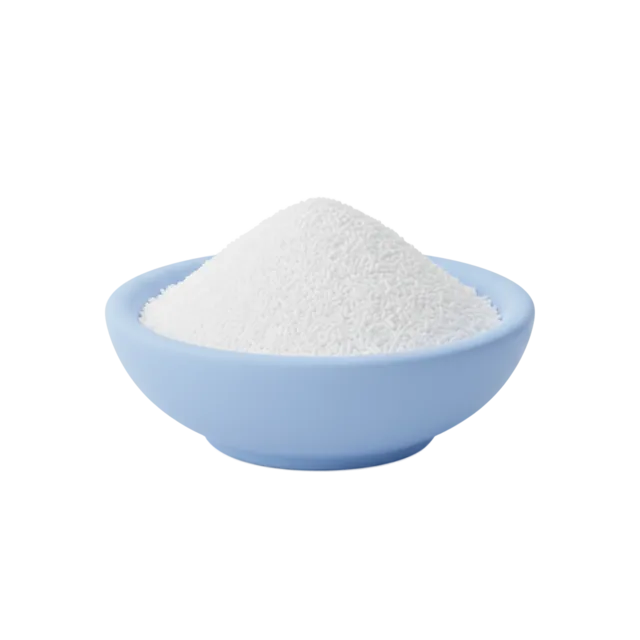
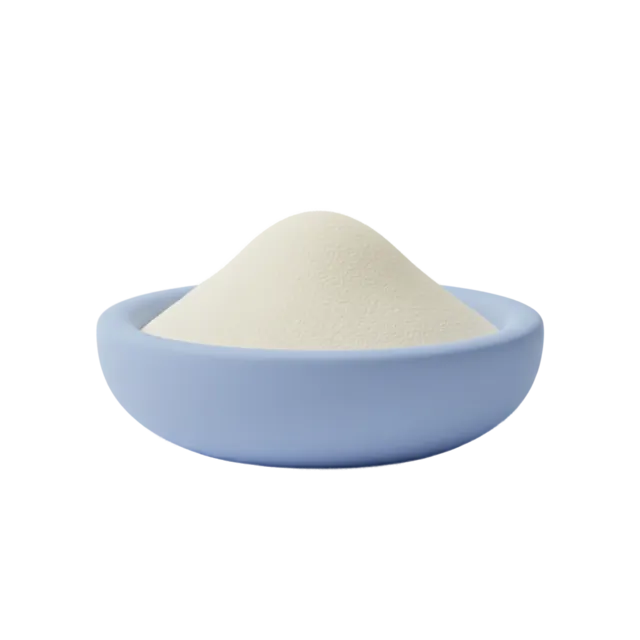
The question people actually type is whether baking powder is gluten free, and the honest answer is: usually yes, but it depends on the tin. Baking powder is three things blended together, sodium bicarbonate, a dry powdered acid such as monocalcium phosphate or sodium acid pyrophosphate, and a starch buffer that keeps the two from reacting in the packet. That starch is almost always cornstarch, which is why the standard product grades A for gluten, but a minority of brands use wheat starch instead, so coeliacs should read the ingredient line rather than assume. On every other trigger it is a quiet ingredient: A for histamine and histamine liberation, lactose, dairy protein, sulfites, nitrites, nickel, glutamates and nightshades, with all four FODMAP groups rated clean as well.
Watch for
- The starch buffer is the only part worth checking.Cornstarch is the norm and is what the A gluten grade reflects, but wheat starch shows up in some brands, particularly outside the US. Certified gluten-free tins exist for exactly this reason
- If you avoid corn rather than gluten, the same buffer is your problem in reverse.Corn-free baking powders exist, or you can mix your own from cream of tartar and baking soda
- Double-acting powders built on sodium aluminium sulfate leave a faint metallic edge that some palates pick up in pancakes and yellow cakes.Aluminium-free versions use phosphate acids instead. That is a taste issue, not a graded trigger
- It is still a sodium salt blend.A teaspoon runs around 400 mg of sodium, less than the same spoon of pure baking soda but not nothing if you are counting salt
- Potency fades once the tin is opened.Stale powder gives a poor rise, cooks compensate by doubling it, and the extra unreacted acid and alkali is what makes the crumb taste chemical
Explore related in Additives & Leavening
Compare similar foods to build a personalized list of swaps that work for your system.

Caffeine Guide
Everything you need to know about caffeine sensitivity and smart food choices.
Caffeine is a natural stimulant found in coffee, tea, chocolate, and many soft drinks. While safe for most people, those with caffeine sensitivity may experience anxiety, rapid heartbeat, digestive issues, or sleep disturbances even from small amounts.
Sensitivity varies widely. What triggers one person may be fine for another. Track your reactions to find your personal threshold.








These foods have moderate levels and may be tolerated in small amounts:




These foods are high in caffeine and may trigger symptoms:




If you're sensitive to Caffeine, consider these strategies:
- 1Gradually reduce caffeine to avoid withdrawal headaches
- 2Switch to decaf versions of your favorite drinks
- 3Be aware of hidden caffeine in chocolate and some medications
- 4Try herbal alternatives like rooibos or peppermint tea
- 5Caffeine sensitivity can change with age and stress levels
Pro tip: Keep a food diary to track your reactions. The Triggerbites app makes this easy with automatic pattern detection.
Want personalized tracking?
Download Triggerbites to log meals, track symptoms, and discover your unique triggers.
Get the AppFAQ
Is baking powder high in Caffeine?
Caffeine: low signal for most people.
Can I still eat baking powder if I'm sensitive to Caffeine?
Usually fine in normal portions.
What else should I check?
Check Inflammation, AIP, and Specific Carbohydrate next for a fuller picture.