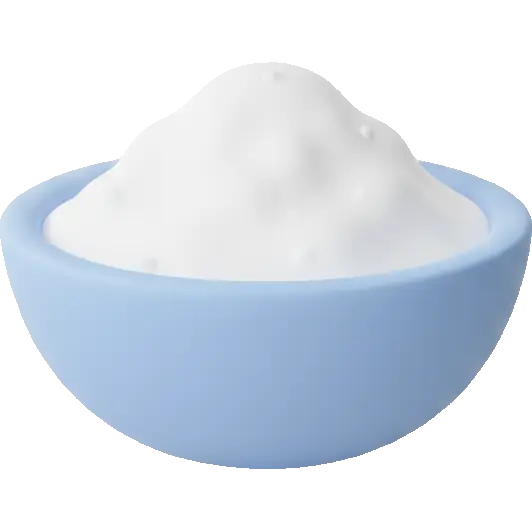
baking soda
Additives & Leavening
Is baking soda mediterranean-compatible?
See whether baking soda fits a mediterranean diet, with a clear compatible-or-avoid verdict plus its FODMAP, histamine and other trigger ratings in one place.
Related checkers
Compare baking soda across criteria
Sensitivity notes
Why mediterranean diet checker matters
The Mediterranean diet is based on traditional foods from countries bordering the Mediterranean Sea. It emphasizes olive oil, fish, vegetables, whole grains, and moderate wine consumption while limiting red meat and processed foods.
- Make olive oil your primary fat source
- Eat fish at least twice per week
- Enjoy meals with family and friends - it's part of the lifestyle
- Red wine in moderation (optional) with meals
- Limit red meat to a few times per month
Sensitivities
What baking soda contains
FODMAPs
Histamine & Amines
Plant compounds
Irritants
Additives
Allergens
Diet fit
Where baking soda fits
Therapeutic diets
Lifestyle diets
Religious diets
What to know about baking soda
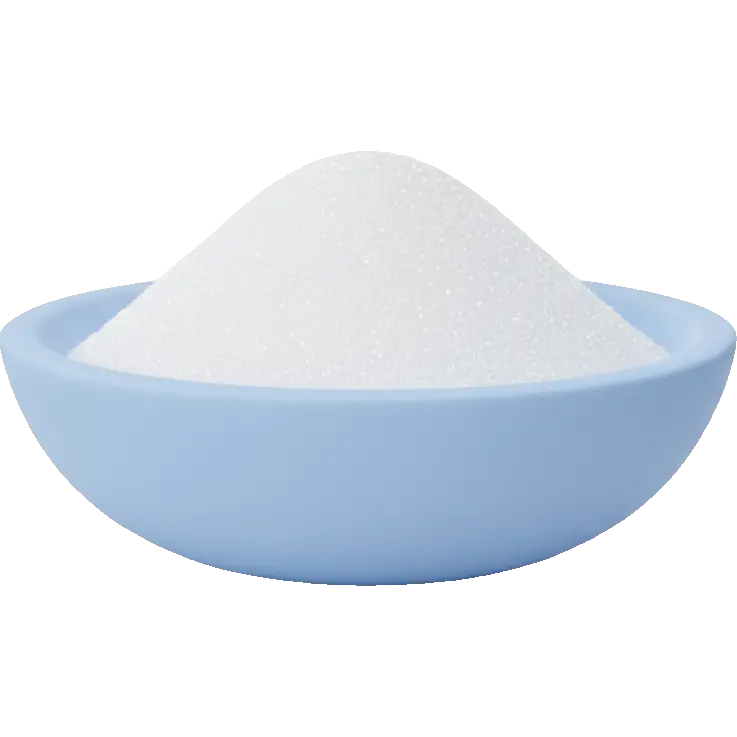
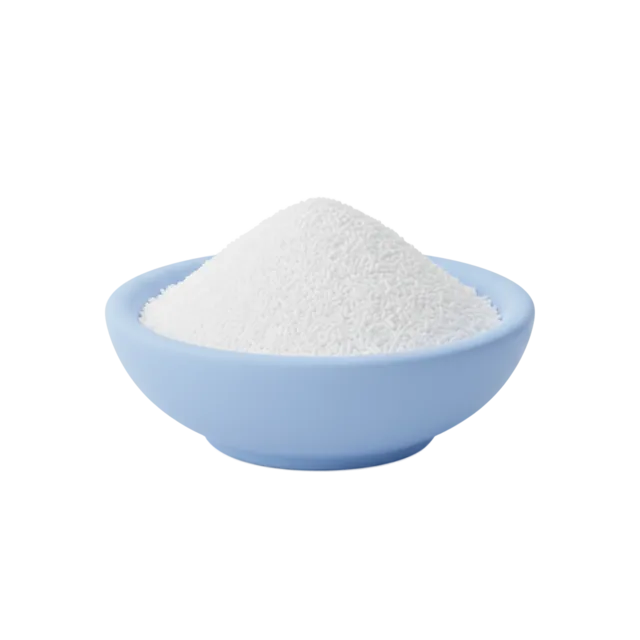
Baking soda is pure sodium bicarbonate, a single inorganic salt, and it grades clean right across the food chemistry triggers: A for gluten, lactose, dairy protein, histamine and histamine liberation, sulfite, nitrite, nickel, glutamate and nightshade. If a muffin set you off, the culprit is almost certainly the flour, the dairy or the fruit, not the leavening. The two things genuinely worth knowing are that it is about a quarter sodium by weight, so a level teaspoon carries roughly 1,200 mg of sodium, and that swallowing it by the spoonful as a heartburn remedy is a documented safety problem rather than a folk cure. It also does nothing on its own: baking soda needs an acid in the batter to release its carbon dioxide, which is the practical difference between it and baking powder.
Watch for
- Sodium load: sodium bicarbonate is roughly 27 percent sodium by weight, so a teaspoon carries about 1,200 mg.Spread across a whole tray of scones that is trivial, but taken neat it is a serious salt dose
- Antacid misuse is the real hazard.Repeated spoonfuls for heartburn have caused metabolic alkalosis and high blood sodium, and there are case reports of gastric rupture when a large dose hit a full stomach and generated gas faster than it could be belched out. This is a dosing risk, not a sensitivity
- It needs an acid to work.Without buttermilk, yogurt, lemon, molasses or cocoa in the mix it does not fully react, and the leftover alkali leaves a soapy, metallic bitterness people sometimes misread as a reaction to the food
- Salicylate, oxalate and overall FODMAP are listed as unrated here.It is an inorganic mineral salt with no plant chemistry, so there is nothing in it for those particular triggers to come from, but the grade sheet does not state a value
- Free of the top allergens by its nature: one ingredient, no wheat, no milk, no soy, no additives to check
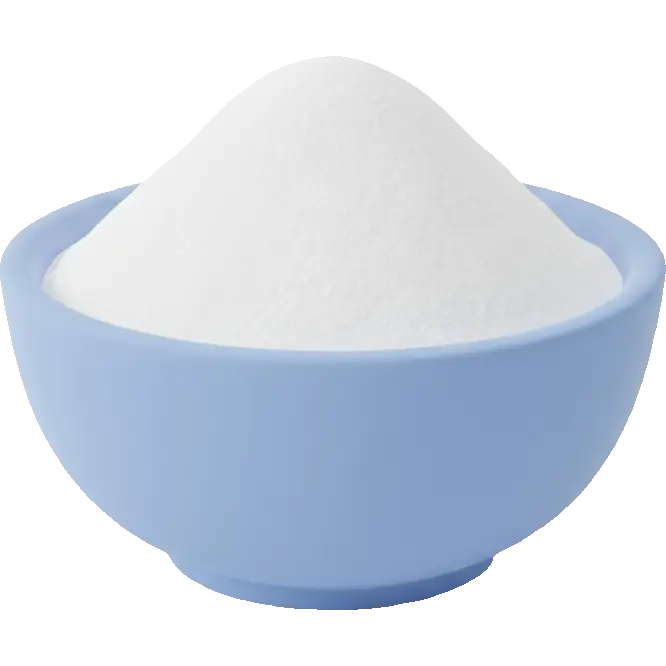
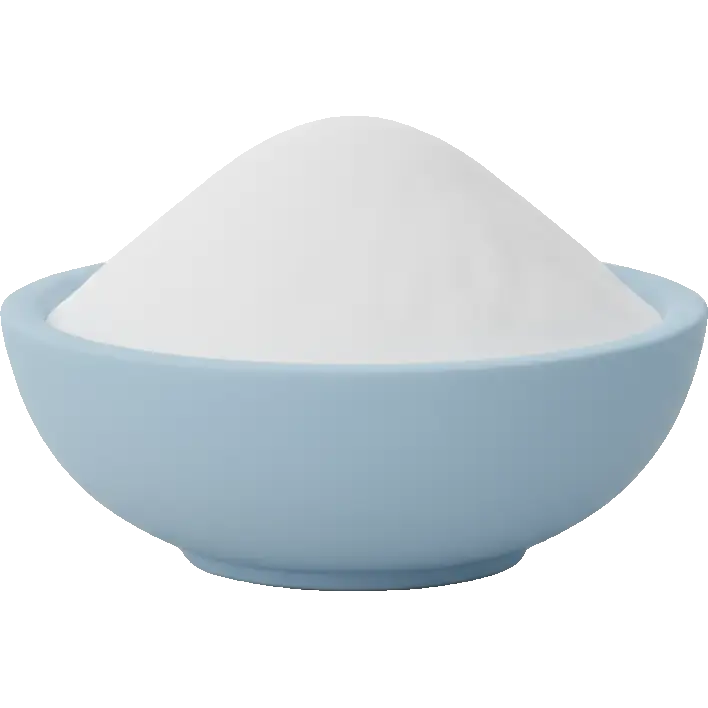
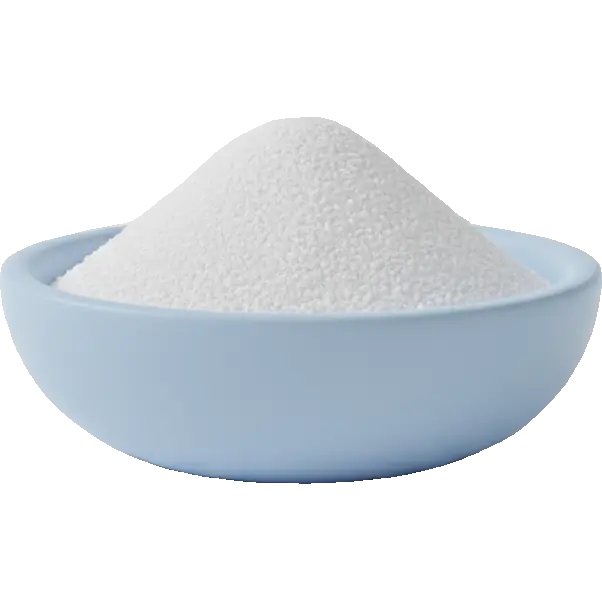
Explore related in Additives & Leavening
Compare similar foods to build a personalized list of swaps that work for your system.

Mediterranean Guide
Everything you need to know about mediterranean compatibility and smart food choices.
The Mediterranean diet is based on traditional foods from countries bordering the Mediterranean Sea. It emphasizes olive oil, fish, vegetables, whole grains, and moderate wine consumption while limiting red meat and processed foods.
These foods are typically compatible with a Mediterranean approach:
View all safe options







Practical guidance for following a Mediterranean diet:
- 1Make olive oil your primary fat source
- 2Eat fish at least twice per week
- 3Enjoy meals with family and friends - it's part of the lifestyle
- 4Red wine in moderation (optional) with meals
- 5Limit red meat to a few times per month
Pro tip: Keep a food diary to track your reactions. The Triggerbites app makes this easy with automatic pattern detection.
Want personalized tracking?
Download Triggerbites to log meals, track symptoms, and discover your unique triggers.
Get the AppFAQ
Does baking soda fit a mediterranean diet?
Mediterranean: fits well for most plans.
What if I eat it occasionally?
Still check preparation and add-ins.
What are safer swaps?
Compare within the Additives & Leavening group.