Dairy-protein foods: the complete list
Milk allergy is a reaction to the protein - not the sugar - and that's a different list, and a different condition, from lactose intolerance.
"Dairy" gets discussed as one thing, but it causes problems in two completely different ways - and they need two different lists. One is lactose, the sugar. The other is dairy protein - and that's what this post is about.
If milk protein is your issue, here's the complete list of foods that contain it, and why the distinction matters.
Dairy protein vs lactose: a crucial difference
Cow's milk contains two things that commonly cause trouble, and confusing them leads people badly astray.
Lactose intolerance is a digestive issue - the body doesn't make enough lactase to break down milk sugar. It's uncomfortable but not dangerous, and it doesn't involve the immune system.
Cow's milk protein allergy is different in kind. It's a true immune reaction to milk protein - chiefly casein and whey - in which the immune system treats those proteins as a threat.1 It can be more serious, and in its IgE-mediated form it can cause anaphylaxis.2
The practical consequence: the two need opposite lists. Someone with lactose intolerance can often have hard aged cheese or lactose-free milk; someone with a milk-protein allergy cannot - the protein is still there.3 Lactose-free milk is not dairy-protein-free.
The dairy-protein foods
Below is the full list of foods that contain dairy protein - drawn directly from the Triggerbites ingredient database.




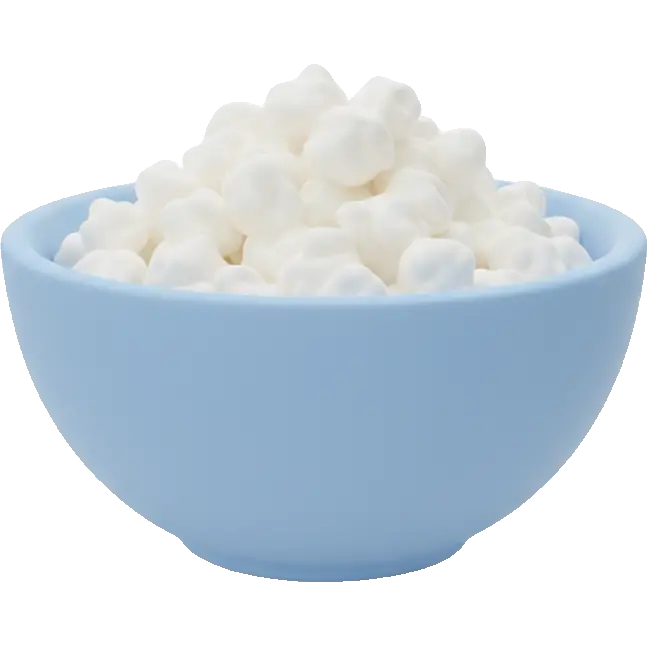
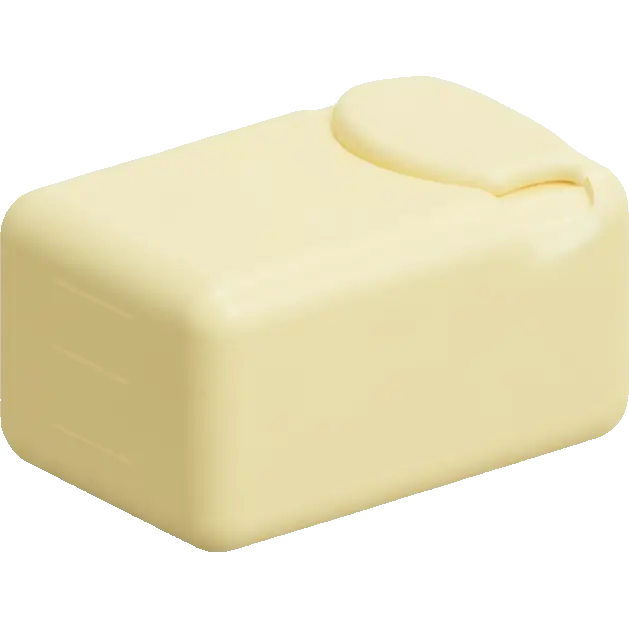
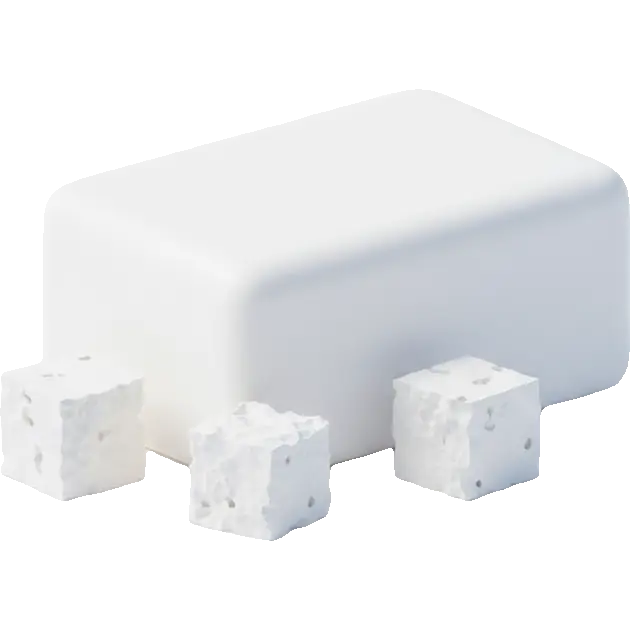

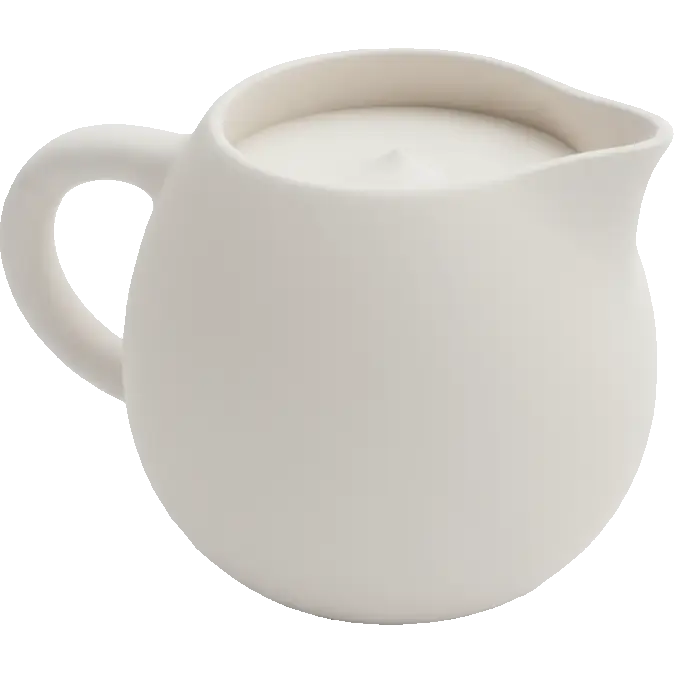

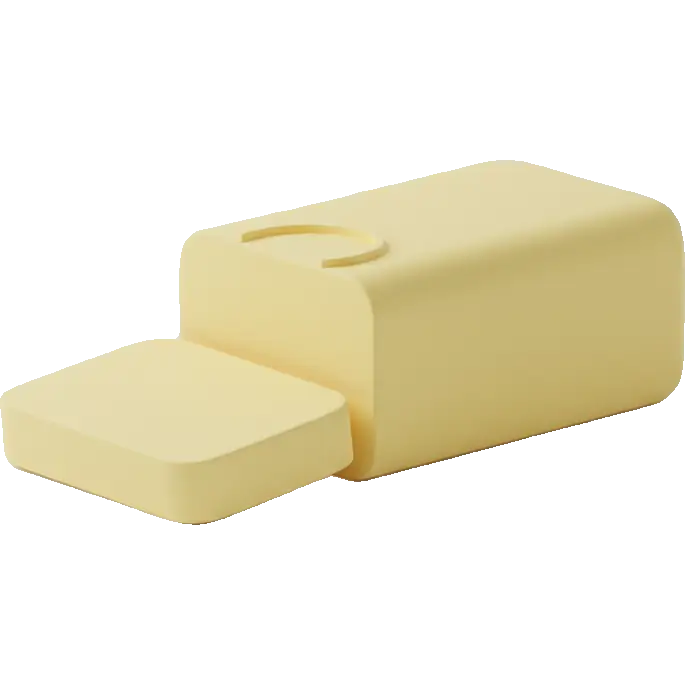

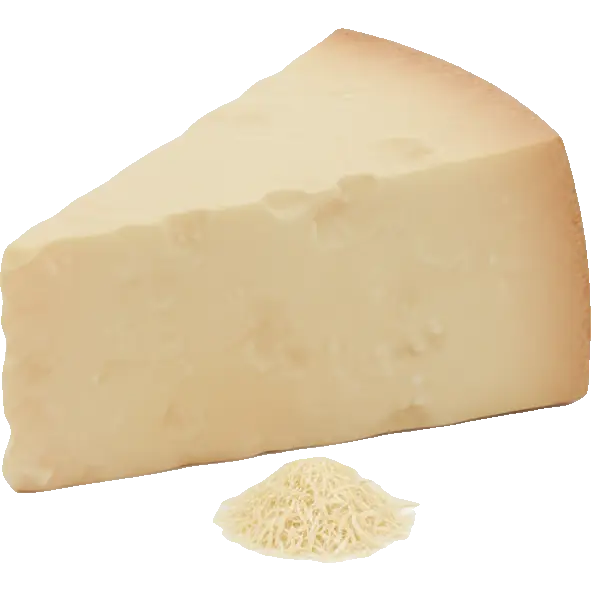
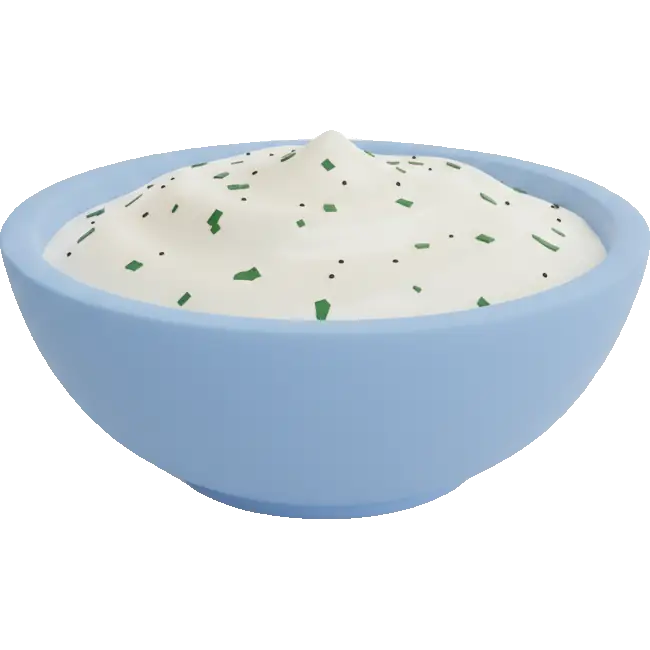
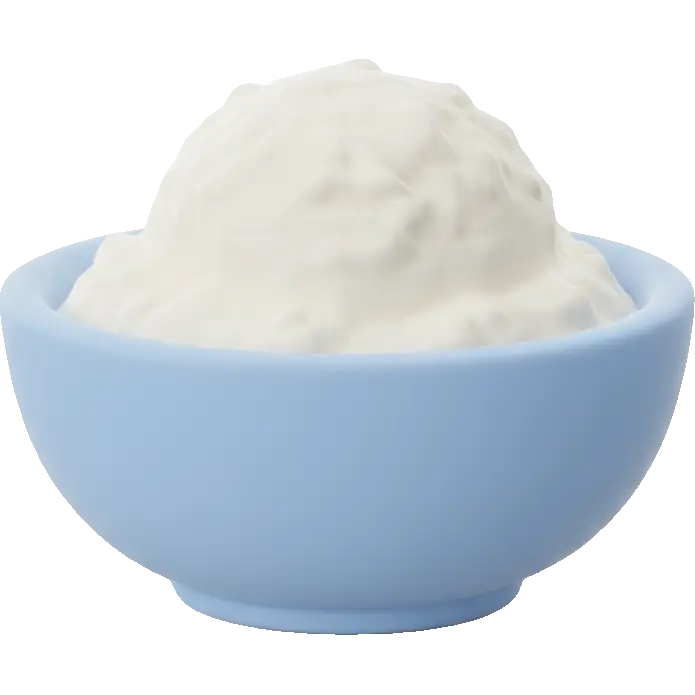
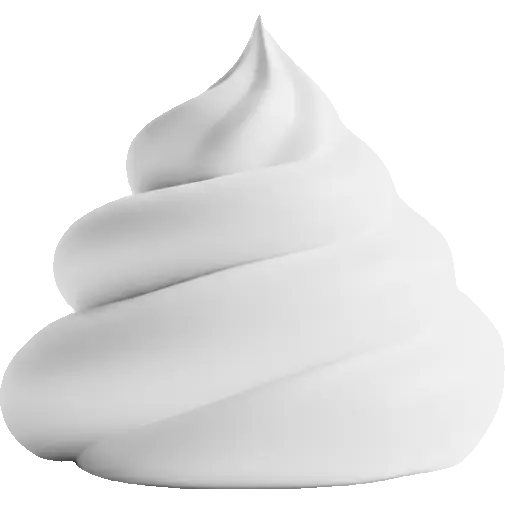
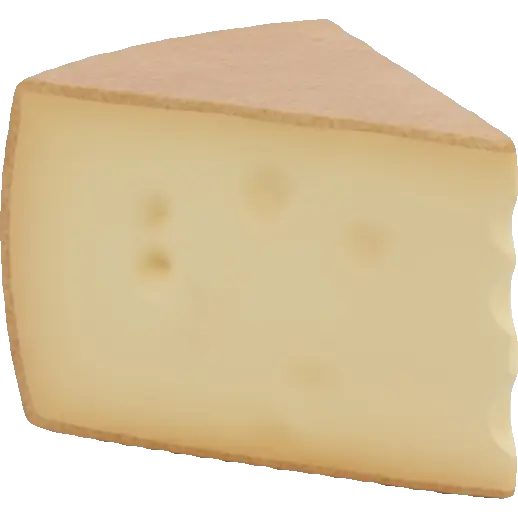
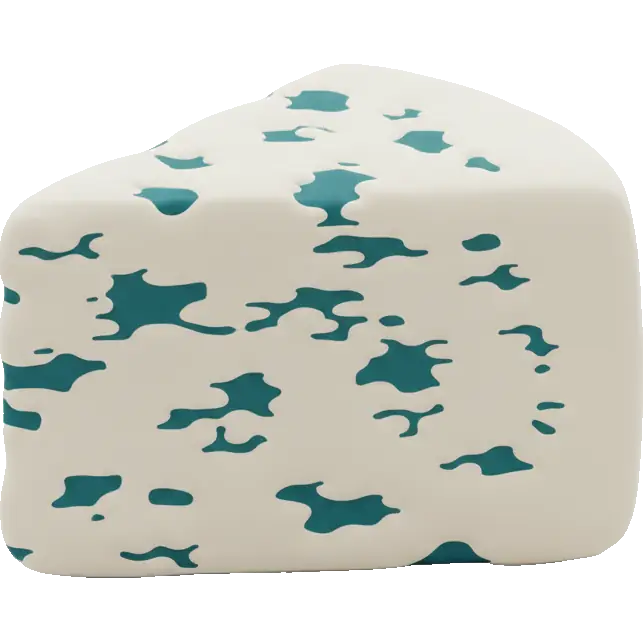
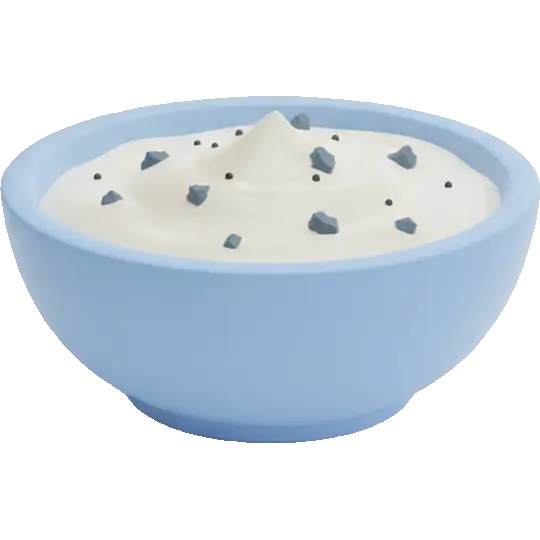

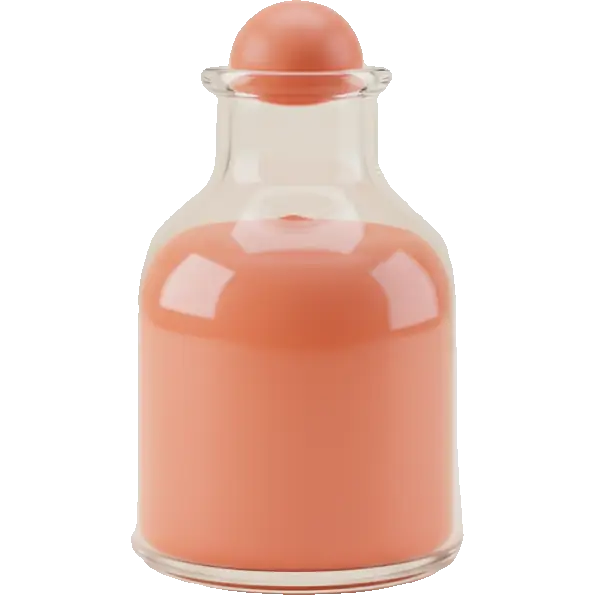
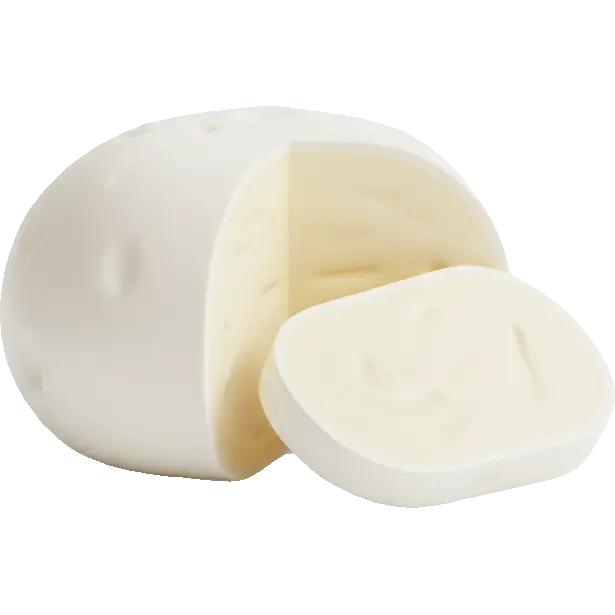
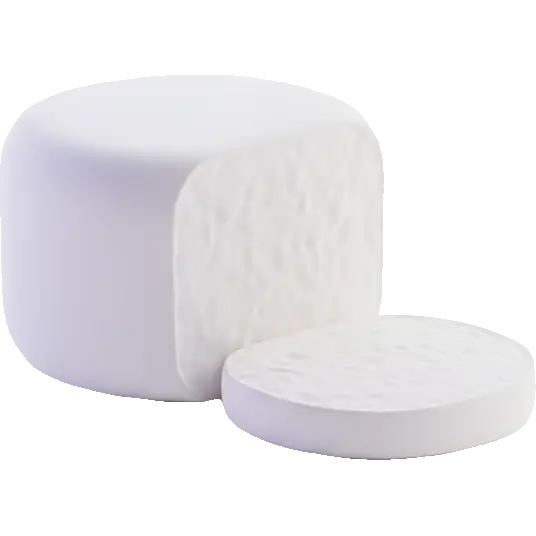
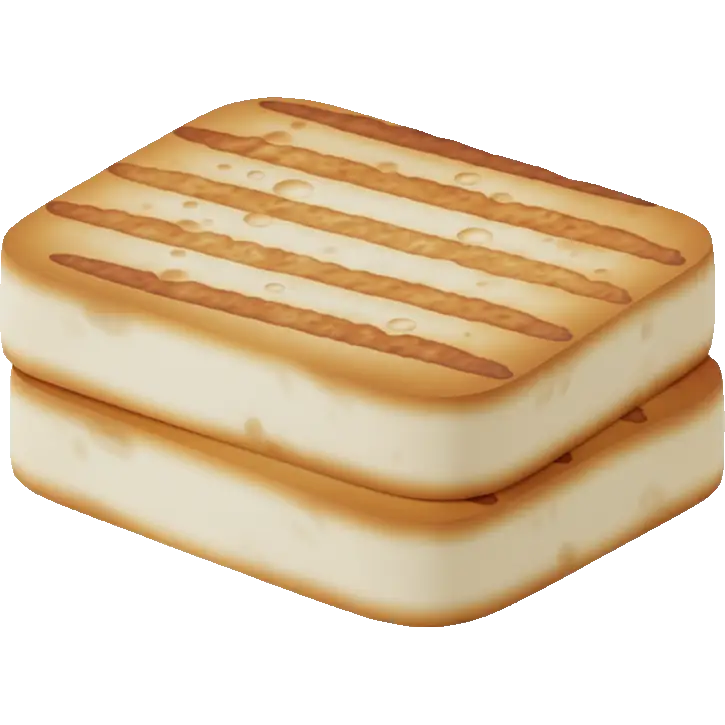
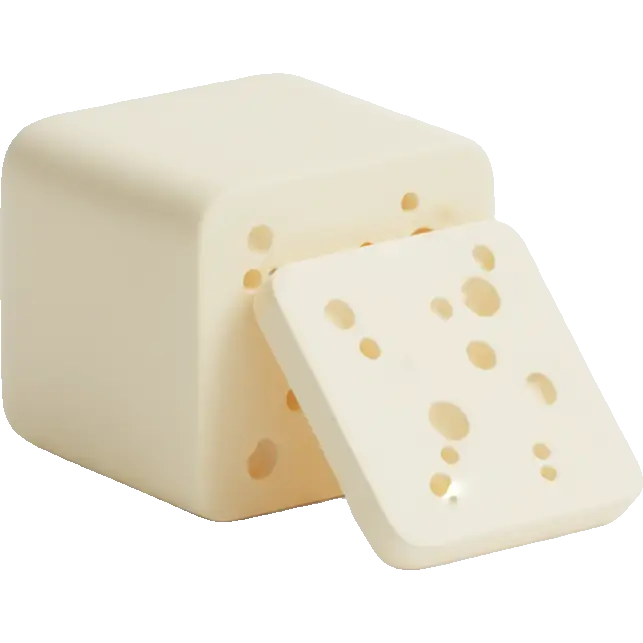
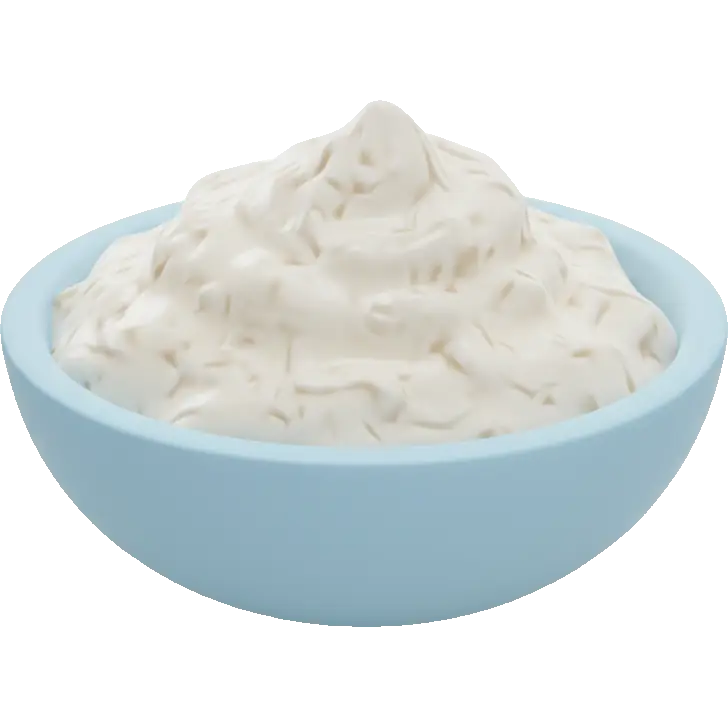
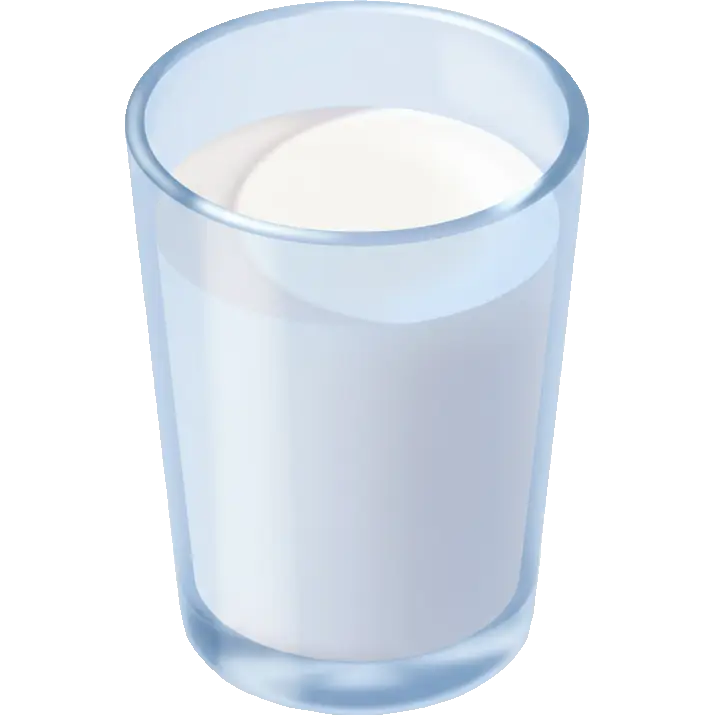
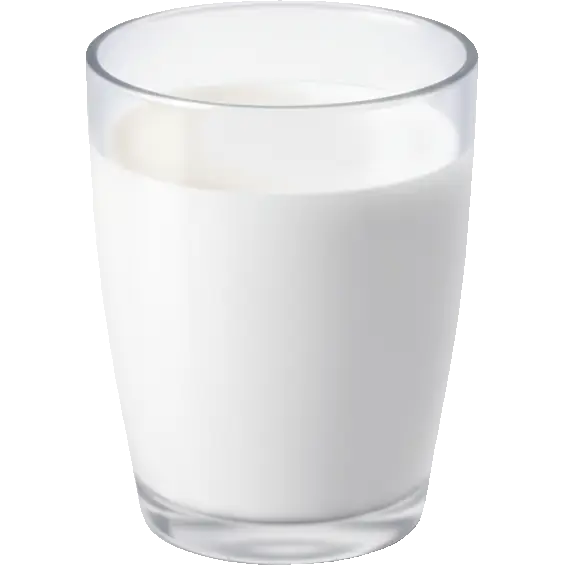



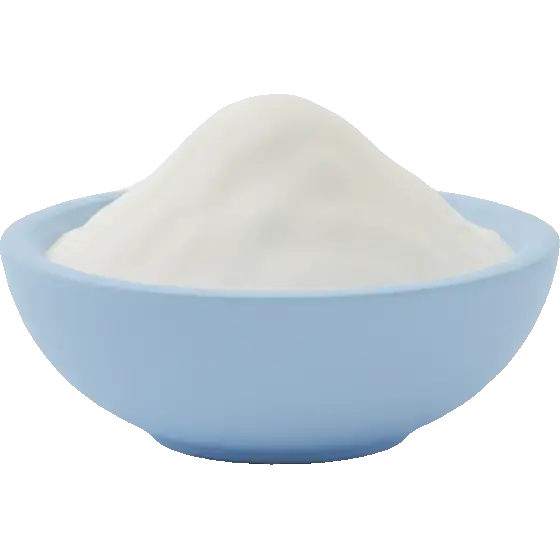

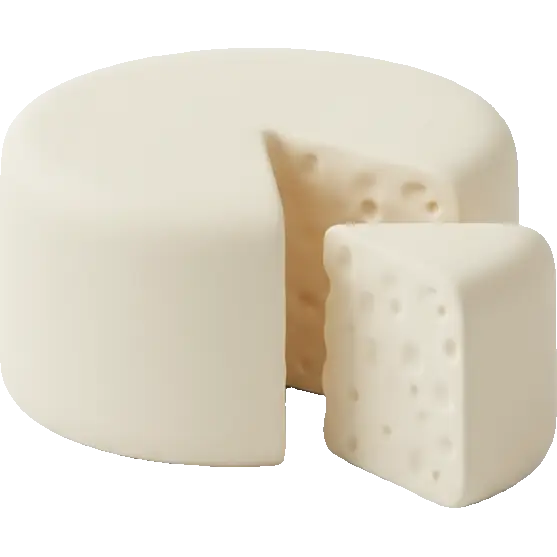
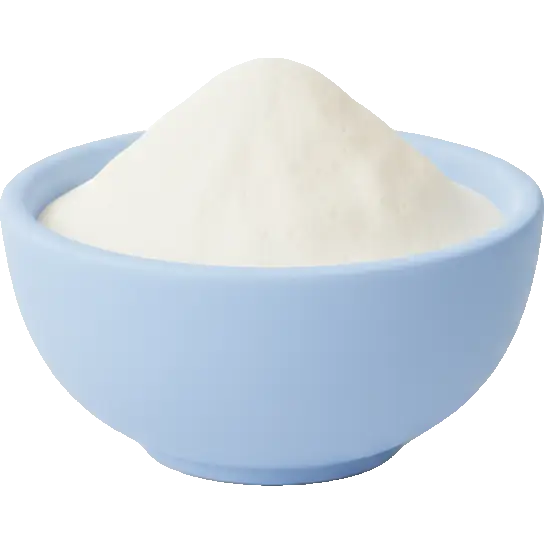
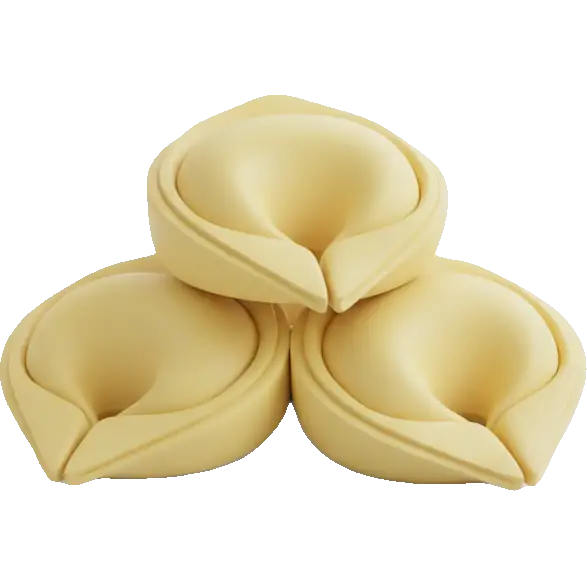
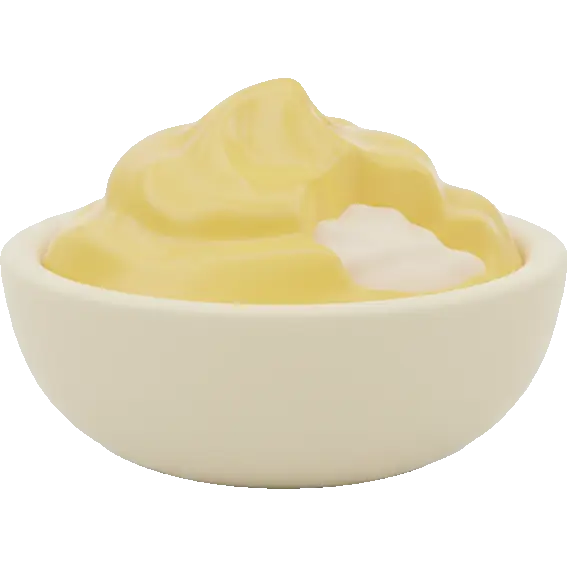
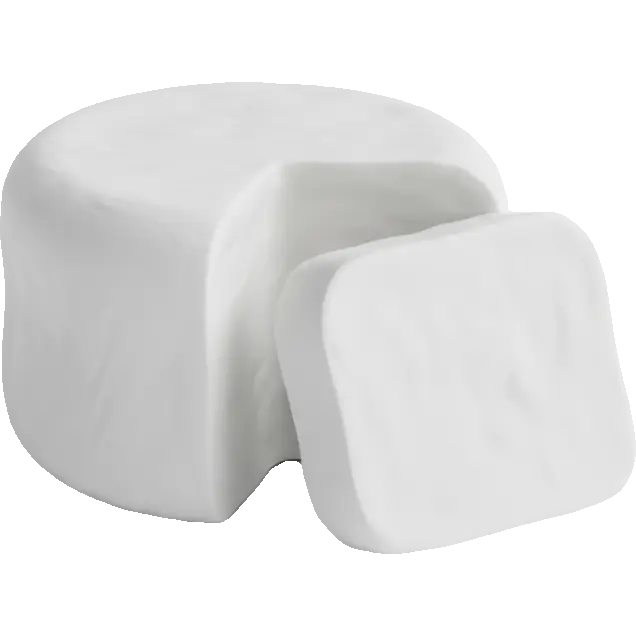
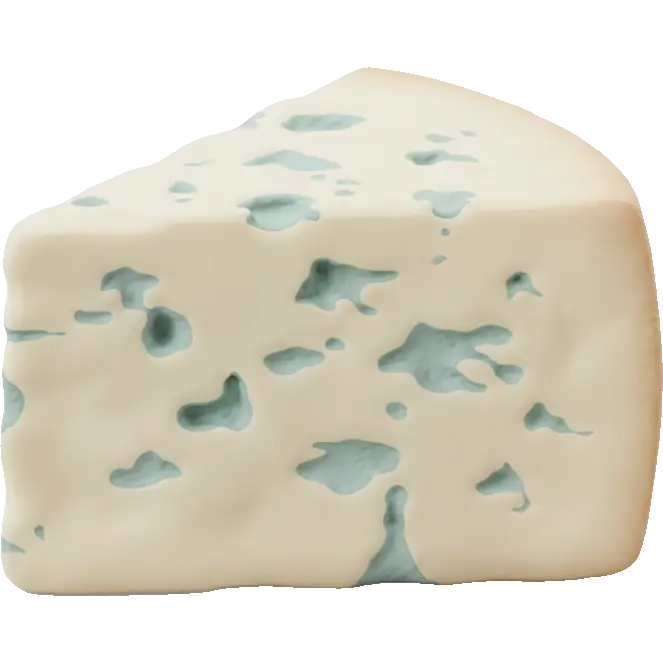
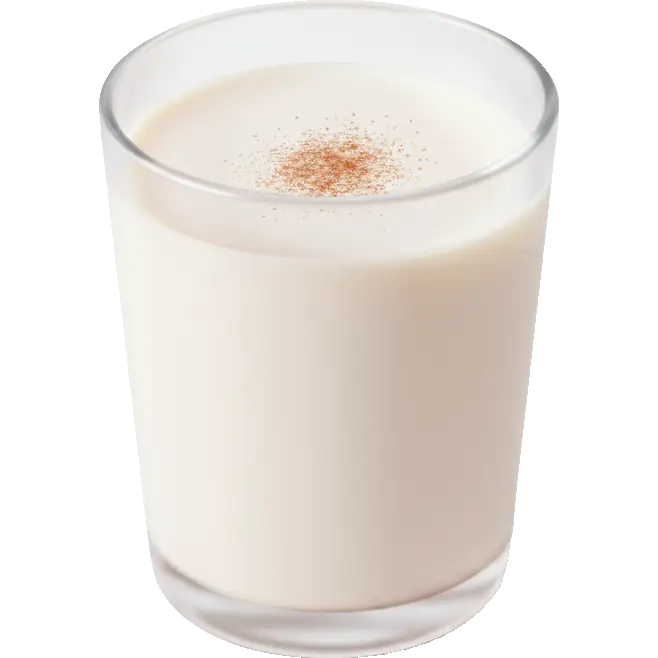

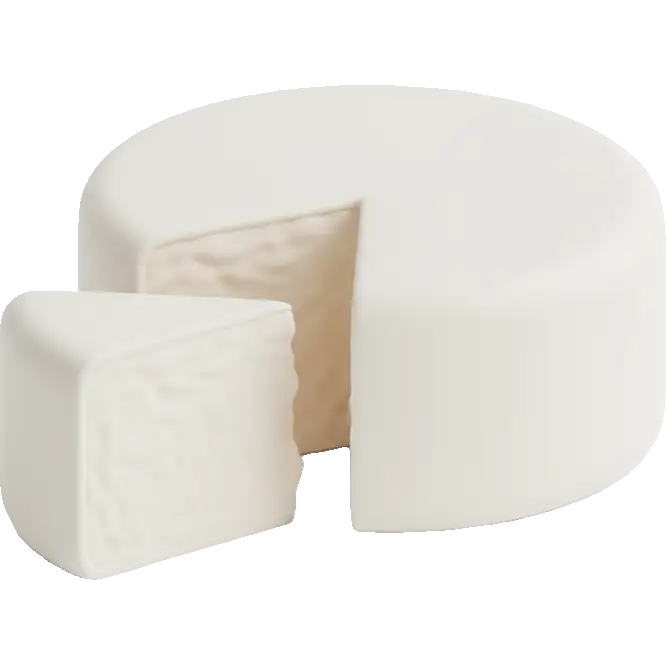

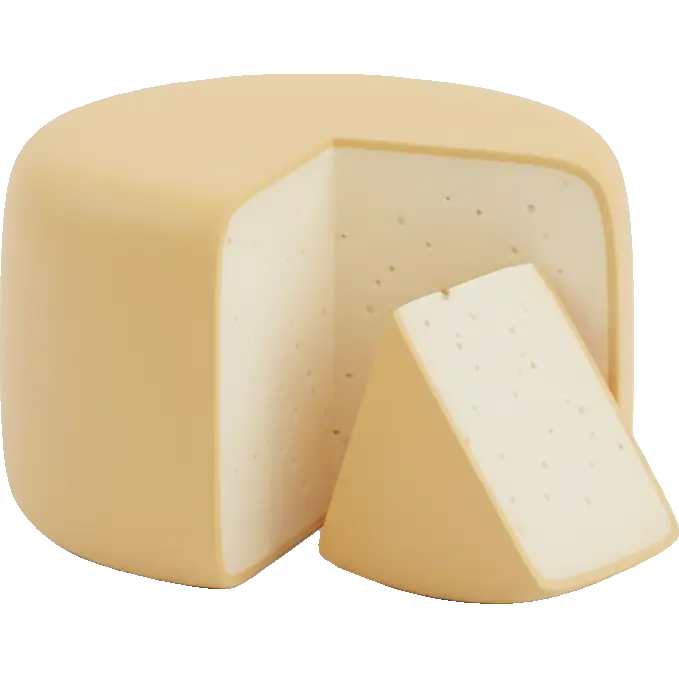
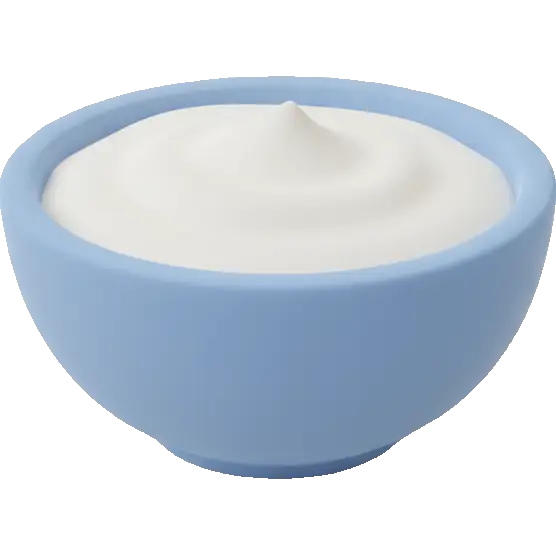
Note two things. Lactose-free milk is on this list - because removing the sugar leaves the protein untouched. And dairy protein hides in places people forget: caramel sauce, some margarines, creamy dressings and sauces, milk chocolate, and processed foods with added whey or casein.
Reading labels
Because dairy-protein allergy means avoiding the protein entirely, label-reading is the core skill. The words to watch for include milk, cream, butter, cheese, yogurt - and the less obvious ones: casein, caseinate, whey, lactalbumin and "milk solids."
Finding your pattern
If you're working out whether dairy protein is your issue, track which dairy-protein foods you had and the type and timing of the reaction. The telling test is whether lactose-free dairy still causes symptoms; if it does, the protein is the likely culprit.
Where Triggerbites fits in
This list comes straight from the food data inside Triggerbites, which tags every ingredient for dairy protein - separately from lactose - alongside 40+ other trigger criteria.
So when you log meals in plain language, Triggerbites extracts the ingredients, flags the dairy protein, and correlates it with your symptoms. That tells a protein reaction from a lactose one, and builds a clear picture for a doctor.
It takes seconds a day, and it untangles the two halves of "dairy."






Triggerbites Features
- Log your day in 30 seconds: Text, voice or photo. Log as you go, or recap it all in the evening.
- Your food, broken down: Meals become ingredients and sensitivity profiles: histamine, salicylates, FODMAPs, allergens, and even the additives on packaged food.
- Everything in the same journal: Symptoms, supplements, sleep, stress, exercise and mood, beside what you ate.
- See what repeats over time: Patterns between what you eat and how you feel, including delayed reactions that show up days later.
For the other half, see lactose intolerance explained and food allergy or food intolerance?
Live, love, log. 🧡
References
- 1
- 2
- 3U.S. National Library of Medicine (PMC) "Lactose Intolerance versus Cow's Milk Allergy in Infants: A Clinical Dilemma"PMC
 Mayo Clinic
Article References and Citations
- Mayo Clinic: "Milk allergy - Symptoms & causes" - https://www.mayoclinic.org/diseases-conditions/milk-allergy/symptoms-causes/syc-20375101
- Food Allergy Research & Education (FARE): "Milk Allergy vs. Lactose Intolerance" - https://www.foodallergy.org/resources/milk-allergy-vs-lactose-intolerance
- U.S. National Library of Medicine (PMC): "Lactose Intolerance versus Cow's Milk Allergy in Infants: A Clinical Dilemma" - https://www.ncbi.nlm.nih.gov/pmc/articles/PMC10856892/