Back to Ingredient checker
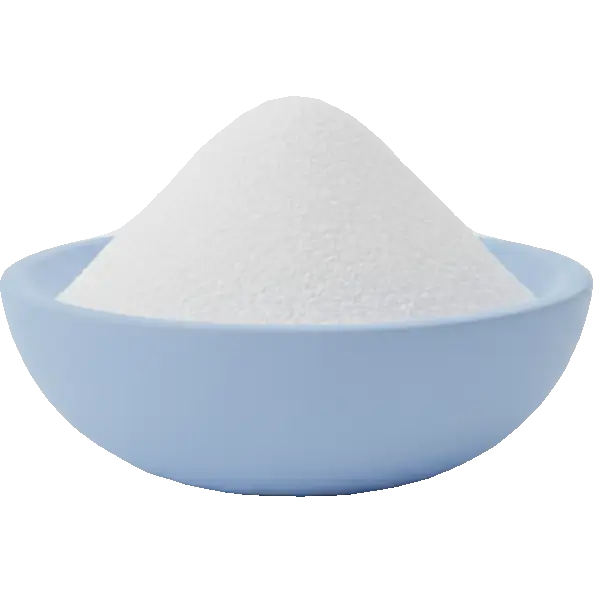
monosodium glutamate

monosodium glutamate

Additives & Leavening

Trigger checker for monosodium glutamate

FODMAP rating
Low FODMAP

See monosodium glutamate rated across every trigger — FODMAP, histamine, salicylate, oxalate, tyramine and more — plus diet compatibility, all in one quick ingredient profile.

Related checkers

Compare monosodium glutamate across criteria

Triggers

HistamineLow
Histamine Liberators
FODMAPsSafe
FructansSafe
GOSSafe
FructoseSafe
PolyolsSafe
GlutenSafe
LactoseSafe
Dairy ProteinsSafe
NightshadesSafe
SalicylatesSafe
OxalatesSafe
NickelSafe
SulfitesSafe
NitritesSafe
GlutamatesAvoid
TyramineSafe
CaffeineSafe
LectinSafe
Low FermentationSafe

Diets

GlutenFit
InflammationAvoid
VeganFit
VegetarianFit
Paleo AIPAvoid
MediterraneanFit
DASH DietFit
EoE CompatibleFit
FODMAPsFit
Low FermentationFit
Priority ingredient notes

Serving size, prep, and portion notes for monosodium glutamate

Monosodium glutamate is the sodium salt of glutamic acid, and our data grades it E for free glutamate: the one trigger it genuinely carries. Everything else is clean, with A grades for gluten, lactose, FODMAPs, salicylates, sulfites and nickel, and only a B for histamine. The important context is that the glutamate in MSG is the same molecule as the free glutamate already present in parmesan, ripe tomatoes, mushrooms, kombu and soy sauce, so a body cannot tell the two apart. The reputation MSG carries comes from a 1968 letter to a medical journal that coined "Chinese restaurant syndrome", and the panic that followed said more about who was cooking than about the chemistry. Decades of double blind, placebo controlled testing have largely failed to reproduce symptoms reliably, and where responses do appear they cluster at very large doses taken on an empty stomach without food. That is not the same as saying nobody reacts. Some people consistently report headache, flushing or tightness after glutamate heavy meals, and glutamate sensitivity is real enough that we grade it. The honest answer is that MSG is one of the easiest triggers to test rather than assume: log the meals that contain it, log the parmesan and tomato heavy meals that carry just as much free glutamate, and see whether your symptoms follow the glutamate or follow something else entirely.

Watch for

Graded E for free glutamate, the top of our scale. If glutamate is a confirmed trigger for you, this is a concentrated source rather than an incidental one / The same free glutamate sits in aged parmesan, sun dried and cooked tomatoes, mushrooms, kombu, soy sauce and fish sauce. Cutting MSG while eating those daily is not an elimination, it is a label change / Blind challenge studies mostly find symptoms only around 3 g or more taken in water without food, well above what a seasoned dish delivers. Eaten with a meal, responses have been hard to reproduce / Histamine graded B, so a mild secondary contribution rather than a headline. It is clean on sulfites, nitrites, nickel and tyramine, which are the additives people often blame alongside it / Label reading matters more than the three letters: "no added MSG" products routinely carry yeast extract, hydrolysed vegetable protein or autolysed yeast, which deliver free glutamate by another name. In the EU it appears as E621

FAQ

What does the FODMAP rating mean for monosodium glutamate?

Low FODMAP: usually easier for most people, still watch portion size.

Is monosodium glutamate generally well tolerated?

Glutamates (Avoid) and Histamine (Low) Start with those if you react.

What should I check next?

Compare within the Additives & Leavening group.