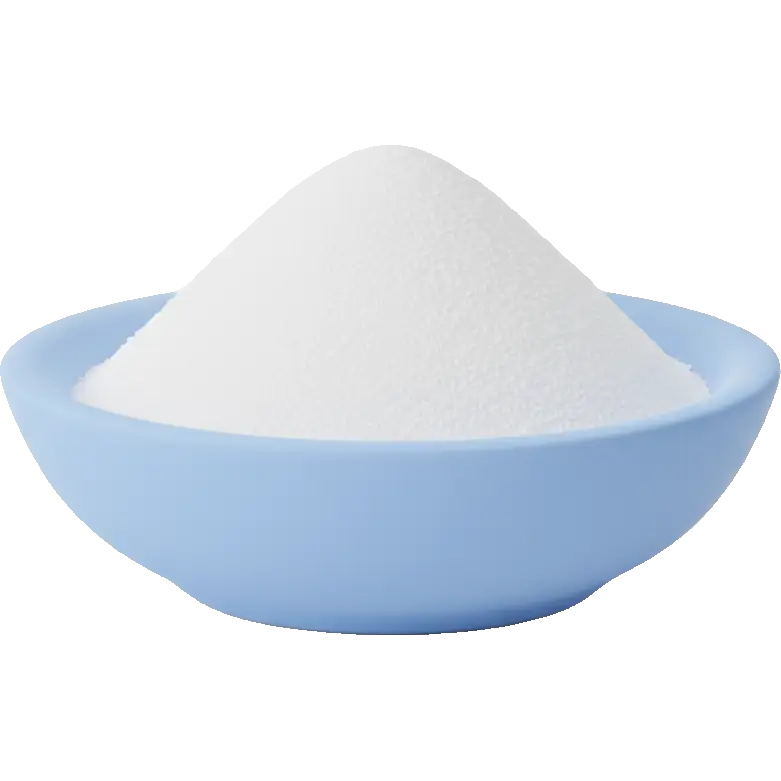
stevia
Sweeteners
Is stevia high in low fermentation?
Find out whether stevia is high or low in low fermentation, see its exact rating, and check its FODMAP, salicylate, oxalate and diet compatibility all in one place.
Related checkers
Compare stevia across criteria
Sensitivity notes
Why low fermentation food checker matters
SIBO (Small Intestinal Bacterial Overgrowth) diets focus on reducing fermentable foods that feed bacteria in the small intestine. Low-fermentation foods help manage symptoms like bloating, gas, and abdominal discomfort.
- Low-fermentation eating reduces food for overgrown bacteria
- Meal spacing (4-5 hours) allows the MMC to clear the gut
- Avoid grazing - structured meals are better
Serving size, prep, and portion notes for stevia
Stevia is an intense sweetener made from steviol glycosides, the sweet compounds isolated from the Stevia rebaudiana leaf. It is clean on nearly every food chemistry trigger we track: histamine A, histamine liberator A, nickel A, sulfite A, glutamate A and, importantly, polyols A, because stevia is not a sugar alcohol and therefore not a polyol FODMAP the way erythritol, xylitol and sorbitol are. Salicylate and oxalate are unrated for it, so we make no claim either way there. Where it does grade badly is low fermentation SIBO at E, since steviol glycosides are broken down by colonic bacteria rather than absorbed intact in the small intestine. The other half of the story is the packet itself. Most retail stevia is only a few percent steviol glycoside by weight, bulked out with erythritol, dextrose or maltodextrin, and that bulking agent is very often what is actually causing the bloating people blame on stevia.
Watch for
Low fermentation SIBO grades E, so if you are managing SIBO or fermentation driven bloating this is the one column where stevia performs poorly / Read the ingredient list, not the front of the pack. A sachet or spoonable stevia is mostly bulking agent, and erythritol is a polyol that our data grades E on polyols while pure stevia grades A / The bitter or liquorice like aftertaste comes from which steviol glycosides were used: rebaudioside A and stevioside carry more of it than the newer minor glycosides, so two stevia products can taste quite different / Overall FODMAP grade sits at B rather than A, which reflects the blended commercial products more than the glycosides themselves / Anti inflammatory grades E and paleo or AIP grades E, so it is a diet compatibility note rather than a chemical trigger



Explore related in Sweeteners
Compare similar foods to build a personalized list of swaps that work for your system.



Low Fermentation Guide
Everything you need to know about low fermentation sensitivity and smart food choices.
SIBO (Small Intestinal Bacterial Overgrowth) diets focus on reducing fermentable foods that feed bacteria in the small intestine. Low-fermentation foods help manage symptoms like bloating, gas, and abdominal discomfort.
Sensitivity varies widely. What triggers one person may be fine for another. Track your reactions to find your personal threshold.
These foods are generally well-tolerated for Low Fermentation sensitivity:
View all safe options







These foods have moderate levels and may be tolerated in small amounts:






These foods are high in low fermentation and may trigger symptoms:
View full list






If you're sensitive to Low Fermentation, consider these strategies:
- 1Low-fermentation eating reduces food for overgrown bacteria
- 2Meal spacing (4-5 hours) allows the MMC to clear the gut
- 3Avoid grazing - structured meals are better
- 4Some find the elemental diet helpful under medical supervision
- 5Address underlying causes with your healthcare provider
Pro tip: Keep a food diary to track your reactions. The Triggerbites app makes this easy with automatic pattern detection.
Want personalized tracking?
Download Triggerbites to log meals, track symptoms, and discover your unique triggers.
Get the AppFAQ
Is stevia high in Low Fermentation?
Low Fermentation: higher signal - consider smaller servings or swaps.
Can I still eat stevia if I'm sensitive to Low Fermentation?
Best to avoid or test carefully with a small amount.
What else should I check?
Check Inflammation, Paleo AIP, and Mediterranean next for a fuller picture.