Why 'healthy' foods sometimes make you feel worse
A food can be genuinely nutritious and still be a genuine trigger for you. Those are two different questions.
You did the thing you were supposed to do. You cleaned up your diet - more vegetables, more fruit, beans instead of meat, a green smoothie in the morning, maybe some kombucha or yogurt "for your gut." You braced for feeling lighter, clearer, better.
Instead you feel worse. Bloated by mid-morning, gassy, heavy, a bit foggy. The week you ate the worst is the week your stomach was quietest, which feels almost insulting.
It is baffling, and it feels deeply unfair. You did nothing wrong, and this is not in your head. It points at something nearly all healthy-eating advice leaves out.
Quick summary
- "Healthy" rates a food's nutrition for the average person. It says nothing about the natural compounds the food carries - or about your gut.
- Many of the highest-FODMAP foods - onion, garlic, apple, beans, wheat - are exactly the ones you're told to eat more of.1
- Other "good for you" categories carry their own load: histamine in fermented foods, salicylates across fruit and veg, oxalates in spinach and nuts.
- How you eat them matters as much as which - raw, blended and all-at-once stacks the load.
- The fix is personalising healthy eating: which foods, what portion, prepared how.
"Healthy" and "well-tolerated" answer two different questions
Any food has two completely separate sets of properties. One is its nutritional value - vitamins, minerals, fibre, antioxidants, protein. The other is its compound load - the FODMAPs, histamine, salicylates, oxalates and other natural chemicals it happens to carry.
"Healthy" is a verdict on the first set, and it is a population-level average. It says nothing about the second set, and nothing about how your particular gut handles it. So a food can be genuinely, unarguably nutritious and a genuine trigger for you - both at once. Those two facts don't contradict each other. They are simply answers to two different questions: "is this good fuel for a human body?" and "does my gut tolerate this, today, in this amount?"
Most people have only ever been told the answer to the first. This article is about the second.
The biggest culprit: healthy eating raises your FODMAP load
If "eating better" backfired on you, FODMAPs are the most likely reason.
FODMAPs are fermentable carbohydrates - Fermentable Oligosaccharides, Disaccharides, Monosaccharides And Polyols. In sensitive people they do two things: they draw water into the small intestine, and they are fermented by gut bacteria into gas. The result is the classic picture - bloating, distension, wind, cramping and altered bowel habits.1
Many of the highest-FODMAP foods on earth are precisely the ones a "clean up your diet" plan tells you to eat more of:2
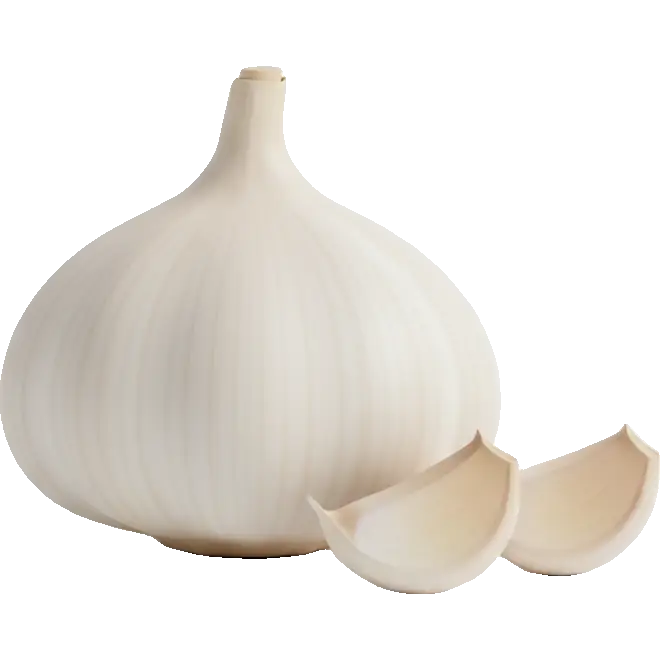
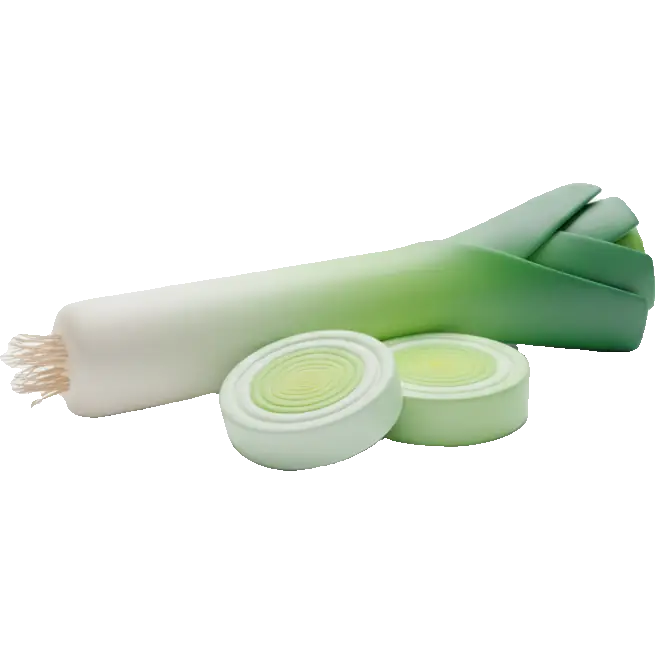
- More vegetables → onion, garlic, leek, cauliflower, broccoli, asparagus, mushrooms. Onion and garlic are high-FODMAP in any amount.
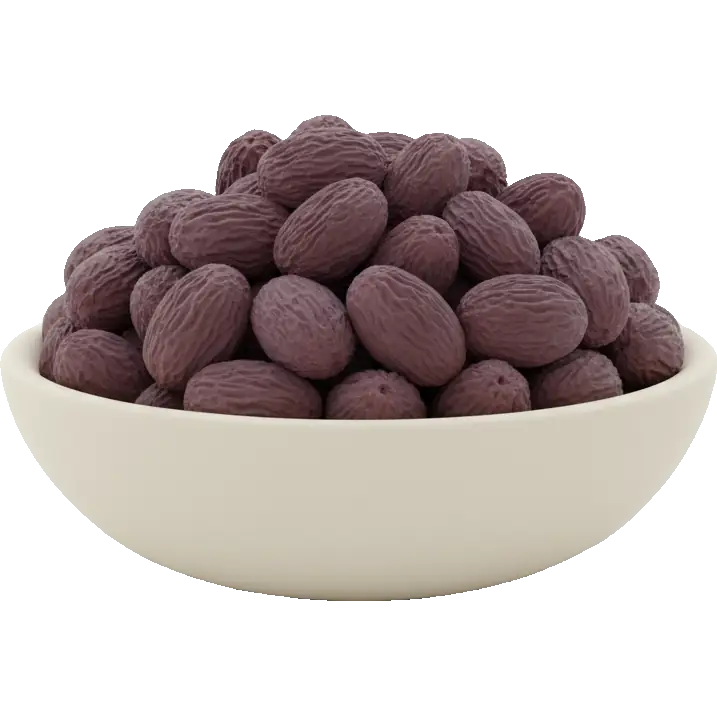
- More fruit → apple, pear, mango, watermelon, stone fruit, and dried fruit like dates and raisins.
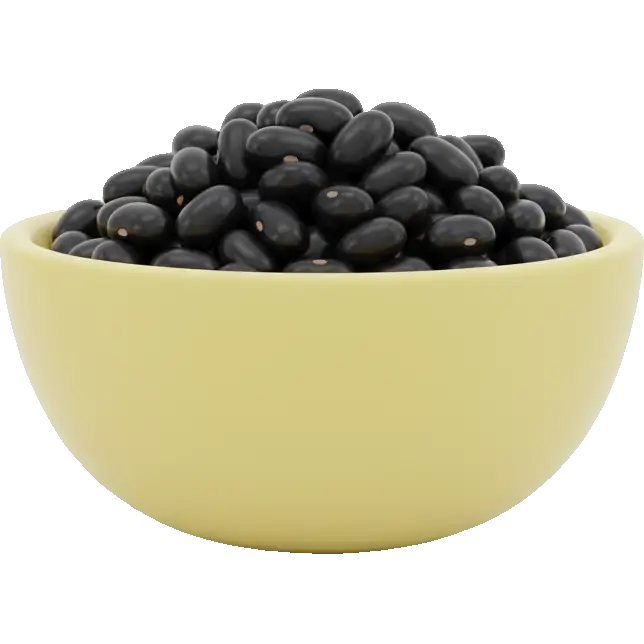
- More legumes → red kidney beans, black beans, baked beans, split peas, chickpeas, lentils.
- More whole grains → wheat, the single most common everyday source of fructans.
So "I started eating healthier" can mean "I sharply increased my fermentable-carb intake," without you choosing that or knowing it happened.
It shows up in real-world data. When people with IBS are surveyed about which foods set off their symptoms, the list is led by exactly these foods: in one large survey, the great majority reported symptoms from common foods, with beans, lentils, onion, cabbage and apple among the items most frequently blamed.3 Those are not junk foods. They are the cover of a healthy-eating cookbook.
(For the full picture, see high-FODMAP foods to watch.)
The fibre jump
There is a close cousin of the FODMAP problem: fibre, increased too fast.
Fibre is genuinely good for the gut. But the dose curve matters, and the type matters - and healthy-eating advice almost never mentions either.
Going from a low-fibre diet to a high-fibre one overnight hands your gut bacteria a sudden flood of material to ferment, and fermentation produces gas - hydrogen, carbon dioxide, methane. The outcome is bloating, distension and cramping in the first few weeks.4 The advice "eat more fibre" is sound, and following it all at once on day one is what backfires.
The kind of fibre matters too. Short-chain, highly fermentable fibres (the inulin and oligosaccharides added to "high-fibre" bars, wraps and yogurts, and naturally abundant in chicory root, onion and beans) ferment fast and produce gas quickly. Longer-chain, more viscous fibres like psyllium ferment slowly and tend to cause far fewer gas symptoms.4 "Add fibre" covers several different instructions, and they do not feel the same.
The encouraging part: this one largely resolves with patience. A gradual build-up - small increases spread over weeks, with enough water - lets your gut microbiome shift to handle the new load, and the early bloating usually settles as it does.
How you eat it matters as much as what you eat
Two meals can contain the identical "healthy" ingredients and land completely differently, because preparation and pace change the compound load that actually reaches your gut.
Raw versus cooked. Cooking does part of your digesting for you - heat breaks down plant cell walls and softens fibre, so the food arrives in a gentler form.5 This is why many people who bloat badly on raw broccoli, cauliflower or cabbage handle the same vegetables, cooked, with no trouble. A giant raw salad and a tray of roasted vegetables are not nutritionally identical, but they are nowhere near as different as they will feel. The big raw salad is often the most "virtuous" meal of someone's week and the one that wrecks them.
Blended and drunk fast. A whole apple takes effort and time to eat; that pace is, in effect, built-in portion control. Blend three fruits into a smoothie and you can drink several portions in ninety seconds, with nothing to slow them down. Juicing goes further - it strips out the fibre but concentrates the fructose, and excess fructose is itself poorly absorbed and fermented, causing gas, bloating and loose stool in susceptible people.6
The "clean eating" smoothie, as a worked example. Apple, mango, a couple of dates, a big handful of spinach, almond milk, a scoop of seeds. It looks like the photograph of health. Chemically, it is also excess fructose, several different FODMAPs, a serving of oxalate and some histamine-active foods - blended into one cold glass and drunk in under two minutes. Nothing about it is "bad." It is simply a stack of compounds, taken all at once, in the way most likely to overwhelm a sensitive gut.
The other compounds hiding in "good for you" foods
FODMAPs and fibre are the biggest factors, but they are not the only ones. Several other prized-for-health categories carry compounds of their own.
Histamine. The fermented foods marketed hardest for "gut health" - sauerkraut, kimchi, kombucha, kefir, aged yogurt - are, by the nature of fermentation, among the higher-histamine foods there are: the bacteria that do the fermenting also generate histamine, and the longer the ferment, the more accumulates.7 Avocado, spinach and tomato are naturally amine-rich, and citrus and strawberries can prompt the body to release its own histamine. All thoroughly "healthy" foods; all potentially a problem for someone whose capacity to break histamine down is limited. (See high-histamine foods to watch.)
Salicylates. These are plant-defence chemicals, and they are concentrated in fruits, vegetables, and especially herbs and spices - by weight, dried herbs and spices carry the highest concentrations of all.8 "Eat the rainbow" and "add more herbs and spices" are also, unavoidably, "eat considerably more salicylate." For most people that is fine. For someone with salicylate sensitivity it is a slow-building load.
Oxalates. Spinach, almonds, chia seeds, beetroot, sweet potato and Swiss chard - health-food staples to a one - are among the highest-oxalate foods there are. Ordinary amounts are not a concern for most people. But "healthy eating" sometimes tips into mega-dosing a single food, and that is where it can matter: there are documented cases of people developing kidney problems after taking up very large daily quantities of almonds, chia seeds or leafy greens, sometimes adopted specifically to improve their health.9 It is the clearest example of the whole pattern - a genuinely nutritious food, eaten with the best intentions, in a dose that didn't suit the person.
A reference table: the food, the compound, the catch



















Every food above is a legitimately nutritious choice. Here is why each can still cause trouble for some people:
| "Healthy" food | Rich in | Why it can backfire |
|---|---|---|
| Onion, garlic, leek | Fructans (FODMAP) | Fermented in the colon → gas and bloating; high-FODMAP at any serving |
| Apple, pear, mango, watermelon | Excess fructose, sorbitol (FODMAP) | Draw water into the bowel and ferment → cramping, loose stool |
| Beans, lentils, chickpeas | GOS (FODMAP) | Humans lack the enzyme to digest GOS → it all ferments → wind |
| Cauliflower, broccoli, mushrooms | Mannitol, raffinose | Poorly absorbed sugars and sugar-alcohols → gas, especially raw |
| Sauerkraut, kimchi, kombucha, kefir | Histamine | Built up by fermenting bacteria → flushing, headache, hives if sensitive |
| Avocado, spinach, tomato | Histamine and amines | Naturally amine-rich; add to the day's histamine load |
| Berries, herbs, spices, colourful veg | Salicylates | Plant-defence chemicals → pseudo-allergic reactions if sensitive |
| Spinach, almonds, chia, beetroot | Oxalates | A concern mainly at very high, concentrated, sustained intakes |
Keep the vegetables
These foods are nutritious, that is real, and most of them can be tolerated by most people most of the time. Retreating to white toast would be the wrong lesson to take from this.
For a sensitive gut, "healthy" needs personalising. The questions that decide how you feel are: which healthy foods, in what portion, prepared how (cooked is often gentler than raw), built up how gradually, and combined with what else. Those are dose and threshold problems - and dose and threshold problems have levers. (More on that in why does the same food affect me differently?)
It also explains a frustration a lot of people recognise: that an elimination diet or a "clean" reset can make them feel worse before anything improves, simply because the reset loaded in more fermentable food. That is not failure - it is the same mechanism, and it is worth knowing before you start. (See why elimination diets fail.)
I went vegan and "clean" for my gut and spent three months more bloated than I'd ever been. I was sure I was just doing it wrong. Tracking showed it plainly: onion, garlic, beans and a daily smoothie, every single day. The same foods, cooked, spaced out and in smaller amounts - completely fine.
Finding your pattern
Because a "healthy" food can be a trigger for you and not for the next person, a generic list cannot tell you much. Only your own pattern can. The things worth tracking:
- Which "healthy" foods preceded symptoms - and their likely compound load (FODMAP, histamine, salicylate, oxalate).
- The portion - a small serving and a large serving of the same food are, for threshold effects, two different things.
- The preparation - raw or cooked, whole or blended, juiced or eaten.
- The combinations - smoothies and big mixed salads stack several compounds into one sitting, so that is usually where trouble concentrates.
- The ramp - did symptoms begin right when you increased fibre or "cleaned up" the diet? Timing is a strong clue.
A trigger that depends on portion, preparation and pace is a workable problem. You are not choosing between health and comfort - you are finding the version of healthy eating that your gut actually tolerates.
Where Triggerbites fits in
When healthy food makes you feel worse, the instinct is to give up and eat blandly. There is a better option: find out which healthy foods, and how much.
You log meals and symptoms in plain language, and Triggerbites extracts the ingredients, tags the compounds - FODMAPs, histamine, salicylates, oxalates and more - and correlates them with how you feel across the delayed time windows that matter. Instead of abandoning healthy eating wholesale, you keep the foods that suit you and adjust the few that don't.
It takes seconds a day, and it shows whether things are trending better or worse over time - a clear, concrete picture you can also share with a doctor. Most of all, it lets you eat well and feel well, which should never have been a contradiction.






Triggerbites Features
- Log your day in 30 seconds: Text, voice or photo. Log as you go, or recap it all in the evening.
- Your food, broken down: Meals become ingredients and sensitivity profiles: histamine, salicylates, FODMAPs, allergens, and even the additives on packaged food.
- Everything in the same journal: Symptoms, supplements, sleep, stress, exercise and mood, beside what you ate.
- See what repeats over time: Patterns between what you eat and how you feel, including delayed reactions that show up days later.
For related reading, see high-FODMAP foods to watch and why does the same food affect me differently?
Live, love, log. 🧡
References
- 1
- 2
- 3U.S. National Library of Medicine (PMC) "Efficiency of diet change in irritable bowel syndrome", 2018PMC
- 4Molecular Medicine Reports (PubMed) "Dietary fiber in irritable bowel syndrome (Review)", 2017PubMed
- 5U.S. National Library of Medicine (PMC) "Impact of Cooking Techniques on the Dietary Fiber Profile in Selected Cruciferous Vegetables", 2025PMC
- 6U.S. National Library of Medicine (PMC) "Is Fructose Malabsorption a Cause of Irritable Bowel Syndrome?", 2016PMC
- 7
- 8Deutsches Arzteblatt International (PMC) "Salicylate Intolerance: Pathophysiology, Clinical Spectrum, Diagnosis and Treatment", 2008PMC
- 9U.S. National Library of Medicine (PMC) "Diet-induced oxalate nephropathy from excessive nut and seed consumption", 2020PMC
 PMC
PMCArticle References and Citations
- Frontiers in Medicine (PMC): "FODMAPs - Do they really affect IBS symptoms?", 2023 - https://www.ncbi.nlm.nih.gov/pmc/articles/PMC10017764/
- Monash University: "About FODMAPs and IBS" - https://www.monashfodmap.com/about-fodmap-and-ibs/
- U.S. National Library of Medicine (PMC): "Efficiency of diet change in irritable bowel syndrome", 2018 - https://pmc.ncbi.nlm.nih.gov/articles/PMC6259499/
- Molecular Medicine Reports (PubMed): "Dietary fiber in irritable bowel syndrome (Review)", 2017 - https://pubmed.ncbi.nlm.nih.gov/28731144/
- U.S. National Library of Medicine (PMC): "Impact of Cooking Techniques on the Dietary Fiber Profile in Selected Cruciferous Vegetables", 2025 - https://www.ncbi.nlm.nih.gov/pmc/articles/PMC11821131/
- U.S. National Library of Medicine (PMC): "Is Fructose Malabsorption a Cause of Irritable Bowel Syndrome?", 2016 - https://pmc.ncbi.nlm.nih.gov/articles/PMC4729202/
- U.S. National Library of Medicine (PMC): "Food Intolerance: The Role of Histamine", 2021 - https://www.ncbi.nlm.nih.gov/pmc/articles/PMC8469513/
- Deutsches Arzteblatt International (PMC): "Salicylate Intolerance: Pathophysiology, Clinical Spectrum, Diagnosis and Treatment", 2008 - https://www.ncbi.nlm.nih.gov/pmc/articles/PMC2696737/
- U.S. National Library of Medicine (PMC): "Diet-induced oxalate nephropathy from excessive nut and seed consumption", 2020 - https://pmc.ncbi.nlm.nih.gov/articles/PMC7705561/