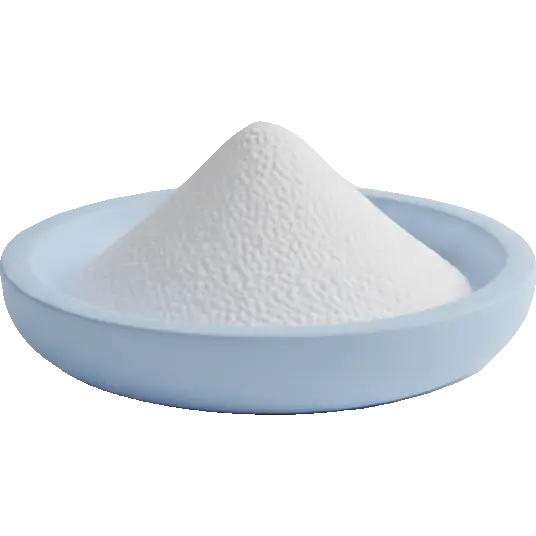
mannitol
Sweeteners
Is mannitol high in polyols?
Is mannitol high or low in polyols? See its exact rating, how much counts as a portion, and its FODMAP, salicylate, oxalate and diet compatibility in one place.
Related checkers
Compare mannitol across criteria
Sensitivity notes
Why polyols food checker matters
Polyols (sugar alcohols) are found naturally in some fruits and vegetables, and are used as artificial sweeteners. They're poorly absorbed and can cause digestive symptoms, especially in IBS sufferers.
- Avoid sugar-free products with sorbitol, mannitol, xylitol, maltitol
- Stone fruits are naturally high in polyols
- Cooking doesn't reduce polyol content
- Avocado portion size matters - small amounts may be fine
- Cauliflower and mushrooms are common triggers
What to know about mannitol
Mannitol is graded high FODMAP and high polyol in our data, and it is the polyol most people eat without ever hearing its name. Monash keeps sorbitol and mannitol apart because the food lists barely overlap: sorbitol belongs to stone fruit, apples and pears, while mannitol is the one in mushrooms, cauliflower, celery and snow peas, plus the E421 dusted onto sugar-free gum and pressed into tablets. Our data collapses both into a single polyols column, so a high polyols grade on this page means mannitol specifically. On everything else it is clean: no histamine, no salicylate, no oxalate, no gluten, no lactose, no free glutamate. The malabsorption is the entire story.
Watch for
- Graded high on FODMAPs and polyols.Only part of a mannitol dose is absorbed in the small intestine, so the remainder drags water into the bowel and then ferments in the colon: bloating, cramping and loose stools within hours.
- This is the polyol behind mushrooms, cauliflower, celery and snow peas.People who fail a cauliflower or mushroom challenge on a low FODMAP reintroduction are usually reacting to mannitol, not to fructans.
- US labels must carry the statement "Excess consumption may have a laxative effect" when foreseeable daily intake reaches 20 grams of mannitol (21 CFR 180.25).Treat that as a regulatory floor, not a personal threshold: sensitive guts react well below it.
- Graded poorly for SIBO fermentation.Anything that reaches the colon undigested feeds an overgrown small intestine on the way, and mannitol is fermentable by definition.
- Scan for E421 rather than the word mannitol.It also appears as an anticaking agent and as a filler in medicines and supplements, which is an easy hidden dose to miss when you are logging food only.


Explore related in Sweeteners
Compare similar foods to build a personalized list of swaps that work for your system.
Polyols Guide
Everything you need to know about polyols sensitivity and smart food choices.
Polyols (sugar alcohols) are found naturally in some fruits and vegetables, and are used as artificial sweeteners. They're poorly absorbed and can cause digestive symptoms, especially in IBS sufferers.
Sensitivity varies widely. What triggers one person may be fine for another. Track your reactions to find your personal threshold.
These foods are generally well-tolerated for Polyols sensitivity:
View all safe options






These foods have moderate levels and may be tolerated in small amounts:




These foods are high in polyols and may trigger symptoms:
View full list



If you're sensitive to Polyols, consider these strategies:
- 1Avoid sugar-free products with sorbitol, mannitol, xylitol, maltitol
- 2Stone fruits are naturally high in polyols
- 3Cooking doesn't reduce polyol content
- 4Avocado portion size matters - small amounts may be fine
- 5Cauliflower and mushrooms are common triggers
Pro tip: Keep a food diary to track your reactions. The Triggerbites app makes this easy with automatic pattern detection.
Want personalized tracking?
Download Triggerbites to log meals, track symptoms, and discover your unique triggers.
Get the AppFAQ
Is mannitol high in Polyols?
Polyols: higher signal - consider smaller servings or swaps.
Can I still eat mannitol if I'm sensitive to Polyols?
Best to avoid or test carefully with a small amount.
What else should I check?
Check FODMAPs, Low Fermentation, and AIP next for a fuller picture.