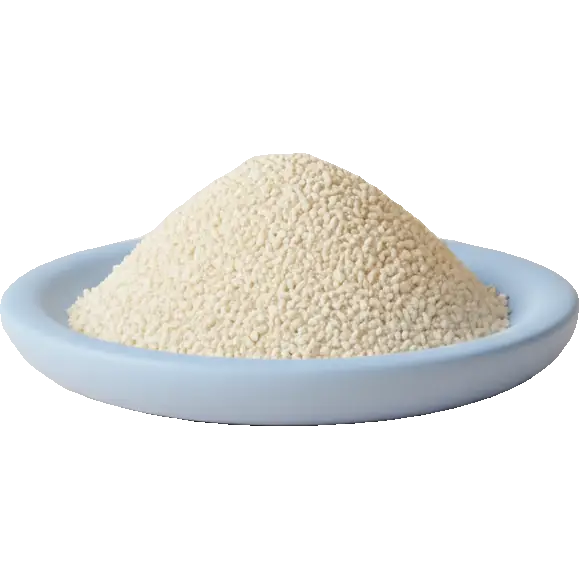
lactitol
Sweeteners
Is lactitol high in polyols?
Is lactitol high or low in polyols? See its exact rating, how much counts as a portion, and its FODMAP, salicylate, oxalate and diet compatibility in one place.
Related checkers
Compare lactitol across criteria
Sensitivity notes
Why polyols food checker matters
Polyols (sugar alcohols) are found naturally in some fruits and vegetables, and are used as artificial sweeteners. They're poorly absorbed and can cause digestive symptoms, especially in IBS sufferers.
- Avoid sugar-free products with sorbitol, mannitol, xylitol, maltitol
- Stone fruits are naturally high in polyols
- Cooking doesn't reduce polyol content
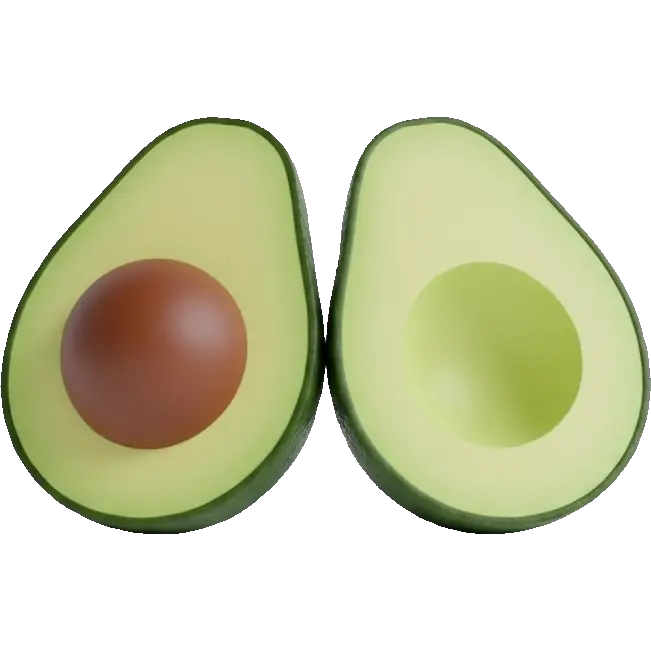
- Avocado portion size matters - small amounts may be fine
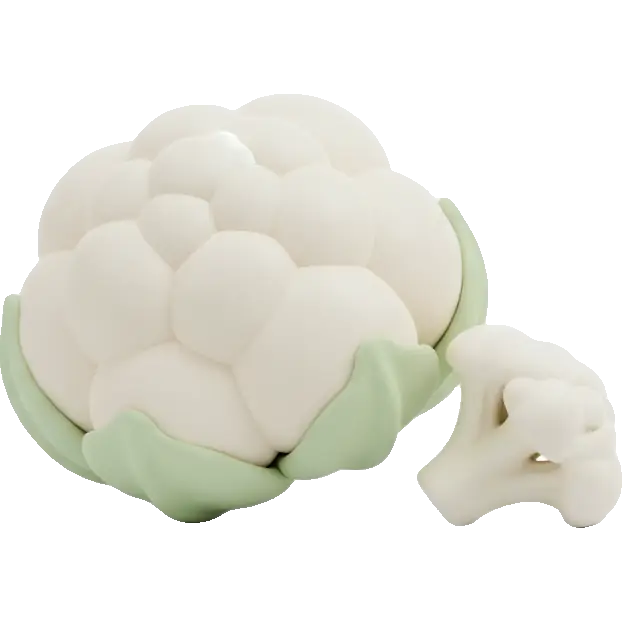
- Cauliflower and mushrooms are common triggers
What to know about lactitol
Lactitol is made by hydrogenating lactose, and the name puts people off for the wrong reason. It contains no lactose. Our data grades it clean on lactose and clean on dairy protein, and EU law agrees: lactitol is one of the very few milk-derived ingredients specifically exempted from allergen declaration under Regulation 1169/2011. What it actually is, is a polyol, graded high FODMAP and high polyol. It is potent enough that a 20 gram dose is licensed as a prescription laxative for chronic constipation. That is the honest dose response for anyone eating sugar-free chocolate or baked goods: the amount that treats constipation is the amount that can hide in an afternoon of snacking.
Watch for
- Graded high on FODMAPs and polyols.No human enzyme splits the bond, so lactitol arrives in the colon whole, holds water osmotically and then gets fermented.
- The dose response is unusually well documented because lactitol is a licensed medicine.Around 20 grams a day is the therapeutic laxative dose for chronic idiopathic constipation, so several sugar-free sweets or a large bar of sugar-free chocolate is not a trivial amount.
- It carries no lactose and no milk protein, so lactose intolerance and cow milk protein allergy are not the mechanism.If lactitol bothers you, it is the polyol doing it, not the dairy origin.
- Graded poorly for SIBO fermentation, which matters more than the raw dose if you have small intestinal bacterial overgrowth.
- It is still milk-derived in origin even though it needs no allergen declaration.Strict vegans and people avoiding all dairy-sourced ingredients on principle will want to know that, because the label will not tell them.


Explore related in Sweeteners
Compare similar foods to build a personalized list of swaps that work for your system.
Polyols Guide
Everything you need to know about polyols sensitivity and smart food choices.
Polyols (sugar alcohols) are found naturally in some fruits and vegetables, and are used as artificial sweeteners. They're poorly absorbed and can cause digestive symptoms, especially in IBS sufferers.
Sensitivity varies widely. What triggers one person may be fine for another. Track your reactions to find your personal threshold.
These foods are generally well-tolerated for Polyols sensitivity:
View all safe options






These foods have moderate levels and may be tolerated in small amounts:





These foods are high in polyols and may trigger symptoms:
View full list


If you're sensitive to Polyols, consider these strategies:
- 1Avoid sugar-free products with sorbitol, mannitol, xylitol, maltitol
- 2Stone fruits are naturally high in polyols
- 3Cooking doesn't reduce polyol content
- 4Avocado portion size matters - small amounts may be fine
- 5Cauliflower and mushrooms are common triggers
Pro tip: Keep a food diary to track your reactions. The Triggerbites app makes this easy with automatic pattern detection.
Want personalized tracking?
Download Triggerbites to log meals, track symptoms, and discover your unique triggers.
Get the AppFAQ
Is lactitol high in Polyols?
Polyols: higher signal - consider smaller servings or swaps.
Can I still eat lactitol if I'm sensitive to Polyols?
Best to avoid or test carefully with a small amount.
What else should I check?
Check FODMAPs, Low Fermentation, and Vegan next for a fuller picture.