
isomalt
Sweeteners
Is isomalt high in polyols?
Is isomalt high or low in polyols? See its exact rating, how much counts as a portion, and its FODMAP, salicylate, oxalate and diet compatibility in one place.
Related checkers
Compare isomalt across criteria
Sensitivity notes
Why polyols food checker matters
Polyols (sugar alcohols) are found naturally in some fruits and vegetables, and are used as artificial sweeteners. They're poorly absorbed and can cause digestive symptoms, especially in IBS sufferers.
- Avoid sugar-free products with sorbitol, mannitol, xylitol, maltitol
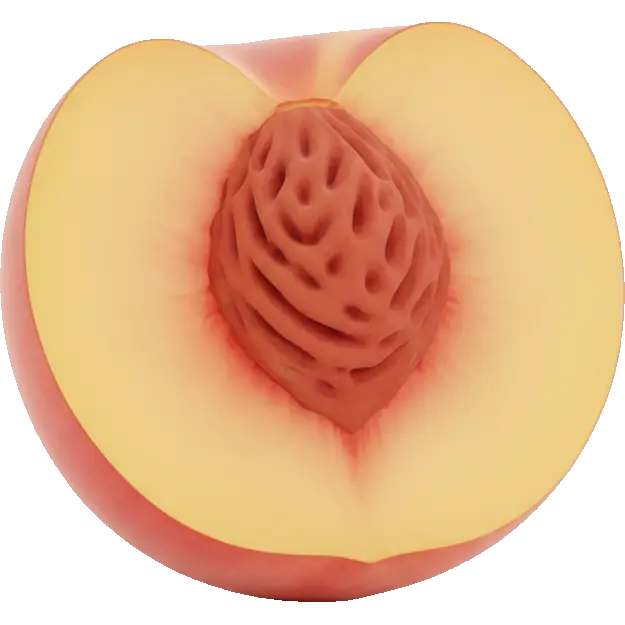
- Stone fruits are naturally high in polyols
- Cooking doesn't reduce polyol content
- Avocado portion size matters - small amounts may be fine
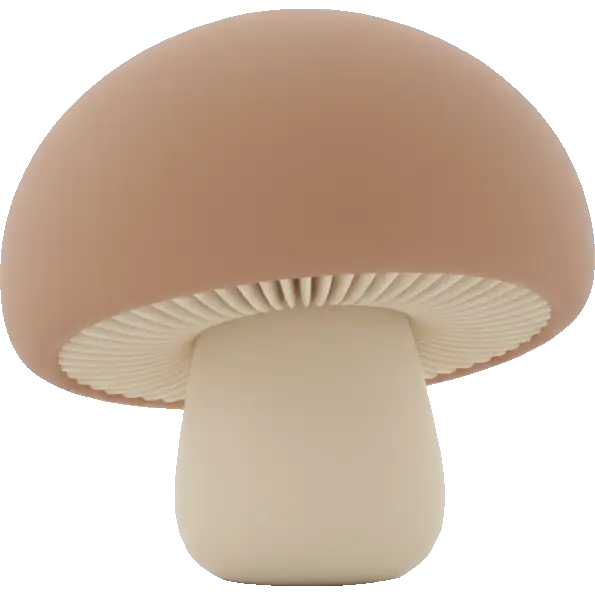
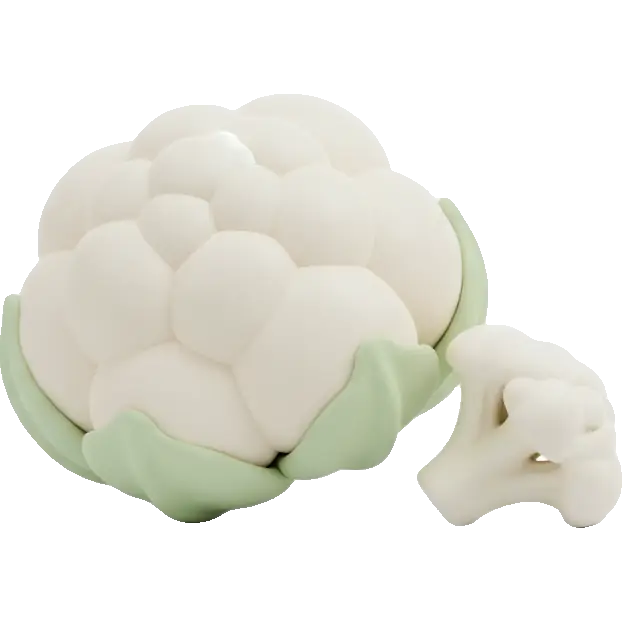
- Cauliflower and mushrooms are common triggers
What to know about isomalt
Isomalt (E953) starts life as ordinary table sugar. Manufacturers split the sucrose enzymatically and hydrogenate the halves, ending up with a roughly equal mix of two disaccharide alcohols. That structure is exactly why pastry chefs prize it: isomalt barely picks up moisture from the air and resists recrystallising, so pulled and blown sugar showpieces stay glassy for days and hard candy stays clear instead of going sticky. It is also why our data grades it high FODMAP and high polyol. Human digestive enzymes cannot cleave the hydrogenated bond, so most of a dose walks straight into the colon. Everything else on this page is clean: no gluten, no lactose, no dairy protein, no histamine, no salicylates, no oxalate.
Watch for
- Graded high on FODMAPs and polyols.Isomalt is largely indigestible by design, which is the point for calorie labelling and the problem for your gut.
- Sugar-free hard candy, mints, lozenges and cough drops are the usual dose, and they are deceptively easy to overshoot because each piece looks trivial.
- EU labelling requires a warning that excessive consumption may produce laxative effects on any food containing more than 10 percent polyols.A sugar-free boiled sweet is often almost entirely polyol.
- Graded poorly for SIBO fermentation, since anything that reaches the lower gut intact is substrate for bacteria that should not be there.
- Oral bacteria cannot ferment isomalt, which is why it is sold as tooth-friendly and carries a genuine dental claim.That tells you nothing about how the rest of your digestive tract will handle it.


Explore related in Sweeteners
Compare similar foods to build a personalized list of swaps that work for your system.
Polyols Guide
Everything you need to know about polyols sensitivity and smart food choices.
Polyols (sugar alcohols) are found naturally in some fruits and vegetables, and are used as artificial sweeteners. They're poorly absorbed and can cause digestive symptoms, especially in IBS sufferers.
Sensitivity varies widely. What triggers one person may be fine for another. Track your reactions to find your personal threshold.
These foods are generally well-tolerated for Polyols sensitivity:
View all safe options






These foods have moderate levels and may be tolerated in small amounts:



These foods are high in polyols and may trigger symptoms:
View full list

If you're sensitive to Polyols, consider these strategies:
- 1Avoid sugar-free products with sorbitol, mannitol, xylitol, maltitol
- 2Stone fruits are naturally high in polyols
- 3Cooking doesn't reduce polyol content
- 4Avocado portion size matters - small amounts may be fine
- 5Cauliflower and mushrooms are common triggers
Pro tip: Keep a food diary to track your reactions. The Triggerbites app makes this easy with automatic pattern detection.
Want personalized tracking?
Download Triggerbites to log meals, track symptoms, and discover your unique triggers.
Get the AppFAQ
Is isomalt high in Polyols?
Polyols: higher signal - consider smaller servings or swaps.
Can I still eat isomalt if I'm sensitive to Polyols?
Best to avoid or test carefully with a small amount.
What else should I check?
Check FODMAPs, Low Fermentation, and AIP next for a fuller picture.