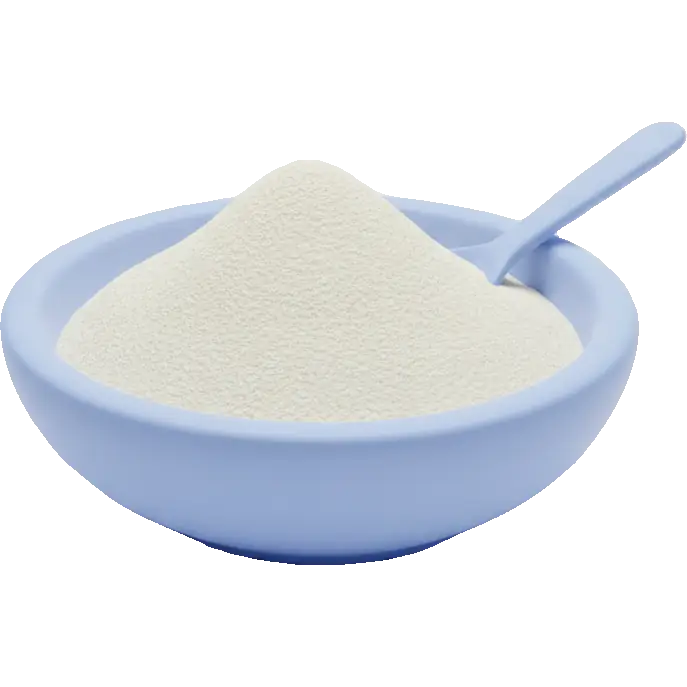
monk fruit extract
Sweeteners
Is monk fruit extract inflammation-compatible?
See whether monk fruit extract fits a inflammation diet, with a clear compatible-or-avoid verdict plus its FODMAP, histamine and other trigger ratings in one place.
Related checkers
Compare monk fruit extract across criteria
Sensitivity notes
Why inflammation diet checker matters
An anti-inflammatory diet focuses on foods that help reduce chronic inflammation in the body. It emphasizes fruits, vegetables, fatty fish, nuts, and whole grains while limiting processed foods, refined sugars, and certain oils.
- Focus on omega-3 rich foods like fatty fish, walnuts, and flaxseed
- Colorful fruits and vegetables provide anti-inflammatory antioxidants
- Extra virgin olive oil is a cornerstone of anti-inflammatory eating
Serving size, prep, and portion notes for monk fruit extract
Monk fruit extract sweetens through mogrosides, not sugar. These are triterpene glycosides concentrated from the luo han guo fruit that hit the sweet receptor at roughly 150 to 250 times the intensity of table sugar while contributing essentially nothing to the sugar load. The pure extract grades A on almost everything tracked here, including polyols, SIBO fermentability, nickel, histamine, salicylates, oxalate, sulfites and glutamates, with a single B on total FODMAPs. The genuinely useful fact is what is in the packet. Retail monk fruit sweetener is mostly bulking agent by weight, and the extract is often well under one percent of it, so a reaction pinned on monk fruit is usually a reaction to whatever is doing the bulking.
Watch for
Read the ingredient order before you blame the fruit. If erythritol or allulose is listed first, that is what you are mostly eating by weight, and the volume of that bulking agent is what decides how your gut responds / Total FODMAPs are graded B on the pure extract, which is the only non-A mark. No individual FODMAP group is flagged: fructans, GOS, excess fructose and polyols all grade A / Baking blends often carry maltodextrin as the carrier, which is a rapidly digested starch rather than a sweetener, so a "zero sugar" blend can still move blood sugar / The aftertaste is the extract, not a reaction. Mogrosides come on slowly and linger, and people describe the finish as fruity, cooling or faintly medicinal. That sensation is not evidence of intolerance / Fruit-flavoured drinks and protein powders sweetened with monk fruit almost always pair it with something else. Whatever else is on that label is the more likely culprit






Explore related in Sweeteners
Compare similar foods to build a personalized list of swaps that work for your system.


Inflammation Guide
Everything you need to know about inflammation compatibility and smart food choices.
An anti-inflammatory diet focuses on foods that help reduce chronic inflammation in the body. It emphasizes fruits, vegetables, fatty fish, nuts, and whole grains while limiting processed foods, refined sugars, and certain oils.
These foods are typically compatible with a Inflammation approach:
View all safe options





Practical guidance for following a Inflammation diet:
- 1Focus on omega-3 rich foods like fatty fish, walnuts, and flaxseed
- 2Colorful fruits and vegetables provide anti-inflammatory antioxidants
- 3Extra virgin olive oil is a cornerstone of anti-inflammatory eating
- 4Limit refined sugars, processed foods, and industrial seed oils
- 5Turmeric and ginger are powerful anti-inflammatory spices
Pro tip: Keep a food diary to track your reactions. The Triggerbites app makes this easy with automatic pattern detection.
Want personalized tracking?
Download Triggerbites to log meals, track symptoms, and discover your unique triggers.
Get the AppFAQ
Does monk fruit extract fit a Inflammation diet?
Inflammation: mixed fit - check ingredients.
What if I eat it occasionally?
Keep portions small and verify ingredients.
What are safer swaps?
Compare within the Sweeteners group.