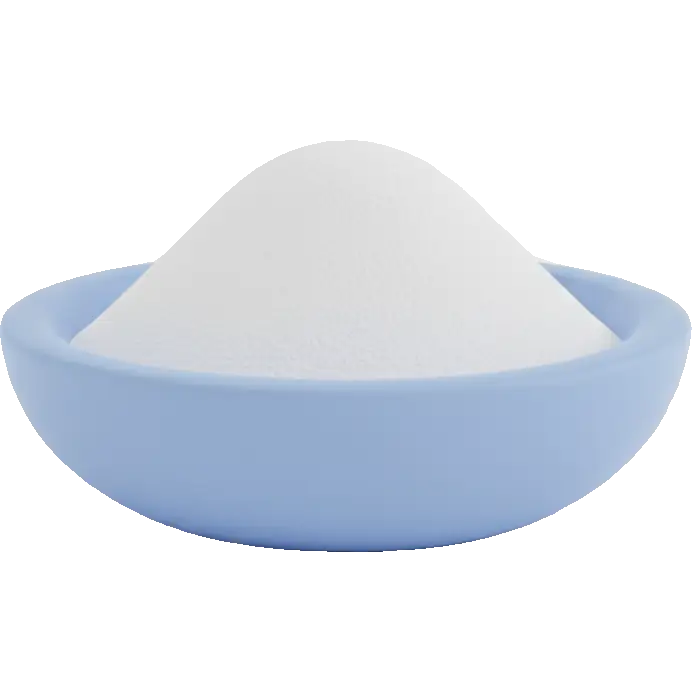
sorbitol
Sweeteners
Is sorbitol mediterranean-compatible?
See whether sorbitol fits a mediterranean diet, with a clear compatible-or-avoid verdict plus its FODMAP, histamine and other trigger ratings in one place.
Related checkers
Compare sorbitol across criteria
Sensitivity notes
Why mediterranean diet checker matters
The Mediterranean diet is based on traditional foods from countries bordering the Mediterranean Sea. It emphasizes olive oil, fish, vegetables, whole grains, and moderate wine consumption while limiting red meat and processed foods.
- Make olive oil your primary fat source
- Eat fish at least twice per week
- Enjoy meals with family and friends - it's part of the lifestyle
- Red wine in moderation (optional) with meals
- Limit red meat to a few times per month
What to know about sorbitol
Sorbitol (E420) is graded E for polyols and D on FODMAPs overall, and it is one of only two polyols that FODMAP guidance names individually rather than lumping into a group. The part most people miss is that sorbitol is not only an additive. It occurs naturally in stone fruit and pome fruit: prunes, plums, apples, pears, cherries, peaches and apricots all carry it, which is precisely why prunes have their laxative reputation. Cutting sugar-free gum and mints therefore does not necessarily cut your sorbitol load. On the chemical triggers sorbitol is quiet, graded A for histamine, histamine liberation, tyramine, sulfite, nickel, glutamates, gluten and lactose. The problem is osmotic and fermentative, not immune, and it is graded E for low fermentation SIBO protocols.
Watch for
- Polyols E, the top of the scale.Sorbitol is absorbed slowly and incompletely in the small intestine, so it pulls water into the gut and then ferments in the colon. Bloating, wind, cramping and loose stools a few hours after the dose are the classic pattern
- Fruit counts.Prunes, apples, pears, cherries, plums, apricots, peaches and blackberries all contain sorbitol naturally, so a week with no sugar-free products can still be a high-sorbitol week
- It stacks with fructose.A food that carries sorbitol and excess fructose together, like an apple or a pear, is a harder test than sugar-free gum, and reacting to one does not tell you which of the two did it
- Low fermentation SIBO E, so sorbitol is a poor fit if you are working through a low fermentation protocol rather than a standard low FODMAP one
- It travels with its relatives.Sorbitol appears on panels beside maltitol, mannitol, isomalt and lactitol in the same sugar-free products, so logging one name alone can badly undercount the polyol dose you actually took




Explore related in Sweeteners
Compare similar foods to build a personalized list of swaps that work for your system.

Mediterranean Guide
Everything you need to know about mediterranean compatibility and smart food choices.
The Mediterranean diet is based on traditional foods from countries bordering the Mediterranean Sea. It emphasizes olive oil, fish, vegetables, whole grains, and moderate wine consumption while limiting red meat and processed foods.
These foods are typically compatible with a Mediterranean approach:
View all safe options





Practical guidance for following a Mediterranean diet:
- 1Make olive oil your primary fat source
- 2Eat fish at least twice per week
- 3Enjoy meals with family and friends - it's part of the lifestyle
- 4Red wine in moderation (optional) with meals
- 5Limit red meat to a few times per month
Pro tip: Keep a food diary to track your reactions. The Triggerbites app makes this easy with automatic pattern detection.
Want personalized tracking?
Download Triggerbites to log meals, track symptoms, and discover your unique triggers.
Get the AppFAQ
Does sorbitol fit a mediterranean diet?
Mediterranean: no rating yet.
What if I eat it occasionally?
No rating yet - check ingredients and test.
What are safer swaps?
Compare within the Sweeteners group.