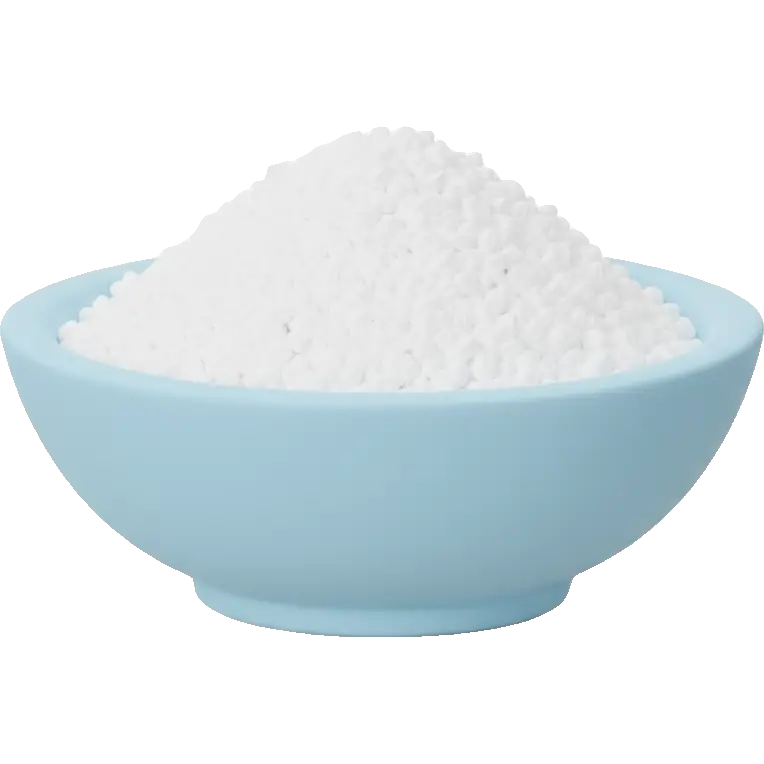
xylitol
Sweeteners
Is xylitol vegan-compatible?
See whether xylitol fits a vegan diet, with a clear compatible-or-avoid verdict plus its FODMAP, histamine and other trigger ratings in one place.
Related checkers
Compare xylitol across criteria
Sensitivity notes
Why vegan diet checker matters
A vegan diet excludes all animal products including meat, dairy, eggs, and honey. It focuses on plant-based foods like vegetables, fruits, grains, legumes, nuts, and seeds.
- Ensure adequate protein from varied plant sources
- Supplement B12 - it's essential and not available from plants
- Consider omega-3 from algae-based supplements
- Iron from plants requires vitamin C for better absorption
- Plan meals to ensure complete amino acid profiles
What to know about xylitol
Xylitol (E967, sold in some markets as birch sugar) is graded E for polyols and D on FODMAPs overall, so for a sensitive gut it carries the usual sugar-alcohol load: osmotic water into the bowel, then fermentation. Two things genuinely set it apart from the rest of the sweetener shelf. It is severely toxic to dogs at doses a household pet can easily reach, and it has real dental evidence behind it, because oral bacteria cannot ferment it into acid. That second point is why xylitol turns up in pharmacy chewing gum, toothpaste and mouthwash rather than only in diet food. On the chemical sensitivities it is clean, graded A for histamine, histamine liberation, tyramine, sulfite, nickel, glutamates, gluten, lactose and dairy protein.
Watch for
- Dangerous to dogs.Xylitol triggers a rapid insulin release in dogs, causing a sharp drop in blood sugar within roughly half an hour, and larger doses can cause acute liver failure. Sugar-free gum, mints, some peanut butters and some toothpastes are the usual household sources. This is a veterinary emergency, not a wait-and-see
- Polyols E and low fermentation SIBO E.Dose-dependent bloating, wind and laxation are the human side effect, and the amount in a few pieces of gum is enough for some people
- It hides outside the food diary.Toothpaste, mouthwash, nasal spray, chewable vitamins and liquid medicines are common xylitol carriers, so a log that only records meals can miss the exposure that explains the day
- The dental benefit is specific.It comes from xylitol itself being non-fermentable by oral bacteria, not from a product simply being sugar-free, so a different sugar-free sweetener does not automatically carry the same effect
- It is not the low-FODMAP escape from other polyols.Xylitol and sorbitol are graded identically here at polyols E, so swapping one sugar alcohol for the other changes nothing for the gut


Explore related in Sweeteners
Compare similar foods to build a personalized list of swaps that work for your system.



Vegan Guide
Everything you need to know about vegan compatibility and smart food choices.
A vegan diet excludes all animal products including meat, dairy, eggs, and honey. It focuses on plant-based foods like vegetables, fruits, grains, legumes, nuts, and seeds.
These foods are typically compatible with a Vegan approach:
View all safe options







Practical guidance for following a Vegan diet:
- 1Ensure adequate protein from varied plant sources
- 2Supplement B12 - it's essential and not available from plants
- 3Consider omega-3 from algae-based supplements
- 4Iron from plants requires vitamin C for better absorption
- 5Plan meals to ensure complete amino acid profiles
Pro tip: Keep a food diary to track your reactions. The Triggerbites app makes this easy with automatic pattern detection.
Want personalized tracking?
Download Triggerbites to log meals, track symptoms, and discover your unique triggers.
Get the AppFAQ
Does xylitol fit a vegan diet?
Vegan: no rating yet.
What if I eat it occasionally?
No rating yet - check ingredients and test.
What are safer swaps?
Compare within the Sweeteners group.