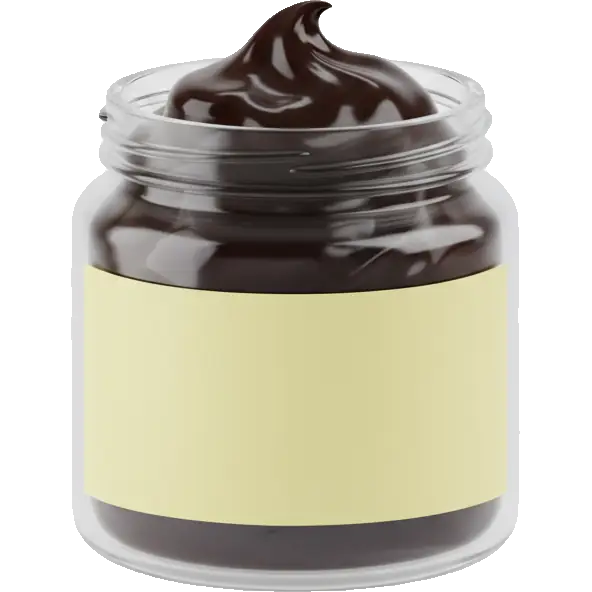
yeast extract
Additives & Leavening
Is yeast extract high in low fermentation?
Is yeast extract high or low in low fermentation? See its exact rating, how much counts as a portion, and its FODMAP, salicylate, oxalate and diet compatibility in one place.
Sensitivity notes
Why low fermentation food checker matters
SIBO (Small Intestinal Bacterial Overgrowth) diets focus on reducing fermentable foods that feed bacteria in the small intestine. Low-fermentation foods help manage symptoms like bloating, gas, and abdominal discomfort.
- Low-fermentation eating reduces food for overgrown bacteria
- Meal spacing (4-5 hours) allows the MMC to clear the gut
- Avoid grazing - structured meals are better
- Some find the elemental diet helpful under medical supervision
- Address underlying causes with your healthcare provider
What to know about yeast extract
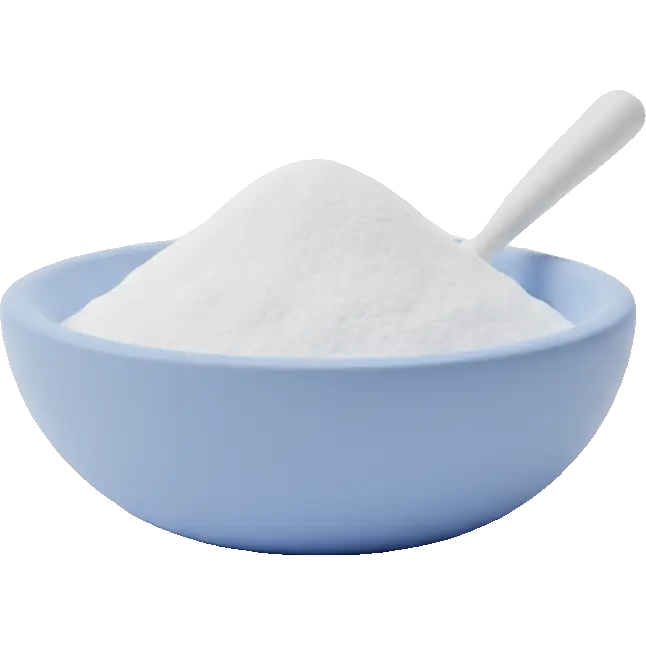
Yeast extract is yeast that has been made to digest itself. Saccharomyces cerevisiae cells are autolysed so the cell walls break and the contents spill out, and what spills out is a concentrate of free amino acids, including a great deal of free glutamic acid, plus the nucleotides that multiply savoury flavour. That is the entire point of the ingredient and it is also its trigger story: free glutamate is graded E, the single highest mark on the page, and the only E in the whole grade set. This is where yeast extract separates hard from nutritional yeast flakes, which come in at A on the same criterion. Flakes are dried whole yeast. Extract is the inside of the yeast, concentrated, and it behaves like a glutamate ingredient because chemically that is what it is. It is why food manufacturers reach for it when they want savoury depth without printing monosodium glutamate on the panel. The second grade worth knowing is gluten at C, which surprises people who think of it as a vegan pantry staple: a lot of yeast extract is made from spent brewer yeast left over from beer, and barley malt extract is a common companion ingredient. The rest reads calmer than the reputation suggests. FODMAPs are graded A, histamine and tyramine both B, sulfite A, lactose A, nickel A, fermentability for SIBO B. If you react to yeast extract, glutamate sensitivity is the first hypothesis to test, not the last.
Watch for
- Free glutamate graded E, the highest grade on this page.If added MSG is a known trigger for you, yeast extract is the same molecule arriving under a friendlier name, and it carries no E number because it is treated as an ingredient rather than an additive
- Gluten graded C.Yeast extract is frequently produced from brewer yeast recovered from barley beer, and barley malt extract often rides along in the recipe. Dedicated gluten free versions exist as separate products, so the category grade is a prompt to read the specific jar rather than a verdict on all of them
- It is mostly hiding rather than spread on toast.Stock cubes, gravy granules, instant soup, crisp seasonings, veggie burgers, savoury biscuits and plant based ready meals all use it, so a glutamate reaction can look random until you start reading the small print on savoury packets
- Salt is a huge fraction of it by weight, which is a real consideration if you are working to a sodium target, even though the amount actually eaten in one scrape is small
- Tyramine and histamine are graded B here, moderate, which is lower than its reputation.Yeast extract still appears by name on MAOI diet sheets and on migraine handouts, so if you have been given one of those lists, follow the list rather than the grade and treat this as a caution flag rather than a clearance




Explore related in Additives & Leavening
Compare similar foods to build a personalized list of swaps that work for your system.

Low Fermentation Guide
Everything you need to know about low fermentation sensitivity and smart food choices.
SIBO (Small Intestinal Bacterial Overgrowth) diets focus on reducing fermentable foods that feed bacteria in the small intestine. Low-fermentation foods help manage symptoms like bloating, gas, and abdominal discomfort.
Sensitivity varies widely. What triggers one person may be fine for another. Track your reactions to find your personal threshold.
These foods are generally well-tolerated for Low Fermentation sensitivity:
View all safe options







These foods have moderate levels and may be tolerated in small amounts:








These foods are high in low fermentation and may trigger symptoms:
View full list







If you're sensitive to Low Fermentation, consider these strategies:
- 1Low-fermentation eating reduces food for overgrown bacteria
- 2Meal spacing (4-5 hours) allows the MMC to clear the gut
- 3Avoid grazing - structured meals are better
- 4Some find the elemental diet helpful under medical supervision
- 5Address underlying causes with your healthcare provider
Pro tip: Keep a food diary to track your reactions. The Triggerbites app makes this easy with automatic pattern detection.
Want personalized tracking?
Download Triggerbites to log meals, track symptoms, and discover your unique triggers.
Get the AppFAQ
Is yeast extract high in Low Fermentation?
Low Fermentation: no rating yet.
Can I still eat yeast extract if I'm sensitive to Low Fermentation?
No rating yet - start small and log a response.
What else should I check?
Check AIP and Glutamates next for a fuller picture.