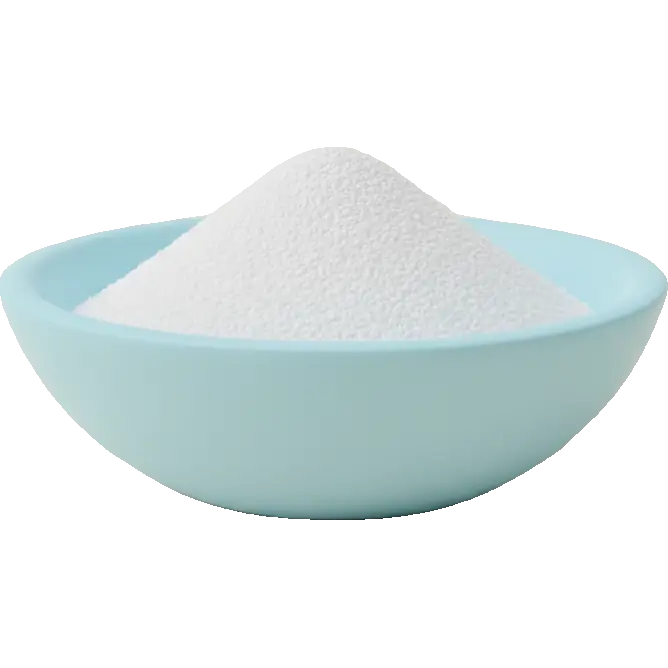
sodium benzoate
Additives & Leavening
Is sodium benzoate high in low fermentation?
Is sodium benzoate high or low in low fermentation? See its exact rating, how much counts as a portion, and its FODMAP, salicylate, oxalate and diet compatibility in one place.
Sensitivity notes
Why low fermentation food checker matters
SIBO (Small Intestinal Bacterial Overgrowth) diets focus on reducing fermentable foods that feed bacteria in the small intestine. Low-fermentation foods help manage symptoms like bloating, gas, and abdominal discomfort.
- Low-fermentation eating reduces food for overgrown bacteria
- Meal spacing (4-5 hours) allows the MMC to clear the gut
- Avoid grazing - structured meals are better
- Some find the elemental diet helpful under medical supervision
- Address underlying causes with your healthcare provider
What to know about sodium benzoate
Sodium benzoate (E211) is the preservative that keeps soft drinks, fruit juice, pickles, dressings and sauces from spoiling, and it is one of the few additives with a genuinely documented intolerance behind it. Oral challenge studies have reproduced hives and angioedema in a subset of people with chronic urticaria, which is why benzoates are pulled out on RPAH failsafe elimination diets alongside salicylates and amines. It carries no gluten, lactose or FODMAP load, so if a diet soft drink reliably sets you off, the preservative is a more plausible suspect than the sugar it replaced.
Watch for
- The clearest reported reaction is skin: benzoate challenge has provoked urticaria (hives) and angioedema in a minority of people already living with chronic urticaria.Most people eat it with no effect at all, so this is a small subset, not a general warning
- In acidic drinks that contain both benzoate and added vitamin C (ascorbic acid), trace benzene can form, more so with heat and light.Regulators surveyed this in the mid-2000s and most manufacturers reformulated, but it is the one real chemistry story attached to this additive
- Graded borderline (C) on salicylates: benzoic acid is an aromatic food acid from the same family that salicylate-restricted diets pool together, which is why failsafe protocols exclude preservative numbers 210 to 213
- Benzoic acid also occurs naturally, notably in cloudberries and cranberries and in spices like cinnamon and cloves, so a benzoate reaction can show up in foods with no additive on the label


Explore related in Additives & Leavening
Compare similar foods to build a personalized list of swaps that work for your system.

Low Fermentation Guide
Everything you need to know about low fermentation sensitivity and smart food choices.
SIBO (Small Intestinal Bacterial Overgrowth) diets focus on reducing fermentable foods that feed bacteria in the small intestine. Low-fermentation foods help manage symptoms like bloating, gas, and abdominal discomfort.
Sensitivity varies widely. What triggers one person may be fine for another. Track your reactions to find your personal threshold.
These foods are generally well-tolerated for Low Fermentation sensitivity:
View all safe options






These foods have moderate levels and may be tolerated in small amounts:








These foods are high in low fermentation and may trigger symptoms:
View full list






If you're sensitive to Low Fermentation, consider these strategies:
- 1Low-fermentation eating reduces food for overgrown bacteria
- 2Meal spacing (4-5 hours) allows the MMC to clear the gut
- 3Avoid grazing - structured meals are better
- 4Some find the elemental diet helpful under medical supervision
- 5Address underlying causes with your healthcare provider
Pro tip: Keep a food diary to track your reactions. The Triggerbites app makes this easy with automatic pattern detection.
Want personalized tracking?
Download Triggerbites to log meals, track symptoms, and discover your unique triggers.
Get the AppFAQ
Is sodium benzoate high in Low Fermentation?
Low Fermentation: no rating yet.
Can I still eat sodium benzoate if I'm sensitive to Low Fermentation?
No rating yet - start small and log a response.
What else should I check?
Check AIP and Salicylates next for a fuller picture.