Foods containing tree nuts: the complete list, and what counts as one
Peanuts are not tree nuts, and coconut usually is not either, because the category was drawn up for labelling law.
Tree nut allergy is one of the fourteen allergens European law requires on a label, and it is among the most common causes of severe reactions in adults.
It is also widely misunderstood, because "tree nuts" is a legal category built for labelling, and some of what it includes and leaves out is unexpected.
What counts as a tree nut
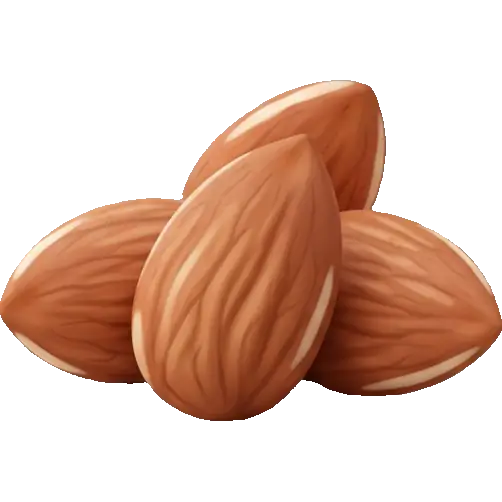
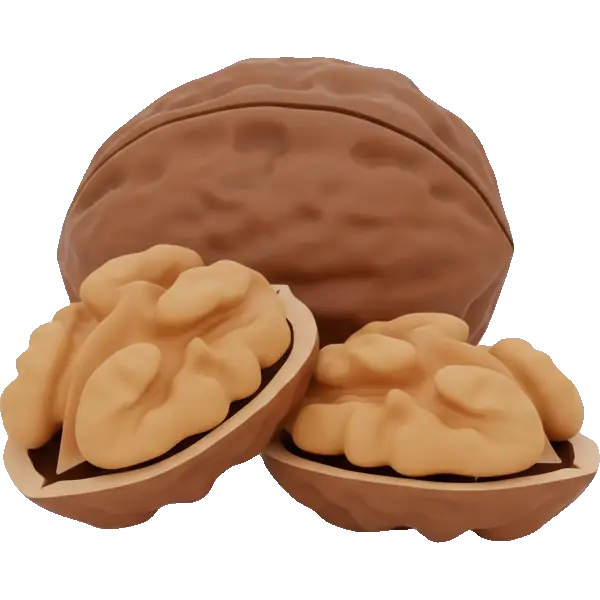
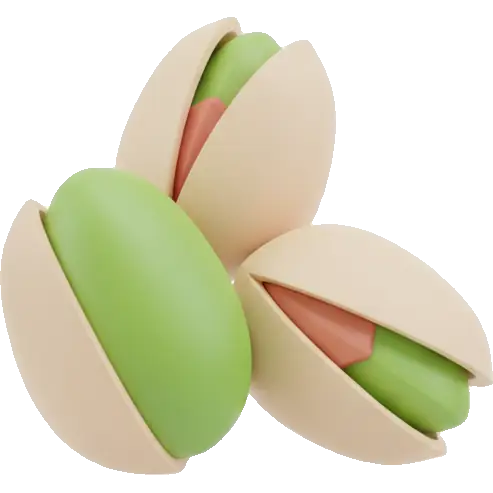
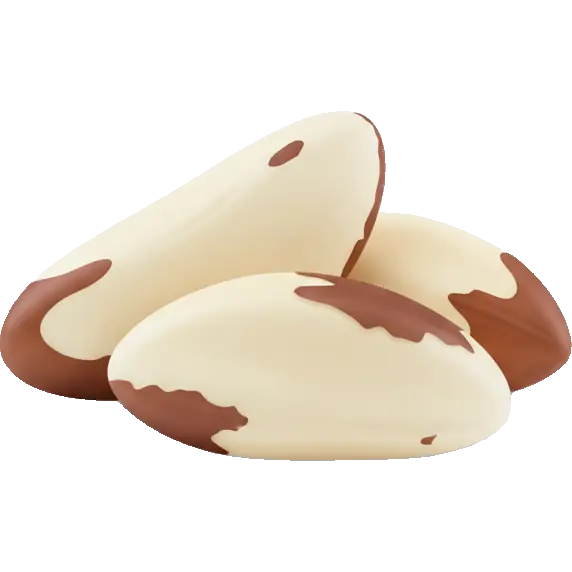
The category covers almonds, brazil nuts, cashews, hazelnuts, macadamias, pecans, pistachios, walnuts and pine nuts.
Peanuts sit outside that list entirely. They are legumes, grown underground, related to peas and beans. Peanut allergy and tree nut allergy are separate conditions, though a substantial number of people have both, which is where much of the confusion starts.
Coconut is botanically a drupe. It is classified as a tree nut for labelling purposes in the United States and not in the EU, and most people with tree nut allergy tolerate it. Nutmeg, water chestnut and shea nut are not tree nuts either.
Which nuts cross-react
Your allergist answers this for your own case. Broadly, cashew and pistachio are closely related, and reacting to one usually means reacting to the other.1 The same is true of walnut and pecan. Almond, hazelnut and brazil nut cross-react less predictably.
Many people are allergic to some tree nuts and not others. Testing individual nuts is worth doing, though many allergists advise avoiding all of them anyway because of how often nuts share equipment.
The foods most people know about
The nuts themselves, and the sweets and sauces built on them.



The complete list
Every food our database grades as containing tree nuts. Each one links to its own page.
| Food | Notes |
|---|---|
| Dark chocolateLevel: Moderate | 70%+ cocoa. Strong anti-inflammatory from flavanols. HIGH oxalate and nickel—avoid for kidney stones and SNAS. Low FODMAP at 30g. Check for hidden dairy. |
| Milk chocolateLevel: Moderate | 30-40% cocoa. Low FODMAP at 20g (lactose limiting). Lower oxalate than dark but contains dairy proteins. Watch for barley malt. High sugar offsets flavanol benefits. |
| Almond milkLevel: Avoid | Almond milk is plant-based nut milk. A dairy-free alternative from ground almonds. |
| AlmondsLevel: Avoid | Almonds are oval tree nuts with mild flavor. A versatile nut eaten whole or as flour and milk. |
| WalnutsLevel: Avoid | Walnuts are wrinkled brain-shaped nuts. A rich slightly bitter nut with earthy flavor. |
| Cashew milkLevel: Avoid | Commercial cashew milks are dilute; several are certified/considered low FODMAP around a 1‑cup (240 ml) serve. |
| PistachiosLevel: Avoid | Pistachios are green nuts in split shells. A sweet slightly savory nut with distinctive color. |
| Cashew nutsLevel: Avoid | High FODMAP (GOS/fructans). Also among higher‑nickel nuts; limit if nickel‑sensitive. |
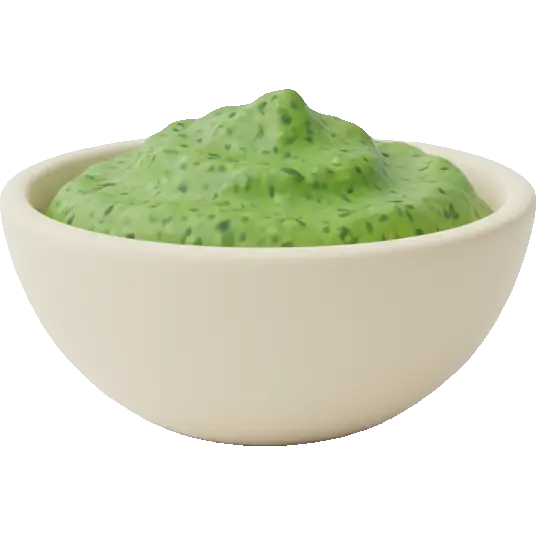
| PestoLevel: Avoid | Typically basil, garlic, pine nuts, Parmesan, and olive oil. Garlic drives FODMAPs; garlic-infused oil versions are friendlier. |
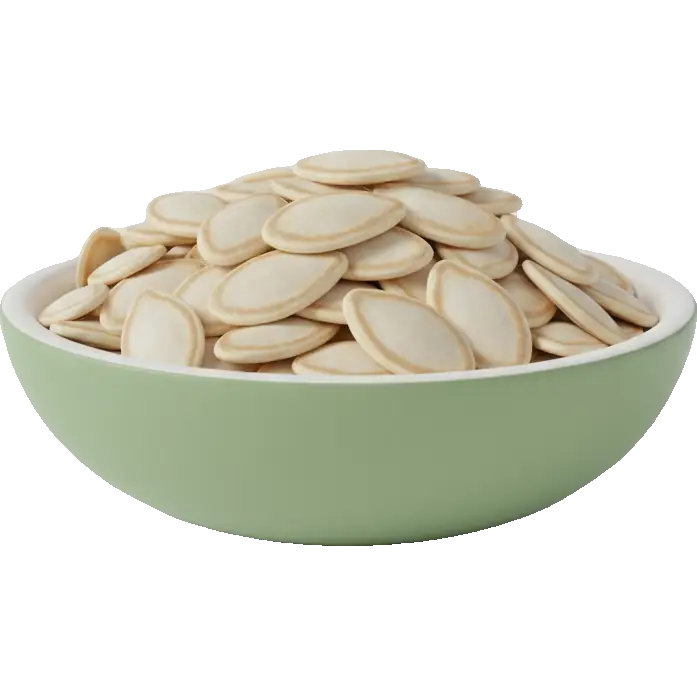
| Pumpkin seedsLevel: Moderate | Pumpkin seeds are flat green seeds from pumpkins. A nutritious seed eaten roasted as pepitas. |
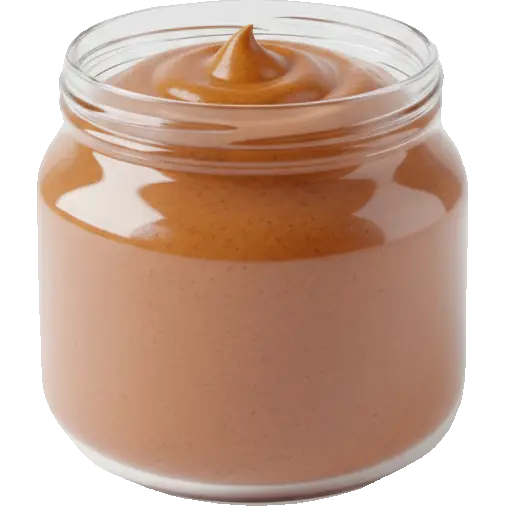
| Almond butterLevel: Avoid | Low FODMAP only in a small serve (see Monash app). Tree‑nut allergen; also naturally higher in oxalates. |
| Chia seedsLevel: Moderate | Chia seeds are tiny seeds from chia plants. A nutritious seed that forms gel when soaked. |
| TahiniLevel: Moderate | Sesame paste; low FODMAP in ~2 Tbsp serves. Higher in oxalates and nickel—watch portions. |
| Brazil nutsLevel: Avoid | Brazil nuts are large crescent-shaped nuts. A rich creamy nut from Amazon rainforest trees. |
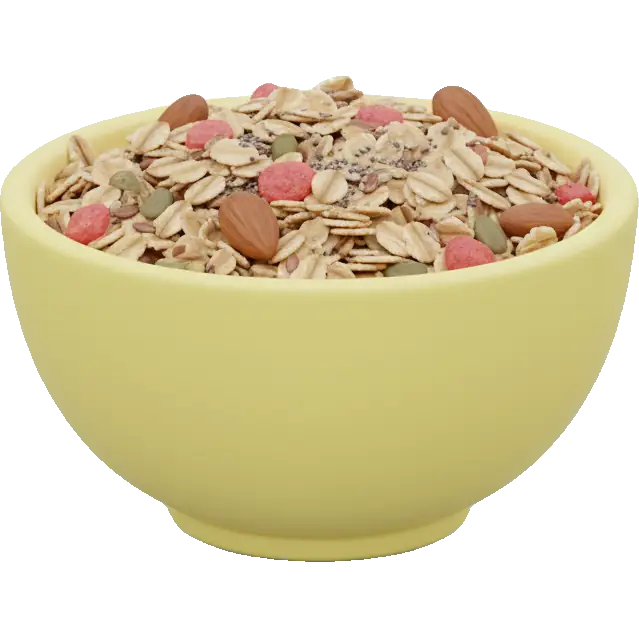
| Muesli cerealLevel: Avoid | Varies by recipe: oats + nuts + dried fruit often drive fructans/GOS/polyols; choose GF oats and low-FODMAP fruit. |
| HazelnutLevel: Avoid | Hazelnut is a round brown nut in a husk. A sweet rich nut used in chocolate and baking. |
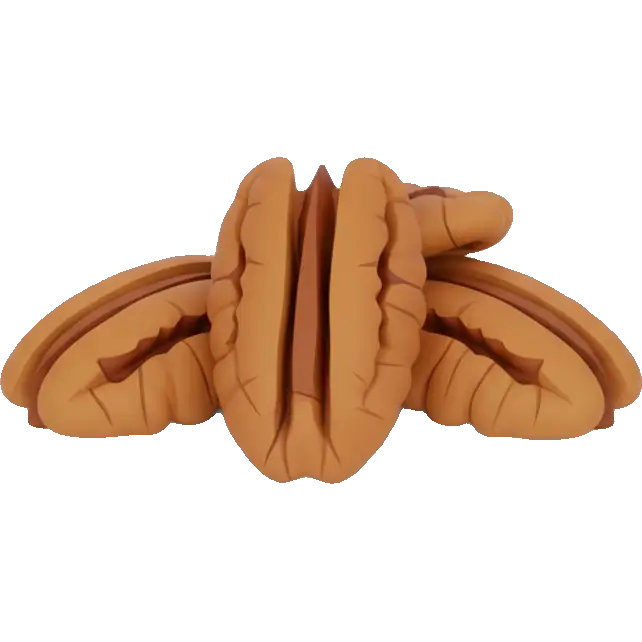
| PecansLevel: Avoid | Pecans are buttery nuts from pecan trees. A rich sweet nut native to North America. |
| Macadamia nutsLevel: Avoid | Macadamia nuts are round buttery Hawaiian nuts. A rich creamy nut with subtle sweet flavor. |
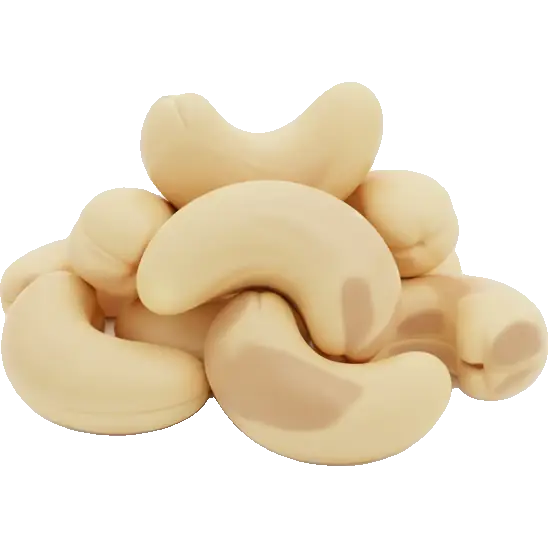
| CashewsLevel: Avoid | Cashews are curved creamy nuts. A rich buttery nut used in cooking and snacking. |
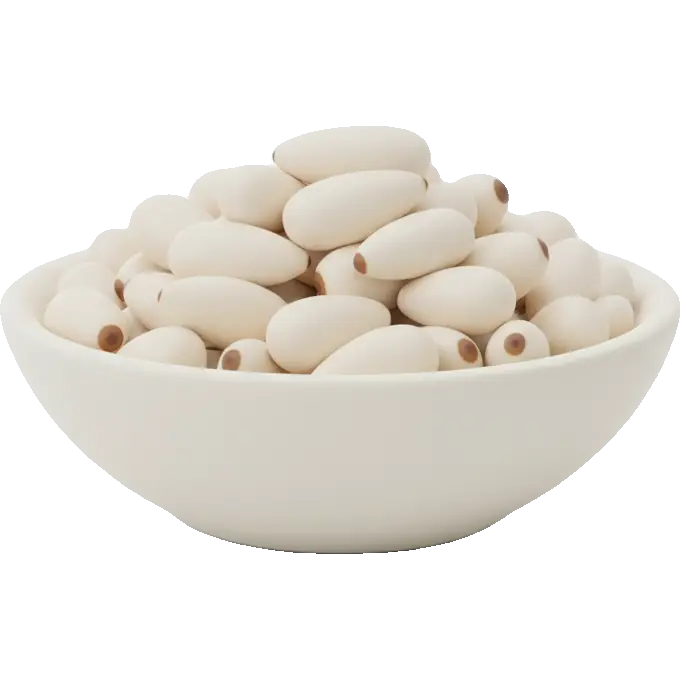
| Pine nutLevel: Avoid | Pine nut is the edible seed of pine trees. A small rich nut essential in pesto. |
| Almond yogurtLevel: Avoid | Cultured almond milk; no lactose or dairy protein; higher oxalate than dairy yogurt; tree nut allergen. |
| Pecan butterLevel: Avoid | Nut butter; small serves are low FODMAP. Choose no‑added sweeteners. |
| Hazelnut oilLevel: Avoid | Pure oil/fat contains no FODMAPs; use moderately. |
| Squash seedsLevel: Moderate | Squash seeds are edible seeds from squash. A nutritious seed similar to pumpkin seeds. |
| Walnut oilLevel: Avoid | Pure oils have no FODMAPs. Tree-nut–allergic individuals should check for refined oil and possible trace proteins. |
| Almond oilLevel: Avoid | Pure oils have no FODMAPs. Highly refined nut oils contain negligible protein (allergen) but unrefined/cold‑pressed oils can carry trace proteins—avoid if highly sensitive. |
| Brazil nut oilLevel: Avoid | Pure oil (no carbs/FODMAPs). All oils are FODMAP‑free; nutrition depends on fatty acid profile; watch total fats. |
| Cedar nutsLevel: Avoid | Also called pine nuts. Low FODMAP in small (~14 g) serves; nuts are typically higher in nickel. |
| Pistachio oilLevel: Avoid | Pure oil (no carbs → FODMAP-free). Refined oils contain negligible protein; cold-pressed may have trace pistachio proteins—caution for severe nut allergy. |






Where tree nuts hide
Marzipan and frangipane are almond. So is amaretto, and so are many almond-based biscuits that do not say so in the name.
Pesto is traditionally pine nut, though many commercial versions use cashew.
Curries and satay. Cashew thickens many Indian curries, and ground nuts appear in several sauces.
Nut butters beyond peanut. Almond, cashew and hazelnut butters are common enough now that a jar labelled nut butter could be any of them.
Vegan cheese and cream. Cashew is the base for a great many of them.
Gianduja and praline in chocolate are usually hazelnut.
Some pestos, salads and baked goods use nuts as a garnish that is easy to miss.
Cosmetics and oils. Sweet almond oil and shea butter appear in skin products. Refined nut oils are usually tolerated; cold-pressed ones are not reliably.
Cross-contact and shared equipment
Nuts are processed on shared equipment more than almost any other allergen, which is why "may contain nuts" is on so many products.
Bakeries, ice cream counters and bulk bins are the classic risks. A scoop used in a nut ice cream and then in a plain one carries enough protein to matter.
Airlines and their nut policies get a great deal of attention. The evidence that airborne nut protein causes reactions is weak. Contact with residue left on tray tables and seats is a documented route, and wiping your own space does more than any announcement.
Journal your day in 30 seconds, find your triggers.


Check any food in seconds
The tree nut checker grades any food in our database, and every food on this page links to its own page.
Where Triggerbites fits in
Triggerbites checks every product against the 14 EU allergens, tree nuts among them. Say a brand name, scan the barcode or photograph the ingredients label, and the app tells you what the product declares.
For a diagnosed nut allergy that is a shopping aid, and no label-reading tool can see cross-contact. The diary helps with the reactions that keep happening when you did everything right. You journal your day in plain words or by voice, in about 30 seconds, and say where the food came from: "a croissant from the bakery by work and a latte for breakfast, a supermarket salad and a Coke Zero for lunch, a scoop of vanilla from the ice cream counter, itchy mouth afterwards." The app pulls out every ingredient and flags the tree nuts it knows about.
When the same bakery or ice cream counter keeps turning up beside your reactions, the record has found the shared scoop. You can export it as a PDF for your allergist.




Triggerbites Features
- Log your day in 30 seconds: Text, voice or photo. Log as you go, or recap it all in the evening.
- Your food, broken down: Meals become ingredients and sensitivity profiles: histamine, salicylates, FODMAPs, allergens, and even the additives on packaged food.
- Everything in the same journal: Symptoms, supplements, sleep, stress, exercise and mood, beside what you ate.
- See what repeats over time: Patterns between what you eat and how you feel, including delayed reactions that show up days later.
Common questions
What counts as a tree nut?

Almonds, brazil nuts, cashews, hazelnuts, macadamias, pecans, pistachios, walnuts and pine nuts. Peanuts are legumes and sit outside the category. Nutmeg, water chestnut and shea nut are not tree nuts either.
Is coconut a tree nut?
Botanically it is a drupe. It is classified as a tree nut for labelling in the United States and not in the EU, and most people with tree nut allergy tolerate it. It is worth confirming with your allergist.
Which tree nuts cross-react?
Cashew and pistachio are closely related, so reacting to one usually means reacting to the other. The same is true of walnut and pecan. Almond, hazelnut and brazil nut cross-react less predictably.
Do I have to avoid all tree nuts if I react to one?
Not necessarily, and testing individual nuts is worth doing. Many allergists still advise avoiding all of them, because nuts so often share processing equipment in factories and bakeries.
Where do tree nuts hide?
Marzipan and frangipane are almond. Pesto is pine nut or cashew. Cashew thickens many Indian curries and is the base of most vegan cheese. Gianduja and praline in chocolate are hazelnut.
Is nut residue on a plane a real risk?
Contact with residue on tray tables and seats is a documented route, and wiping your own space does more than any announcement. The evidence that airborne nut protein causes reactions is much weaker than the fear suggests.
Live, love, log. 🧡
References
- 1Goetz DW, et al. "Cross-reactivity among edible nuts: double immunodiffusion, crossed immunoelectrophoresis, and human specific IgE serologic surveys" Annals of Allergy, Asthma and Immunology, 2005PubMed
 PubMed
Article References and Citations
- Goetz DW, et al.: "Cross-reactivity among edible nuts: double immunodiffusion, crossed immunoelectrophoresis, and human specific IgE serologic surveys", Annals of Allergy, Asthma and Immunology, 2005 - https://pubmed.ncbi.nlm.nih.gov/16095141/