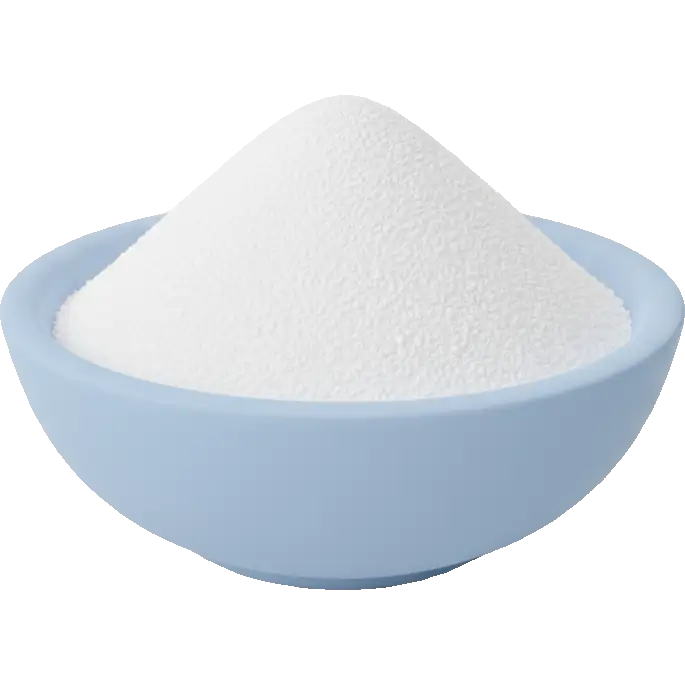
sucralose
Sweeteners
Is sucralose mediterranean-compatible?
See whether sucralose fits a mediterranean diet, with a clear compatible-or-avoid verdict plus its FODMAP, histamine and other trigger ratings in one place.
Sensitivity notes
Why mediterranean diet checker matters
The Mediterranean diet is based on traditional foods from countries bordering the Mediterranean Sea. It emphasizes olive oil, fish, vegetables, whole grains, and moderate wine consumption while limiting red meat and processed foods.
- Make olive oil your primary fat source
- Eat fish at least twice per week
- Enjoy meals with family and friends - it's part of the lifestyle
- Red wine in moderation (optional) with meals
- Limit red meat to a few times per month
What to know about sucralose
Sucralose is made by replacing three hydroxyl groups on ordinary sugar with chlorine atoms, which makes it roughly 600 times sweeter than sucrose and largely indigestible. Most of a dose passes straight through the gut, and that is why it grades clean on the classic food-chemistry triggers: no gluten, no lactose or dairy protein, no histamine, no tyramine, no sulfites, no nightshade content, and unlike the sugar alcohols it is not a polyol. Two things catch people out. Sucralose is not stable at baking temperatures, which is why some products carry a quiet warning against cooking with them. And the granulated sucralose sold in packets and bags, Splenda included, is mostly maltodextrin or dextrose by weight, which is where the calories and the blood sugar response come from. It also rates poorly on low-fermentation and SIBO protocols and sits well outside DASH and Mediterranean eating patterns.
Watch for
- Heat sensitive.Sucralose begins to degrade above roughly 120C and can form chlorinated breakdown products, and German risk assessors have advised against heating foods sweetened with it to frying or baking temperatures. That is the reason some tabletop products say they are not intended for baking.
- Packet and granulated versions are mostly bulking agent.Maltodextrin or dextrose makes up the volume, carries the calories the label rounds down to zero, and maltodextrin has a higher glycaemic index than table sugar, so heavy users can see a genuine blood sugar bump from a supposedly zero-calorie sweetener.
- Rated poorly for low-fermentation and SIBO plans, which routinely exclude non-nutritive sweeteners.If bloating started when you switched to sucralose, the bulking agent deserves as much suspicion as the sweetener itself.
- Rated pro-inflammatory and a poor fit for DASH and Mediterranean patterns, both of which push you toward reducing sweetness rather than swapping one intense sweetener for another.
- Clean on gluten, dairy, histamine, tyramine and sulfites, so when a diet drink reliably bothers you it is worth reading past the sweetener to the acids, colours and preservatives in the same can.




Explore related in Sweeteners
Compare similar foods to build a personalized list of swaps that work for your system.

Mediterranean Guide
Everything you need to know about mediterranean compatibility and smart food choices.
The Mediterranean diet is based on traditional foods from countries bordering the Mediterranean Sea. It emphasizes olive oil, fish, vegetables, whole grains, and moderate wine consumption while limiting red meat and processed foods.
These foods are typically compatible with a Mediterranean approach:
View all safe options





Practical guidance for following a Mediterranean diet:
- 1Make olive oil your primary fat source
- 2Eat fish at least twice per week
- 3Enjoy meals with family and friends - it's part of the lifestyle
- 4Red wine in moderation (optional) with meals
- 5Limit red meat to a few times per month
Pro tip: Keep a food diary to track your reactions. The Triggerbites app makes this easy with automatic pattern detection.
Want personalized tracking?
Download Triggerbites to log meals, track symptoms, and discover your unique triggers.
Get the AppFAQ
Does sucralose fit a mediterranean diet?
Mediterranean: no rating yet.
What if I eat it occasionally?
No rating yet - check ingredients and test.
What are safer swaps?
Compare within the Sweeteners group.