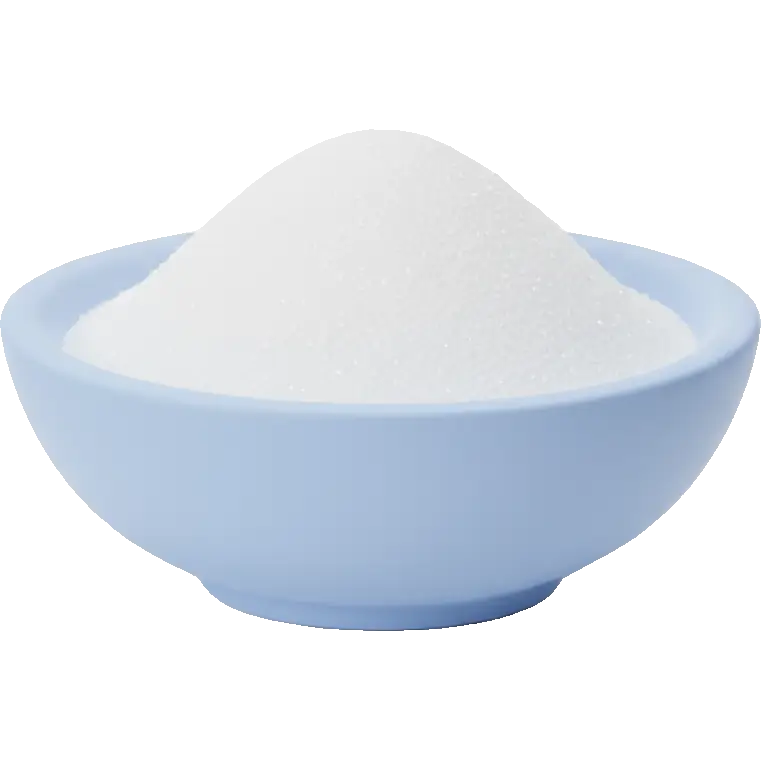
neotame
Sweeteners
Is neotame mediterranean-compatible?
See whether neotame fits a mediterranean diet, with a clear compatible-or-avoid verdict plus its FODMAP, histamine and other trigger ratings in one place.
Sensitivity notes
Why mediterranean diet checker matters
The Mediterranean diet is based on traditional foods from countries bordering the Mediterranean Sea. It emphasizes olive oil, fish, vegetables, whole grains, and moderate wine consumption while limiting red meat and processed foods.
- Make olive oil your primary fat source
- Eat fish at least twice per week
- Enjoy meals with family and friends - it's part of the lifestyle
- Red wine in moderation (optional) with meals
- Limit red meat to a few times per month
Sensitivities
What neotame contains
Additives
Diet fit
Where neotame fits
Therapeutic diets
What to know about neotame
Neotame is a chemically modified aspartame, and the modification is the entire point. Attaching a neohexyl group to the aspartame molecule does two things: it makes the sweetener roughly forty times sweeter again, putting it somewhere between seven and thirteen thousand times the sweetness of sugar, and it blocks the enzymes that would normally split the molecule and release phenylalanine. That second effect is why neotame, unlike aspartame, carries no phenylketonuria warning. It grades clean on every trigger column we track, which is unsurprising for a compound used at fractions of a milligram per serving.
Watch for
- It grades clean on every food chemistry column, and at realistic doses there is very little substance present to react to.A serving contributes microgram to low milligram quantities.
- The anti inflammatory and paleo grades are diet-pattern judgements about refined sweeteners as a class, not statements that neotame does anything inflammatory.
- It is almost never the only sweetener in a product.Neotame is usually blended with bulking agents, and in a tabletop or baking blend the bulk carrier, often erythritol, maltodextrin or lactose, is far more likely to cause symptoms than the neotame.
- Being aspartame derived, it is worth knowing for anyone who reports reacting to aspartame, even though the mechanism people usually cite for aspartame, phenylalanine release, does not apply here.
- The regulatory picture is settled but the acceptable daily intakes differ: the FDA set 0.3 mg per kg of body weight and EFSA set 2 mg per kg, and normal use sits far below either.




Explore related in Sweeteners
Compare similar foods to build a personalized list of swaps that work for your system.


Mediterranean Guide
Everything you need to know about mediterranean compatibility and smart food choices.
The Mediterranean diet is based on traditional foods from countries bordering the Mediterranean Sea. It emphasizes olive oil, fish, vegetables, whole grains, and moderate wine consumption while limiting red meat and processed foods.
These foods are typically compatible with a Mediterranean approach:
View all safe options





Practical guidance for following a Mediterranean diet:
- 1Make olive oil your primary fat source
- 2Eat fish at least twice per week
- 3Enjoy meals with family and friends - it's part of the lifestyle
- 4Red wine in moderation (optional) with meals
- 5Limit red meat to a few times per month
Pro tip: Keep a food diary to track your reactions. The Triggerbites app makes this easy with automatic pattern detection.
Want personalized tracking?
Download Triggerbites to log meals, track symptoms, and discover your unique triggers.
Get the AppFAQ
Does neotame fit a mediterranean diet?
Mediterranean: no rating yet.
What if I eat it occasionally?
No rating yet - check ingredients and test.
What are safer swaps?
Compare within the Sweeteners group.