
allulose
Sweeteners
Is allulose mediterranean-compatible?
See whether allulose fits a mediterranean diet, with a clear compatible-or-avoid verdict plus its FODMAP, histamine and other trigger ratings in one place.
Sensitivity notes
Why mediterranean diet checker matters
The Mediterranean diet is based on traditional foods from countries bordering the Mediterranean Sea. It emphasizes olive oil, fish, vegetables, whole grains, and moderate wine consumption while limiting red meat and processed foods.
- Make olive oil your primary fat source
- Eat fish at least twice per week
- Enjoy meals with family and friends - it's part of the lifestyle
- Red wine in moderation (optional) with meals
- Limit red meat to a few times per month
Sensitivities
What allulose contains
Additives
Diet fit
Where allulose fits
Therapeutic diets
What to know about allulose
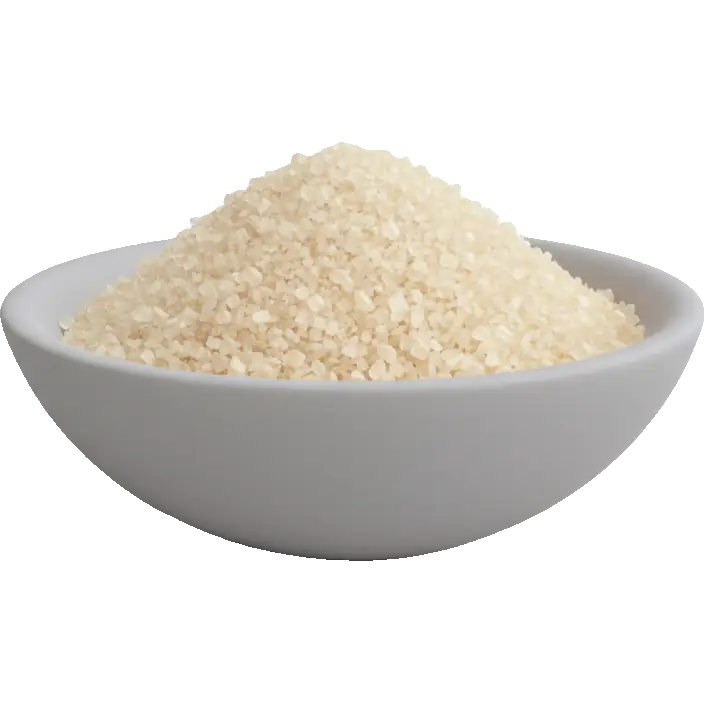
Allulose is a rare sugar (D-psicose, the C-3 epimer of fructose) that occurs naturally in trace amounts in figs, raisins, jackfruit and maple syrup, and it is one of the few sweeteners with a genuinely clean trigger profile: no histamine, no salicylates, no lactose or gluten, no nickel or sulfites, and it is not a FODMAP. It is also not a sugar alcohol, which is the point most people get wrong. Where erythritol and sorbitol are polyols that arrive in the colon largely undigested, allulose is absorbed in the small intestine and then excreted in urine almost unchanged, so far less of it reaches your gut bacteria. It still has a dose ceiling, and outside the US it is harder to find than you would expect.
Watch for
- It has a real dose threshold.Tolerance testing put the maximum single dose at about 0.4 g per kg of body weight and the maximum daily intake at about 0.9 g per kg, with severe diarrhoea appearing at 0.5 g per kg in one sitting. For a 70 kg adult that is roughly 28 g at once, which a generous slice of allulose-sweetened dessert can reach.
- Overshooting looks like bloating, abdominal pain, nausea and loose stools.This is the unabsorbed fraction working osmotically, which is also why it is graded poorly on the low-fermentation SIBO column despite being fine on FODMAPs.
- You cannot buy it in the EU or UK.Allulose is an unauthorised novel food there, and in June 2025 EFSA closed its assessment saying safety could not be established because the applicant did not supply the requested data on identity, production, genotoxicity and human studies. That is a paperwork outcome, not a finding of harm, and new dossiers are in progress.
- US labels handle it oddly.Since 2019 the FDA has allowed allulose to be left out of the total sugars and added sugars lines while still counting in total carbohydrate, so a product can read 0 g sugar and still contain a substantial amount of it.






Explore related in Sweeteners
Compare similar foods to build a personalized list of swaps that work for your system.


Mediterranean Guide
Everything you need to know about mediterranean compatibility and smart food choices.
The Mediterranean diet is based on traditional foods from countries bordering the Mediterranean Sea. It emphasizes olive oil, fish, vegetables, whole grains, and moderate wine consumption while limiting red meat and processed foods.
These foods are typically compatible with a Mediterranean approach:
View all safe options





Practical guidance for following a Mediterranean diet:
- 1Make olive oil your primary fat source
- 2Eat fish at least twice per week
- 3Enjoy meals with family and friends - it's part of the lifestyle
- 4Red wine in moderation (optional) with meals
- 5Limit red meat to a few times per month
Pro tip: Keep a food diary to track your reactions. The Triggerbites app makes this easy with automatic pattern detection.
Want personalized tracking?
Download Triggerbites to log meals, track symptoms, and discover your unique triggers.
Get the AppFAQ
Does allulose fit a mediterranean diet?
Mediterranean: no rating yet.
What if I eat it occasionally?
No rating yet - check ingredients and test.
What are safer swaps?
Compare within the Sweeteners group.