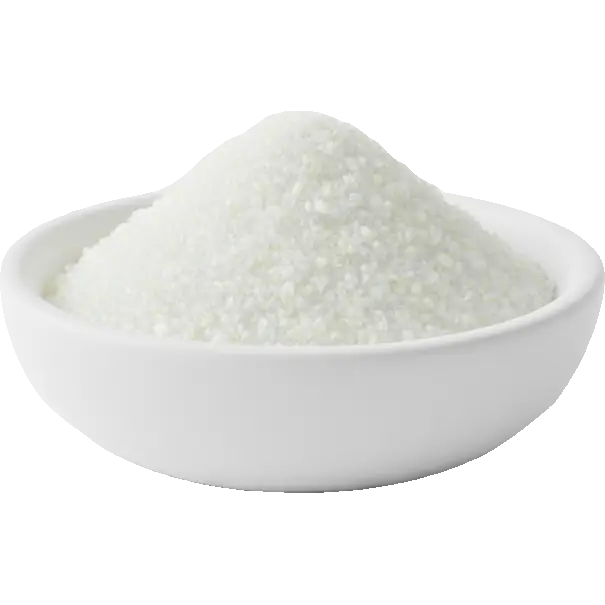
citric acid
Additives & Leavening
Is citric acid inflammation-compatible?
See whether citric acid fits a inflammation diet, with a clear compatible-or-avoid verdict plus its FODMAP, histamine and other trigger ratings in one place.
Related checkers
Compare citric acid across criteria
Sensitivity notes
Why inflammation diet checker matters
An anti-inflammatory diet focuses on foods that help reduce chronic inflammation in the body. It emphasizes fruits, vegetables, fatty fish, nuts, and whole grains while limiting processed foods, refined sugars, and certain oils.
- Focus on omega-3 rich foods like fatty fish, walnuts, and flaxseed
- Colorful fruits and vegetables provide anti-inflammatory antioxidants
- Extra virgin olive oil is a cornerstone of anti-inflammatory eating
Serving size, prep, and portion notes for citric acid
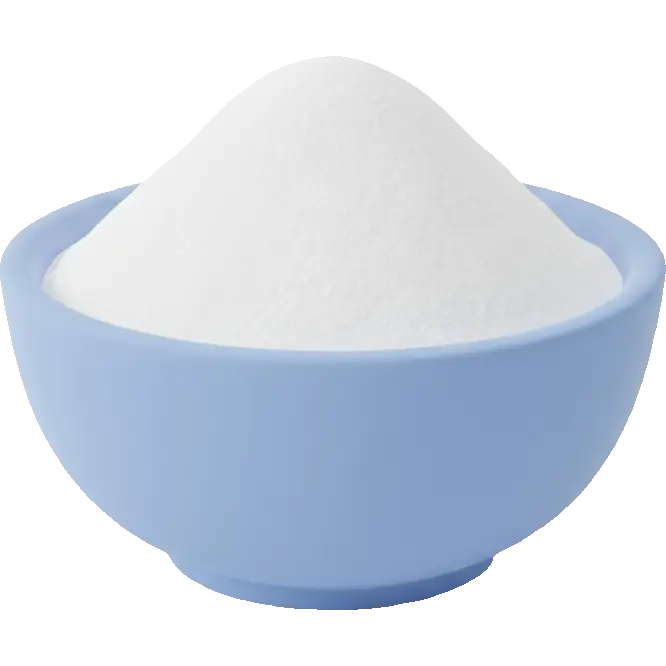
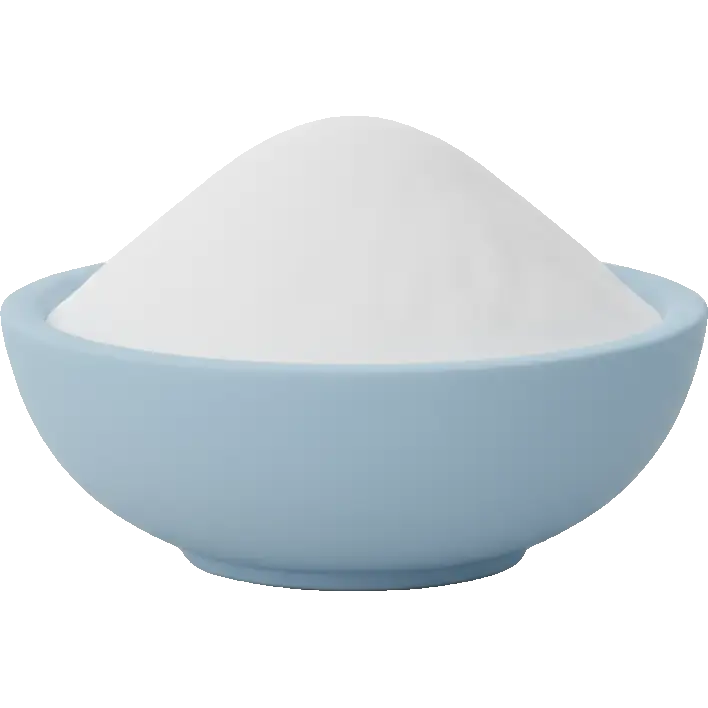
The single most useful fact about citric acid is that it does not come from citrus. Essentially all of the commercial supply is grown, not squeezed: a black mould called Aspergillus niger is fermented on a sugar feedstock, usually corn-derived glucose syrup and sometimes molasses or cassava, and the acid is precipitated out and purified. That matters in two directions. Anyone avoiding corn cannot treat citric acid as automatically corn-free, and the people who report reacting to manufactured citric acid while eating lemons and limes without trouble at least have a plausible reason to tell the two apart. On the chemistry we grade, citric acid is clean: A on histamine, A on histamine liberation, A on tyramine, sulfites, gluten, dairy protein, nickel, free glutamate and nightshade. It is also in almost every sour sweet and soft drink there is, which makes it one of the most heavily confounded suspects a food journal can throw up.
Watch for
Not a citrus product. Industrial citric acid is a fermentation product of Aspergillus niger grown on a sugar substrate, most often corn glucose syrup, so it is a hidden corn exposure for anyone eliminating corn and a mould-derived ingredient for anyone tracking that / It appears as E330 on European labels, and its salts (sodium citrate, potassium citrate, calcium citrate) are made from the same acid by the same route. If you are avoiding it for feedstock reasons, the citrates count too / The products that carry the most of it are sour sweets, gummies, energy and soft drinks, flavoured water and sports drinks, which also carry colours, intense sweeteners, preservatives and caffeine. A reaction logged against citric acid is very often a reaction to the product it came in / There is a direct contact side that has nothing to do with intolerance: strongly acidic sweets and drinks erode tooth enamel and can leave the lips, tongue and mouth raw or ulcerated. That is chemical irritation at the surface, not a systemic response / Published reports of intolerance to manufactured citric acid specifically exist, but they are a handful of case descriptions rather than an established condition. Treat it as a hypothesis to test in your own log, not a diagnosis



Explore related in Additives & Leavening
Compare similar foods to build a personalized list of swaps that work for your system.

Inflammation Guide
Everything you need to know about inflammation compatibility and smart food choices.
An anti-inflammatory diet focuses on foods that help reduce chronic inflammation in the body. It emphasizes fruits, vegetables, fatty fish, nuts, and whole grains while limiting processed foods, refined sugars, and certain oils.
These foods are typically compatible with a Inflammation approach:
View all safe options







Practical guidance for following a Inflammation diet:
- 1Focus on omega-3 rich foods like fatty fish, walnuts, and flaxseed
- 2Colorful fruits and vegetables provide anti-inflammatory antioxidants
- 3Extra virgin olive oil is a cornerstone of anti-inflammatory eating
- 4Limit refined sugars, processed foods, and industrial seed oils
- 5Turmeric and ginger are powerful anti-inflammatory spices
Pro tip: Keep a food diary to track your reactions. The Triggerbites app makes this easy with automatic pattern detection.
Want personalized tracking?
Download Triggerbites to log meals, track symptoms, and discover your unique triggers.
Get the AppFAQ
Does citric acid fit a Inflammation diet?
Inflammation: avoid for strict plans.
What if I eat it occasionally?
Occasional use may break strict plans.
What are safer swaps?
Compare within the Additives & Leavening group.