
carrageenan
Additives & Leavening
Is carrageenan high in low fermentation?
Is carrageenan high or low in low fermentation? See its exact rating, how much counts as a portion, and its FODMAP, salicylate, oxalate and diet compatibility in one place.
Sensitivity notes
Why low fermentation food checker matters
SIBO (Small Intestinal Bacterial Overgrowth) diets focus on reducing fermentable foods that feed bacteria in the small intestine. Low-fermentation foods help manage symptoms like bloating, gas, and abdominal discomfort.
- Low-fermentation eating reduces food for overgrown bacteria
- Meal spacing (4-5 hours) allows the MMC to clear the gut
- Avoid grazing - structured meals are better
- Some find the elemental diet helpful under medical supervision
- Address underlying causes with your healthcare provider
Sensitivities
What carrageenan contains
Additives
Diet fit
Where carrageenan fits
Therapeutic diets
Lifestyle diets
What to know about carrageenan
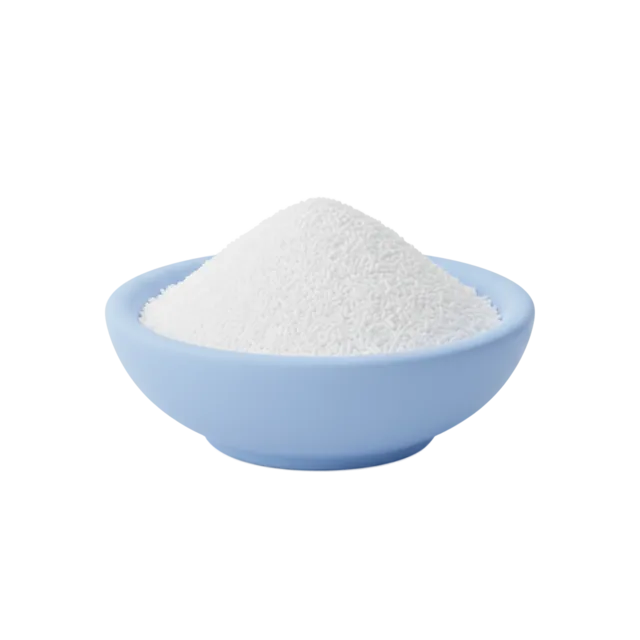
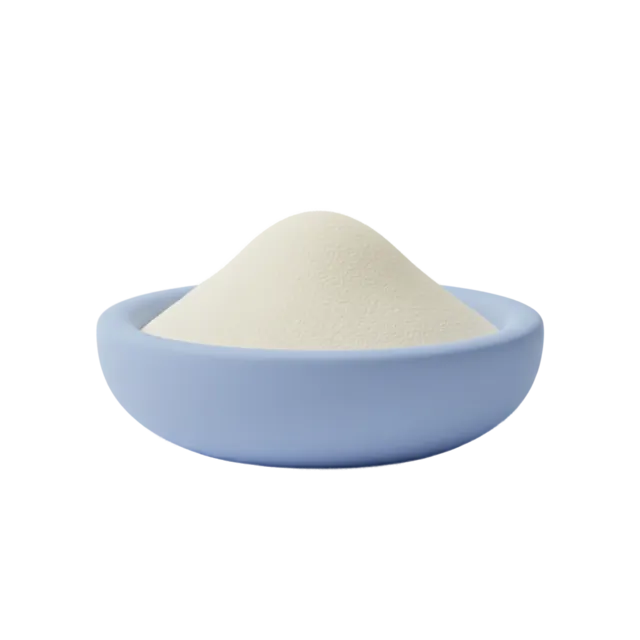
Carrageenan is a thickener extracted from red seaweed (E407) that keeps plant milks from separating and gives ice cream, cream and deli meat their body. On the classic food chemistry triggers it is clean: no histamine, no salicylates, no FODMAPs, no lactose, gluten, nickel, sulfites or free glutamate, which is why it grades A across those columns here. Its D grade for inflammation and its exclusion from AIP come from somewhere else entirely: a long-running and genuinely unresolved argument about whether food-grade carrageenan irritates the gut lining. Understanding that argument is the difference between avoiding it for a reason and avoiding it out of noise.
Watch for
- Most of the alarming animal research used poligeenan, not carrageenan.Poligeenan is an acid-degraded, low molecular weight version (around 10 to 20 kDa) that is not permitted in food and is used deliberately in laboratories to induce inflammation and ulceration. Food-grade carrageenan is a much larger molecule. Anyone quoting the ulcer studies at you is usually quoting the wrong compound.
- The distinction is real but not perfectly clean.EFSA re-evaluated carrageenan in 2018, kept the group acceptable daily intake at 75 mg per kg of body weight, but made that figure temporary and asked for better data, noting that the low molecular weight tail of food-grade carrageenan overlaps with the high molecular weight tail of poligeenan.
- Human evidence is thin in both directions.A small randomised trial in ulcerative colitis patients in remission found earlier relapse in the carrageenan arm, but with roughly a dozen participants it is a signal to follow up, not a verdict. If you have IBD or react to plant milks specifically, it is a sensible single variable to test in a food journal.
- It is easy to remove from a diet without noticing what you removed.Carrageenan concentrates in plant milks, dairy-free cream and yoghurt, ice cream, processed cheese and sliced deli meat, and those products carry other candidate triggers too. Swap the product, then reintroduce, rather than assuming the additive was the culprit.



Explore related in Additives & Leavening
Compare similar foods to build a personalized list of swaps that work for your system.

Low Fermentation Guide
Everything you need to know about low fermentation sensitivity and smart food choices.
SIBO (Small Intestinal Bacterial Overgrowth) diets focus on reducing fermentable foods that feed bacteria in the small intestine. Low-fermentation foods help manage symptoms like bloating, gas, and abdominal discomfort.
Sensitivity varies widely. What triggers one person may be fine for another. Track your reactions to find your personal threshold.
These foods are generally well-tolerated for Low Fermentation sensitivity:
View all safe options







These foods have moderate levels and may be tolerated in small amounts:








These foods are high in low fermentation and may trigger symptoms:
View full list







If you're sensitive to Low Fermentation, consider these strategies:
- 1Low-fermentation eating reduces food for overgrown bacteria
- 2Meal spacing (4-5 hours) allows the MMC to clear the gut
- 3Avoid grazing - structured meals are better
- 4Some find the elemental diet helpful under medical supervision
- 5Address underlying causes with your healthcare provider
Pro tip: Keep a food diary to track your reactions. The Triggerbites app makes this easy with automatic pattern detection.
Want personalized tracking?
Download Triggerbites to log meals, track symptoms, and discover your unique triggers.
Get the AppFAQ
Is carrageenan high in Low Fermentation?
Low Fermentation: no rating yet.
Can I still eat carrageenan if I'm sensitive to Low Fermentation?
No rating yet - start small and log a response.
What else should I check?
Check AIP and Whole30 next for a fuller picture.