 Back to Histamine food checker
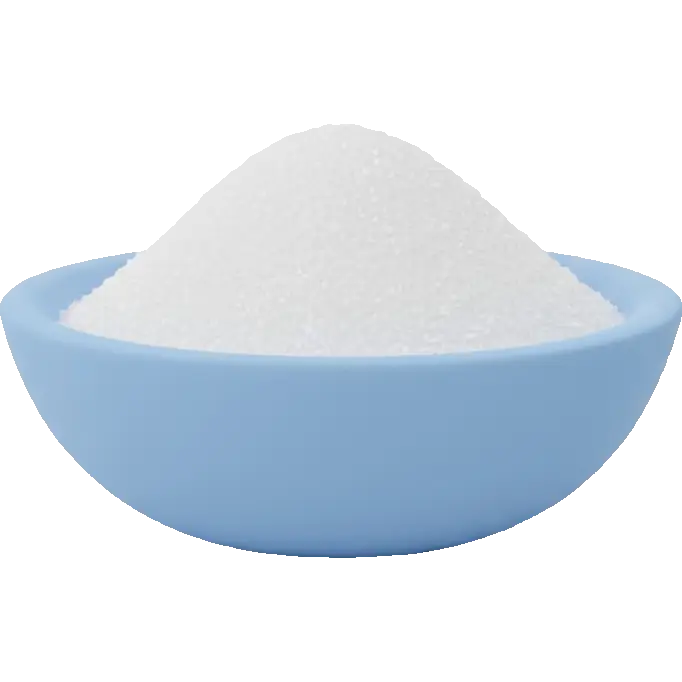
allulose
Sweeteners
Is allulose high in histamine?
Is allulose high or low in histamine? See its exact rating, how much counts as a portion, and its FODMAP, salicylate, oxalate and diet compatibility in one place.
How it works
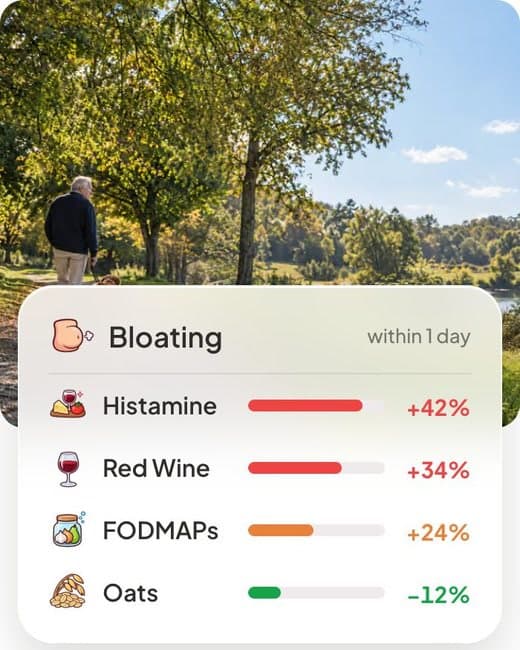
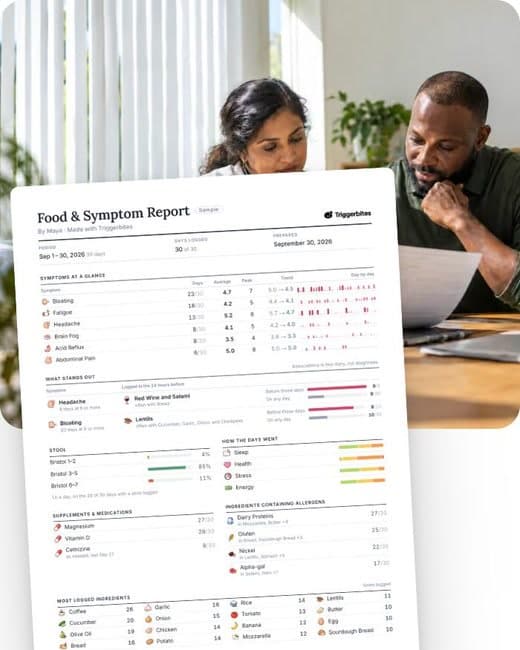
Triggerbites is a complete food and wellness journal.




Sensitivity notes
Why histamine food checker matters
Histamine is a compound naturally present in many foods, especially aged, fermented, or preserved items. In sensitive individuals, excess histamine can cause headaches, flushing, hives, digestive issues, and other symptoms. Your body normally breaks down histamine, but some people have reduced capacity to do so.
- Focus on fresh foods - histamine builds up as food ages
- Cook and eat meals fresh; avoid leftovers sitting more than 24 hours
- Be cautious with fermented foods, aged cheeses, and cured meats
- Consider that stress and hormones can affect your histamine tolerance
- Some antihistamines or DAO supplements may help (consult your doctor)

Sensitivities
What allulose contains
Additives


Diet fit
Where allulose fits
Therapeutic diets
What to know about allulose
Allulose is a rare sugar (D-psicose, the C-3 epimer of fructose) that occurs naturally in trace amounts in figs, raisins, jackfruit and maple syrup, and it is one of the few sweeteners with a genuinely clean trigger profile: no histamine, no salicylates, no lactose or gluten, no nickel or sulfites, and it is not a FODMAP. It is also not a sugar alcohol, which is the point most people get wrong. Where erythritol and sorbitol are polyols that arrive in the colon largely undigested, allulose is absorbed in the small intestine and then excreted in urine almost unchanged, so far less of it reaches your gut bacteria. It still has a dose ceiling, and outside the US it is harder to find than you would expect.
Watch for
- It has a real dose threshold.Tolerance testing put the maximum single dose at about 0.4 g per kg of body weight and the maximum daily intake at about 0.9 g per kg, with severe diarrhoea appearing at 0.5 g per kg in one sitting. For a 70 kg adult that is roughly 28 g at once, which a generous slice of allulose-sweetened dessert can reach.
- Overshooting looks like bloating, abdominal pain, nausea and loose stools.This is the unabsorbed fraction working osmotically, which is also why it is graded poorly on the low-fermentation SIBO column despite being fine on FODMAPs.
- You cannot buy it in the EU or UK.Allulose is an unauthorised novel food there, and in June 2025 EFSA closed its assessment saying safety could not be established because the applicant did not supply the requested data on identity, production, genotoxicity and human studies. That is a paperwork outcome, not a finding of harm, and new dossiers are in progress.
- US labels handle it oddly.Since 2019 the FDA has allowed allulose to be left out of the total sugars and added sugars lines while still counting in total carbohydrate, so a product can read 0 g sugar and still contain a substantial amount of it.

Explore related in Sweeteners
Compare similar foods to build a personalized list of swaps that work for your system.



Histamine Guide
Everything you need to know about histamine sensitivity and smart food choices.
Histamine is a compound naturally present in many foods, especially aged, fermented, or preserved items. In sensitive individuals, excess histamine can cause headaches, flushing, hives, digestive issues, and other symptoms. Your body normally breaks down histamine, but some people have reduced capacity to do so.
Sensitivity varies widely. What triggers one person may be fine for another. Track your reactions to find your personal threshold.

These foods are generally well-tolerated for Histamine sensitivity:
View all safe options



These foods have moderate levels and may be tolerated in small amounts:
These foods are high in histamine and may trigger symptoms:
View full list

If you're sensitive to Histamine, consider these strategies:
- 1Focus on fresh foods - histamine builds up as food ages
- 2Cook and eat meals fresh; avoid leftovers sitting more than 24 hours
- 3Be cautious with fermented foods, aged cheeses, and cured meats
- 4Consider that stress and hormones can affect your histamine tolerance
- 5Some antihistamines or DAO supplements may help (consult your doctor)
Pro tip: Keep a food diary to track your reactions. The Triggerbites app makes this easy with automatic pattern detection.
Want personalized tracking?
Download Triggerbites to log meals, track symptoms, and discover your unique triggers.
Get the AppFAQ
Is allulose high in Histamine?
Histamine: no rating yet.
Can I still eat allulose if I'm sensitive to Histamine?
No rating yet - start small and log a response.
What else should I check?
Check AIP next for a fuller picture.