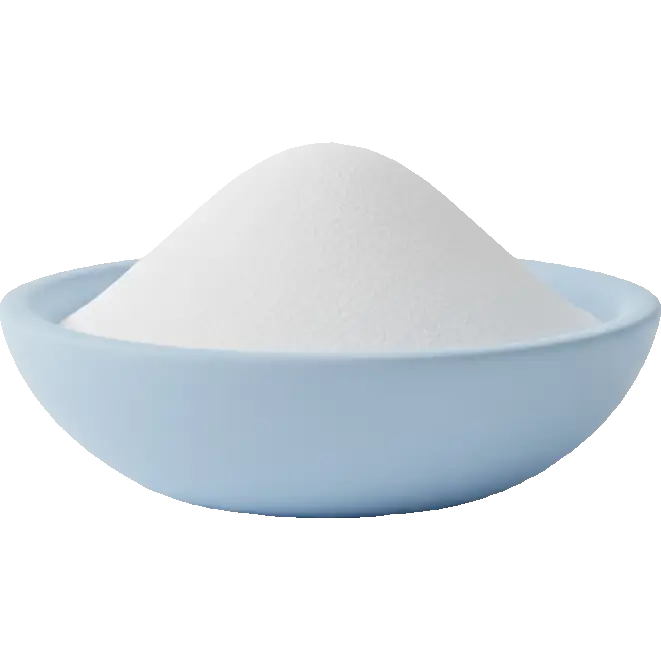
advantame
Sweeteners
Is advantame eoe compatible-compatible?
See whether advantame fits an eoe compatible diet, with a clear compatible-or-avoid verdict plus its FODMAP, histamine and other trigger ratings in one place.
Sensitivity notes
Why eoe compatible diet checker matters
Eosinophilic Esophagitis (EoE) dietary management often involves eliminating common trigger foods including dairy, wheat, eggs, soy, nuts, and seafood. The six-food elimination diet is commonly used to identify personal triggers.
- The six-food elimination diet removes dairy, wheat, eggs, soy, nuts, and seafood
- Systematic reintroduction with endoscopy helps identify triggers
- Milk/dairy is the most common trigger
- Work closely with your gastroenterologist and allergist
- Elemental diet may be used in severe cases
Sensitivities
What advantame contains
Additives
Diet fit
Where advantame fits
Therapeutic diets
What to know about advantame
Advantame is an ultra-high-intensity sweetener, roughly 20,000 times sweeter than sugar, cleared by the FDA in 2014 and listed in Europe as E969. On the food chemistry triggers it is about as quiet as an ingredient gets: no histamine, no salicylates, no FODMAPs or polyols, no lactose, gluten, sulfites, nickel or free glutamate. The nuance worth knowing is what it is built from. Advantame is made by joining aspartame to isovanillin, so it does carry a phenylalanine group, but the sweetening power is so extreme that it turns up in fractions of a milligram per serving and regulators concluded no PKU warning was needed on the label.
Watch for
- Built from aspartame, so it contains a phenylalanine group.The amounts are small enough that the FDA did not require the PKU warning that aspartame carries, but if you have phenylketonuria it is still worth raising with your dietitian rather than assuming.
- Because it sweetens at around 20,000 times sugar, there is essentially no bulk in the product.That is why it does not behave like sorbitol, maltitol or erythritol in the gut: there is nothing there to draw water or ferment.
- Graded pro-inflammatory and off-plan for AIP, DASH and Mediterranean eating.That is a judgement about a synthetic additive in a whole-food diet pattern, not evidence that it triggers a chemical sensitivity.
- The human record is young.The FDA set an acceptable daily intake of 32.8 mg per kg of body weight, EFSA landed on a more conservative 5 mg per kg, and real world intakes sit far below either figure. If you suspect it, log the product rather than the sweetener, since it almost never appears alone.





Explore related in Sweeteners
Compare similar foods to build a personalized list of swaps that work for your system.


EoE Compatible Guide
Everything you need to know about eoe compatible compatibility and smart food choices.
Eosinophilic Esophagitis (EoE) dietary management often involves eliminating common trigger foods including dairy, wheat, eggs, soy, nuts, and seafood. The six-food elimination diet is commonly used to identify personal triggers.
These foods are typically compatible with a EoE Compatible approach:
View all safe options







Practical guidance for following a EoE Compatible diet:
- 1The six-food elimination diet removes dairy, wheat, eggs, soy, nuts, and seafood
- 2Systematic reintroduction with endoscopy helps identify triggers
- 3Milk/dairy is the most common trigger
- 4Work closely with your gastroenterologist and allergist
- 5Elemental diet may be used in severe cases
Pro tip: Keep a food diary to track your reactions. The Triggerbites app makes this easy with automatic pattern detection.
Want personalized tracking?
Download Triggerbites to log meals, track symptoms, and discover your unique triggers.
Get the AppFAQ
Does advantame fit an eoe compatible diet?
EoE Compatible: no rating yet.
What if I eat it occasionally?
No rating yet - check ingredients and test.
What are safer swaps?
Compare within the Sweeteners group.