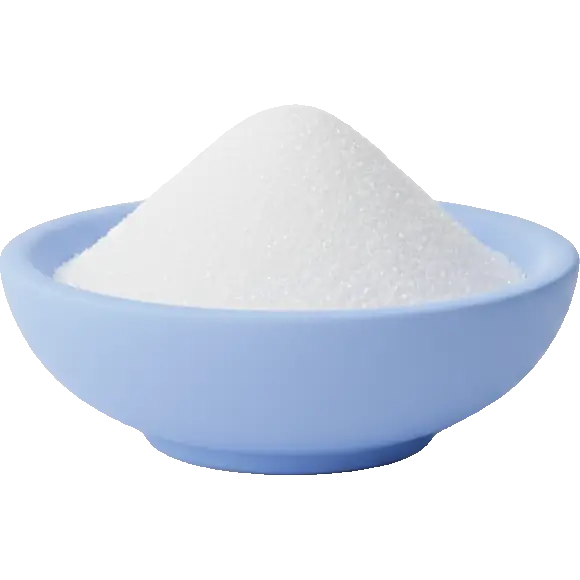
malic acid
Additives & Leavening
Is malic acid inflammation-compatible?
See whether malic acid fits an inflammation diet, with a clear compatible-or-avoid verdict plus its FODMAP, histamine and other trigger ratings in one place.
Sensitivity notes
Why inflammation diet checker matters
An anti-inflammatory diet focuses on foods that help reduce chronic inflammation in the body. It emphasizes fruits, vegetables, fatty fish, nuts, and whole grains while limiting processed foods, refined sugars, and certain oils.
- Focus on omega-3 rich foods like fatty fish, walnuts, and flaxseed
- Colorful fruits and vegetables provide anti-inflammatory antioxidants
- Extra virgin olive oil is a cornerstone of anti-inflammatory eating
- Limit refined sugars, processed foods, and industrial seed oils
- Turmeric and ginger are powerful anti-inflammatory spices
Sensitivities
What malic acid contains
We have no trigger grades for this ingredient yet.
Diet fit
Where malic acid fits
Therapeutic diets
What to know about malic acid
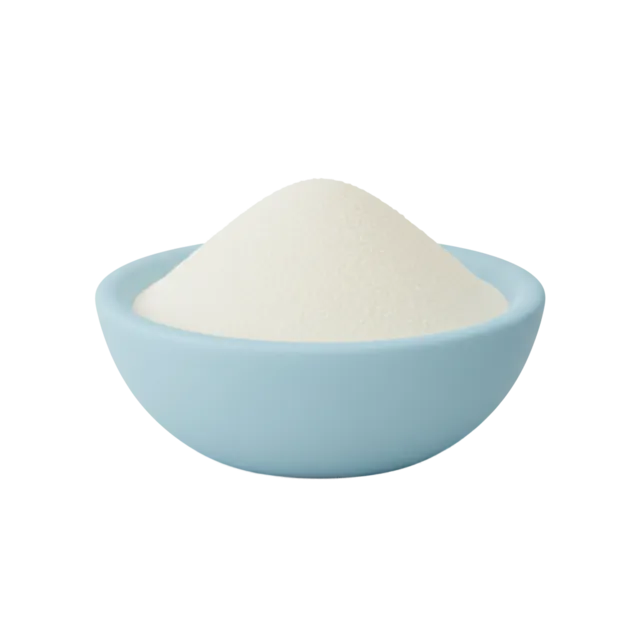
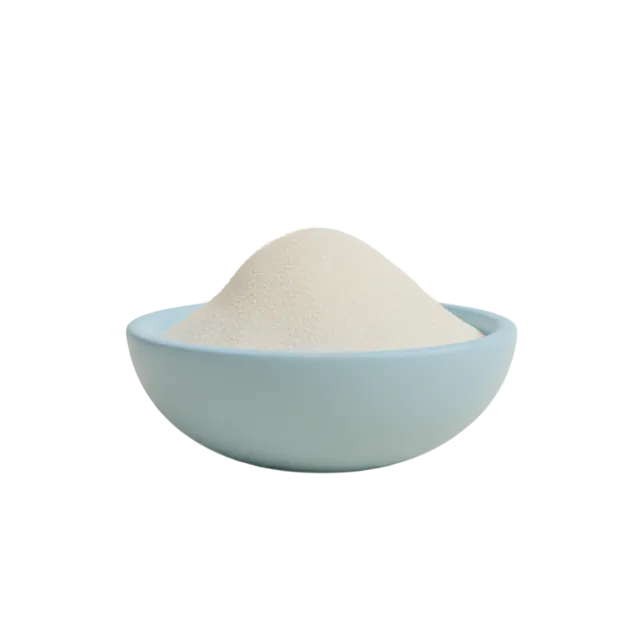
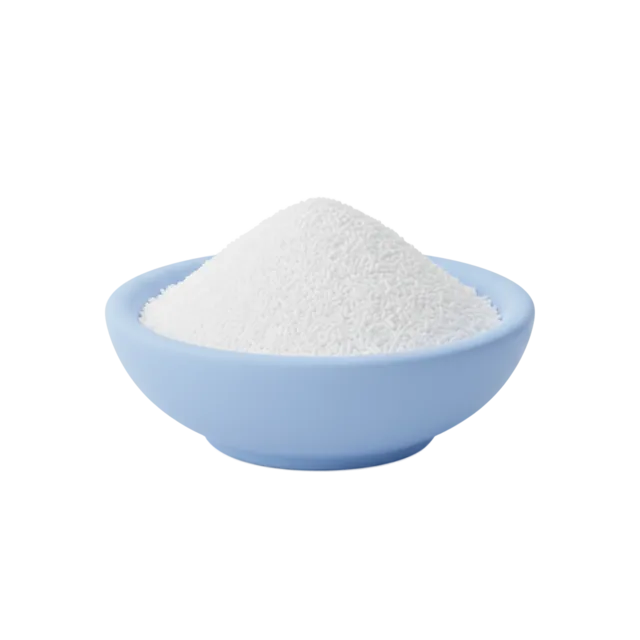
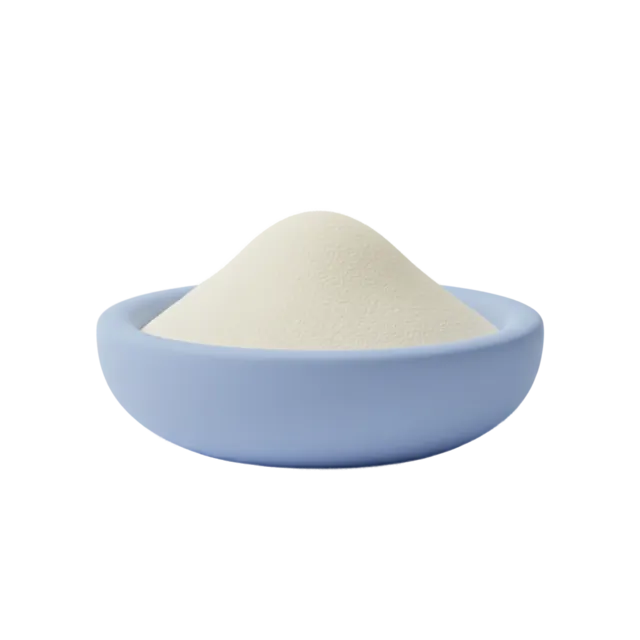
Malic acid (E296) is the acid that makes a green apple taste sharp, and the acid manufacturers reach for when they want sourness that lingers: sour sweets, fruit drinks, sugar-free gum, cider and some wines. It is graded clean right across the trigger columns here, with no histamine, no salicylate, no amine and no FODMAP load. What it does have is a physical effect, because concentrated sour coatings are strong enough to strip enamel and irritate the lining of the mouth.
Watch for
- Extreme sour sweets are the one documented harm.The acid coating sits directly on enamel and soft tissue, and dentists see erosion, and sometimes raw patches and ulcers on the tongue and lips, in children who eat a lot of them
- Sourness is not the same as intolerance.A sharp drink can provoke reflux or a burning sensation purely through acidity, and that will happen with lemon juice or vinegar just the same. Log it as an acid reaction rather than a food chemical one
- In sugar-free sour sweets the acid usually shares the packet with sorbitol, maltitol or xylitol.If those sweets bloat you, the polyols are the thing to test, since malic acid ferments nothing
- The commercial version is made synthetically as a mix of the two mirror forms rather than pressed out of apples.It is metabolised identically and carries no fruit protein, so an apple allergy does not transfer to it





Explore related in Additives & Leavening
Compare similar foods to build a personalized list of swaps that work for your system.

Inflammation Guide
Everything you need to know about inflammation compatibility and smart food choices.
An anti-inflammatory diet focuses on foods that help reduce chronic inflammation in the body. It emphasizes fruits, vegetables, fatty fish, nuts, and whole grains while limiting processed foods, refined sugars, and certain oils.
These foods are typically compatible with a Inflammation approach:
View all safe options






Practical guidance for following a Inflammation diet:
- 1Focus on omega-3 rich foods like fatty fish, walnuts, and flaxseed
- 2Colorful fruits and vegetables provide anti-inflammatory antioxidants
- 3Extra virgin olive oil is a cornerstone of anti-inflammatory eating
- 4Limit refined sugars, processed foods, and industrial seed oils
- 5Turmeric and ginger are powerful anti-inflammatory spices
Pro tip: Keep a food diary to track your reactions. The Triggerbites app makes this easy with automatic pattern detection.
Want personalized tracking?
Download Triggerbites to log meals, track symptoms, and discover your unique triggers.
Get the AppFAQ
Does malic acid fit an inflammation diet?
Inflammation: no rating yet.
What if I eat it occasionally?
No rating yet - check ingredients and test.
What are safer swaps?
Compare within the Additives & Leavening group.