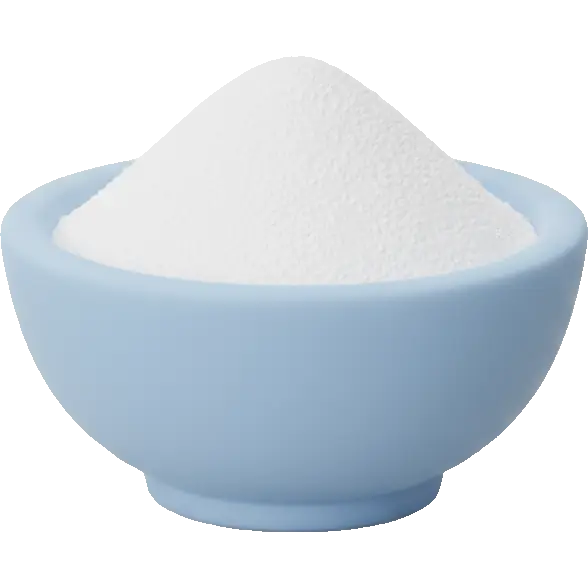
calcium propionate
Additives & Leavening
Is calcium propionate inflammation-compatible?
See whether calcium propionate fits an inflammation diet, with a clear compatible-or-avoid verdict plus its FODMAP, histamine and other trigger ratings in one place.
Sensitivity notes
Why inflammation diet checker matters
An anti-inflammatory diet focuses on foods that help reduce chronic inflammation in the body. It emphasizes fruits, vegetables, fatty fish, nuts, and whole grains while limiting processed foods, refined sugars, and certain oils.
- Focus on omega-3 rich foods like fatty fish, walnuts, and flaxseed
- Colorful fruits and vegetables provide anti-inflammatory antioxidants
- Extra virgin olive oil is a cornerstone of anti-inflammatory eating
- Limit refined sugars, processed foods, and industrial seed oils
- Turmeric and ginger are powerful anti-inflammatory spices
Sensitivities
What calcium propionate contains
Additives
Diet fit
Where calcium propionate fits
Therapeutic diets
What to know about calcium propionate
Calcium propionate (E282) is the mould inhibitor that keeps supermarket bread, wraps, buns and tortillas soft for a fortnight instead of going green in three days. On the classic intolerance panel it is remarkably clean: A for histamine, salicylate, gluten, dairy, sulfite, glutamate and every FODMAP. What makes it worth logging is different. It is one of the few preservatives with a real controlled human trial behind the complaints, and that trial was about irritability, restlessness and sleep in children rather than gut symptoms.
Watch for
- A double-blind placebo-controlled crossover trial of 27 children (Dengate and Ruben, 2002) challenged them with calcium propionate in daily bread: 52 percent worsened on behaviour ratings against 19 percent who improved.The effects appeared over days rather than immediately, so a single slice tells you nothing
- That delayed, cumulative pattern is the practical problem.Bread is eaten every day, so there is no clean baseline to compare against unless you deliberately go a week or two without it
- Graded D for inflammation and not AIP compliant, which reflects the ultra-processed baked goods it lives in as much as the salt itself
- A 2019 human and animal study found propionate raised glucagon and blunted insulin action after a meal.It is early work on a single mechanism and not grounds for alarm, but it is the reason the additive is still being studied rather than settled



Explore related in Additives & Leavening
Compare similar foods to build a personalized list of swaps that work for your system.

Inflammation Guide
Everything you need to know about inflammation compatibility and smart food choices.
An anti-inflammatory diet focuses on foods that help reduce chronic inflammation in the body. It emphasizes fruits, vegetables, fatty fish, nuts, and whole grains while limiting processed foods, refined sugars, and certain oils.
These foods are typically compatible with a Inflammation approach:
View all safe options






Practical guidance for following a Inflammation diet:
- 1Focus on omega-3 rich foods like fatty fish, walnuts, and flaxseed
- 2Colorful fruits and vegetables provide anti-inflammatory antioxidants
- 3Extra virgin olive oil is a cornerstone of anti-inflammatory eating
- 4Limit refined sugars, processed foods, and industrial seed oils
- 5Turmeric and ginger are powerful anti-inflammatory spices
Pro tip: Keep a food diary to track your reactions. The Triggerbites app makes this easy with automatic pattern detection.
Want personalized tracking?
Download Triggerbites to log meals, track symptoms, and discover your unique triggers.
Get the AppFAQ
Does calcium propionate fit an inflammation diet?
Inflammation: no rating yet.
What if I eat it occasionally?
No rating yet - check ingredients and test.
What are safer swaps?
Compare within the Additives & Leavening group.