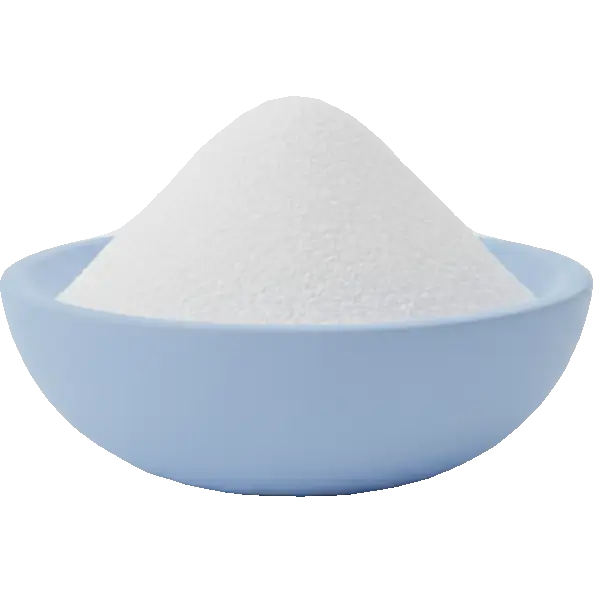
monosodium glutamate
Additives & Leavening
Is monosodium glutamate high in glutamates?
Is monosodium glutamate high or low in glutamates? See its exact rating, how much counts as a portion, and its FODMAP, salicylate, oxalate and diet compatibility in one place.
Sensitivity notes
Why glutamates food checker matters
Glutamates, including MSG, are flavor enhancers found naturally in many foods and added to others. Some people report sensitivity causing headaches, flushing, or other symptoms, though research on 'MSG syndrome' is mixed.
- MSG goes by many names - look for 'glutamate' on labels
- Naturally high in soy sauce, fish sauce, and aged cheeses
- Tomatoes and mushrooms are naturally high in glutamates
- Yeast extract and hydrolyzed proteins contain glutamates
- Fresh, unprocessed foods are generally lower
What to know about monosodium glutamate
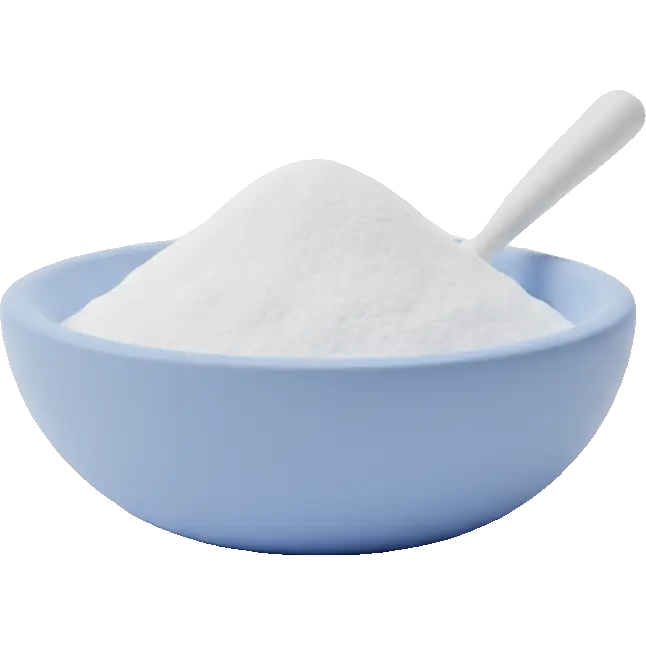
Monosodium glutamate is the sodium salt of glutamic acid, and our data grades it E for free glutamate: the one trigger it genuinely carries. Everything else is clean, with A grades for gluten, lactose, FODMAPs, salicylates, sulfites and nickel, and only a B for histamine. The important context is that the glutamate in MSG is the same molecule as the free glutamate already present in parmesan, ripe tomatoes, mushrooms, kombu and soy sauce, so a body cannot tell the two apart. The reputation MSG carries comes from a 1968 letter to a medical journal that coined "Chinese restaurant syndrome", and the panic that followed said more about who was cooking than about the chemistry. Decades of double blind, placebo controlled testing have largely failed to reproduce symptoms reliably, and where responses do appear they cluster at very large doses taken on an empty stomach without food. That is not the same as saying nobody reacts. Some people consistently report headache, flushing or tightness after glutamate heavy meals, and glutamate sensitivity is real enough that we grade it. The honest answer is that MSG is one of the easiest triggers to test rather than assume: log the meals that contain it, log the parmesan and tomato heavy meals that carry just as much free glutamate, and see whether your symptoms follow the glutamate or follow something else entirely.
Watch for
- Graded E for free glutamate, the top of our scale.If glutamate is a confirmed trigger for you, this is a concentrated source rather than an incidental one
- The same free glutamate sits in aged parmesan, sun dried and cooked tomatoes, mushrooms, kombu, soy sauce and fish sauce.Cutting MSG while eating those daily is not an elimination, it is a label change
- Blind challenge studies mostly find symptoms only around 3 g or more taken in water without food, well above what a seasoned dish delivers.Eaten with a meal, responses have been hard to reproduce
- Histamine graded B, so a mild secondary contribution rather than a headline.It is clean on sulfites, nitrites, nickel and tyramine, which are the additives people often blame alongside it
- Label reading matters more than the three letters: "no added MSG" products routinely carry yeast extract, hydrolysed vegetable protein or autolysed yeast, which deliver free glutamate by another name.In the EU it appears as E621




Explore related in Additives & Leavening
Compare similar foods to build a personalized list of swaps that work for your system.

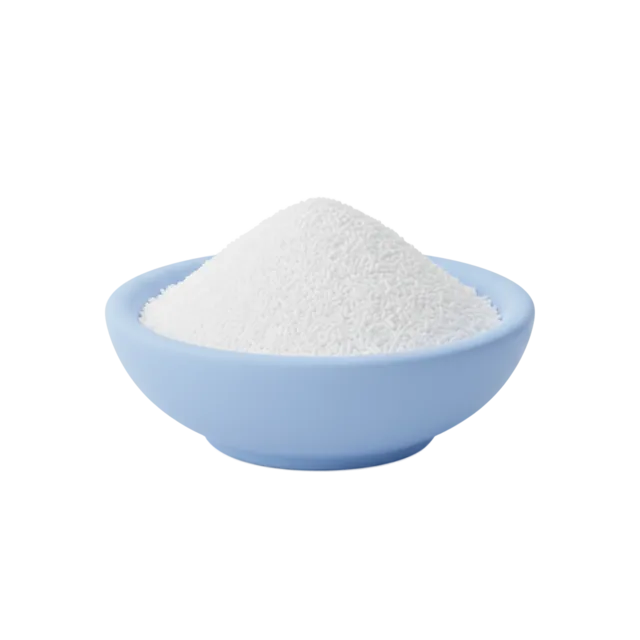
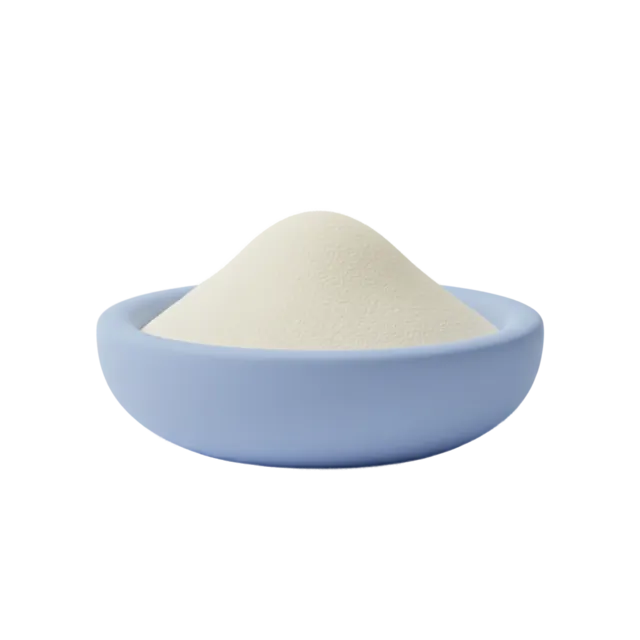
Glutamates Guide
Everything you need to know about glutamates sensitivity and smart food choices.
Glutamates, including MSG, are flavor enhancers found naturally in many foods and added to others. Some people report sensitivity causing headaches, flushing, or other symptoms, though research on 'MSG syndrome' is mixed.
Sensitivity varies widely. What triggers one person may be fine for another. Track your reactions to find your personal threshold.
These foods are generally well-tolerated for Glutamates sensitivity:
View all safe options







These foods have moderate levels and may be tolerated in small amounts:







These foods are high in glutamates and may trigger symptoms:
View full list






If you're sensitive to Glutamates, consider these strategies:
- 1MSG goes by many names - look for 'glutamate' on labels
- 2Naturally high in soy sauce, fish sauce, and aged cheeses
- 3Tomatoes and mushrooms are naturally high in glutamates
- 4Yeast extract and hydrolyzed proteins contain glutamates
- 5Fresh, unprocessed foods are generally lower
Pro tip: Keep a food diary to track your reactions. The Triggerbites app makes this easy with automatic pattern detection.
Want personalized tracking?
Download Triggerbites to log meals, track symptoms, and discover your unique triggers.
Get the AppFAQ
Is monosodium glutamate high in Glutamates?
Glutamates: higher signal - consider smaller servings or swaps.
Can I still eat monosodium glutamate if I'm sensitive to Glutamates?
Best to avoid or test carefully with a small amount.
What else should I check?
Check AIP and Whole30 next for a fuller picture.