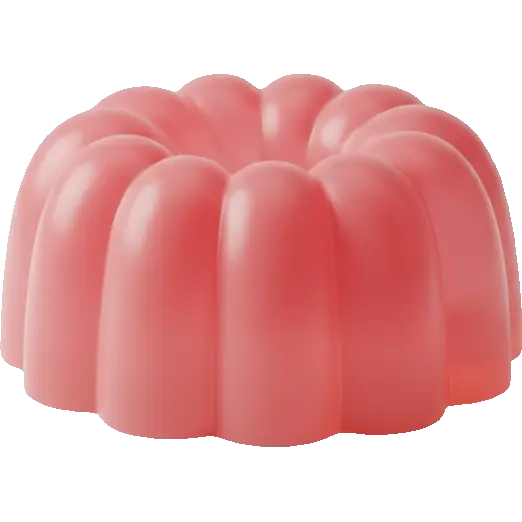
gelatin
Additives & Leavening
Is gelatin inflammation-compatible?
See whether gelatin fits a inflammation diet, with a clear compatible-or-avoid verdict plus its FODMAP, histamine and other trigger ratings in one place.
Related checkers
Compare gelatin across criteria
Sensitivity notes
Why inflammation diet checker matters
An anti-inflammatory diet focuses on foods that help reduce chronic inflammation in the body. It emphasizes fruits, vegetables, fatty fish, nuts, and whole grains while limiting processed foods, refined sugars, and certain oils.
- Focus on omega-3 rich foods like fatty fish, walnuts, and flaxseed
- Colorful fruits and vegetables provide anti-inflammatory antioxidants
- Extra virgin olive oil is a cornerstone of anti-inflammatory eating
Serving size, prep, and portion notes for gelatin
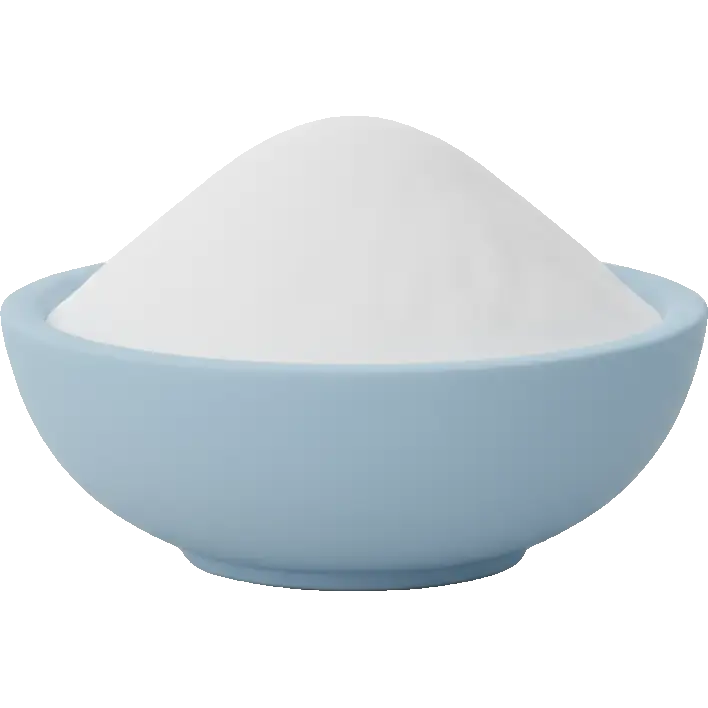
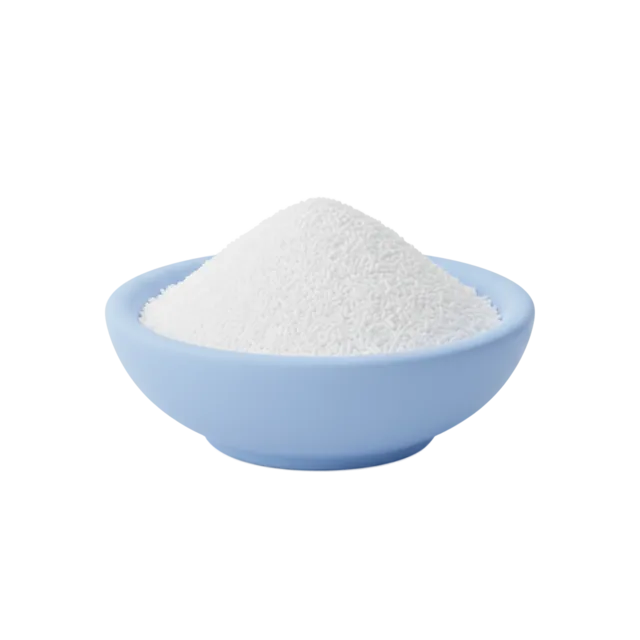
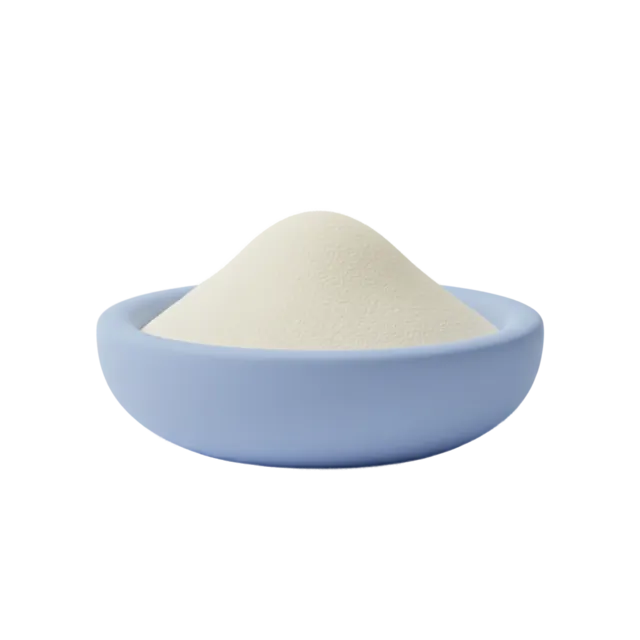
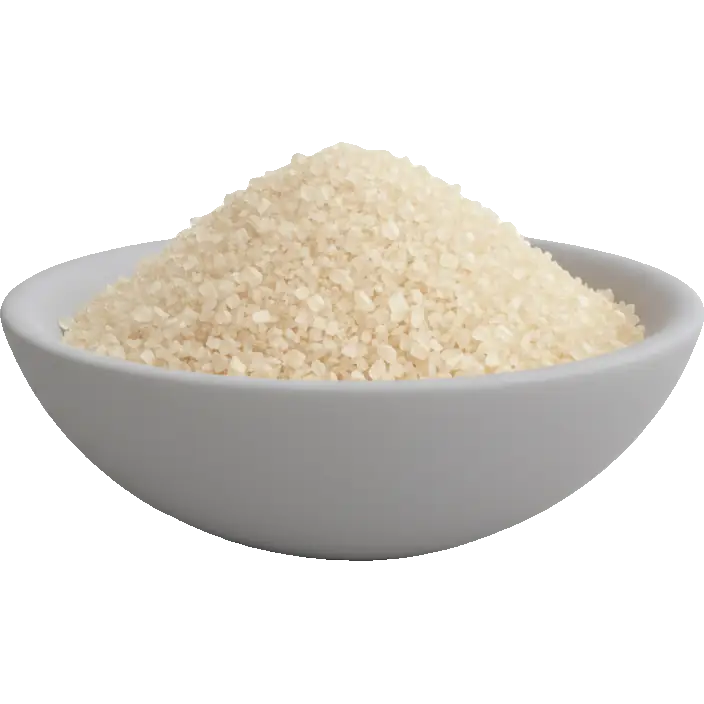
Gelatin is collagen taken from animal skin, bone and connective tissue, simmered out, purified and dried, and it is one of the cleanest ingredients in this whole index. It is essentially pure protein with no carbohydrate at all, which is why it grades clean across every FODMAP column, and it also grades clean on histamine, histamine liberation, free glutamate, lactose, dairy protein, gluten, salicylate, oxalate, sulfite, nickel and nightshade. It still turns up on low-histamine avoid lists, and that is worth untangling rather than repeating. What those lists are usually warning about is long-simmered bone broth and slow-cooked collagen-rich meat, where hours of cooking and warm holding let histamine and free glutamate build up. Plain unflavoured gelatin powder is not that food. The only two columns where gelatin scores badly are vegan and vegetarian, which is a definition rather than a sensitivity.
Watch for
Not vegan or vegetarian under any circumstances, since it is made from animal connective tissue. Agar-agar is the direct plant-based setting agent / The jelly is rarely the gelatin. Flavoured jelly, gummies and marshmallows carry sugar, artificial colours, citric acid and sulfited fruit concentrate, and those are what people usually react to / Beef and pork gelatin contain alpha-gal, so it is relevant to anyone with alpha-gal syndrome after a tick bite. Fish gelatin is the usual workaround / If collagen-rich foods do bother you, look at how they were cooked rather than at the collagen. A broth held at a simmer for eight hours is a histamine question, powdered gelatin bloomed in cold water is not / Clean enough across the board to be genuinely useful during an elimination diet, and it is one of the few processed-looking ingredients that is AIP compliant




Explore related in Additives & Leavening
Compare similar foods to build a personalized list of swaps that work for your system.

Inflammation Guide
Everything you need to know about inflammation compatibility and smart food choices.
An anti-inflammatory diet focuses on foods that help reduce chronic inflammation in the body. It emphasizes fruits, vegetables, fatty fish, nuts, and whole grains while limiting processed foods, refined sugars, and certain oils.
These foods are typically compatible with a Inflammation approach:
View all safe options






Practical guidance for following a Inflammation diet:
- 1Focus on omega-3 rich foods like fatty fish, walnuts, and flaxseed
- 2Colorful fruits and vegetables provide anti-inflammatory antioxidants
- 3Extra virgin olive oil is a cornerstone of anti-inflammatory eating
- 4Limit refined sugars, processed foods, and industrial seed oils
- 5Turmeric and ginger are powerful anti-inflammatory spices
Pro tip: Keep a food diary to track your reactions. The Triggerbites app makes this easy with automatic pattern detection.
Want personalized tracking?
Download Triggerbites to log meals, track symptoms, and discover your unique triggers.
Get the AppFAQ
Does gelatin fit a Inflammation diet?
Inflammation: mixed fit - check ingredients.
What if I eat it occasionally?
Keep portions small and verify ingredients.
What are safer swaps?
Compare within the Additives & Leavening group.