Food diary for GERD
GERD (acid reflux) happens when stomach contents flow back into the esophagus and can cause heartburn.
Track meals, timing, and portions to see which foods or habits may worsen reflux.
 Caffeine
 Nightshades
 Typical symptoms
- Heartburn
- Regurgitation
- Chest discomfort
- Sour taste
- Trouble swallowing




- Log meal times and late snacks
- Track caffeine dose separately
- Test one change at a time

How this helps
A clear, condition-specific plan for your next two weeks.
Separate timing effects from ingredient effects.
Track caffeine dose and not just beverages.
Test one change at a time for cleaner comparisons.

Top sensitivities to check
Tools to compare the patterns that show up most often.

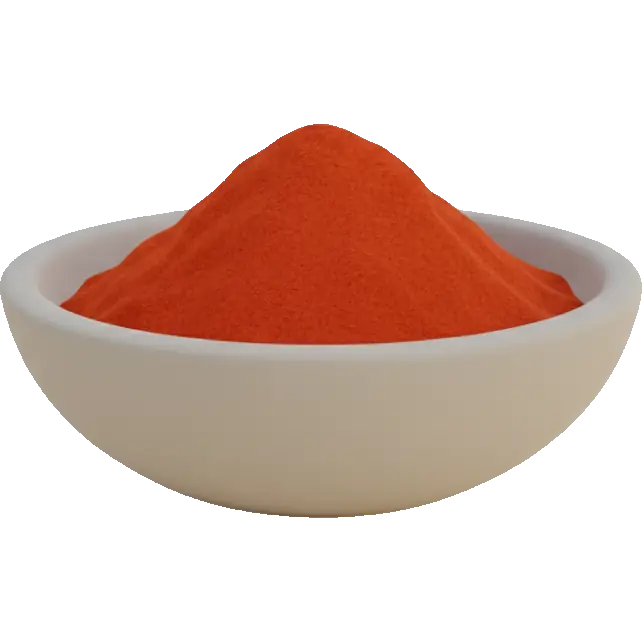
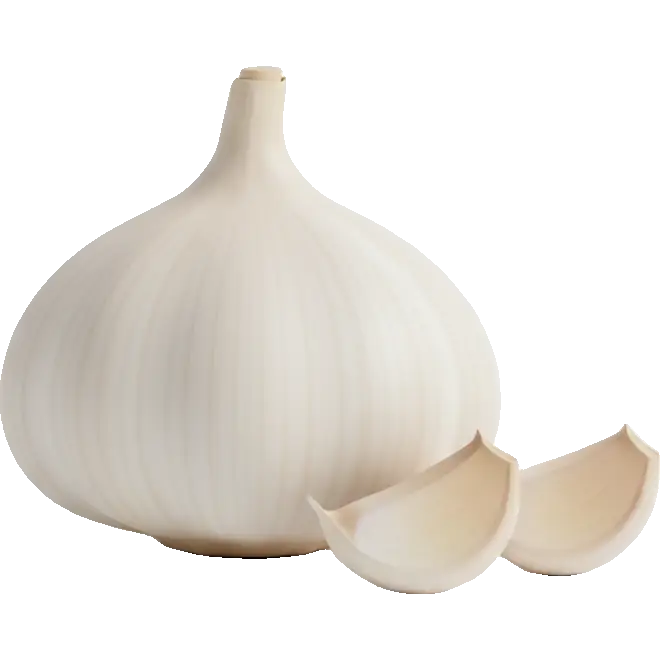
Common triggers to track
These ingredients often show up in patterns, worth checking first.






Recommended 2-week workflow
Follow these steps to get meaningful data.
Log meals and heartburn for 7 days without changing habits.
Record meal timing, portion size, and whether you ate late.
Check caffeine sources and note coffee or tea strength.
Tag tomato or pepper heavy meals with the nightshade checker.
Test one change at a time for 3 to 4 days.
Keep notes on posture, sleep position, and late snacks.
 Example scenario
Example: You notice heartburn after late dinners and coffee. You move coffee earlier for 4 days and compare.

Common mistakes
Avoid these so your results stay clear.

Changing meal timing and ingredients together.
Skipping beverage logs.
Only tracking bad days.

FAQ
Quick answers before you start logging.
Can this diagnose GERD?

No. It helps you track patterns but cannot diagnose GERD.
Do I need to avoid all acidic foods?
Not necessarily. Start with small tests to see what affects you.
Is timing as important as ingredients?
Often, yes. Late or large meals can be a pattern worth testing.
Related conditions
If your symptoms overlap, start here next.

Track smarter in the app.
Log meals, spot patterns automatically, and share reports with your healthcare provider.

Prefer paper? Download a free template