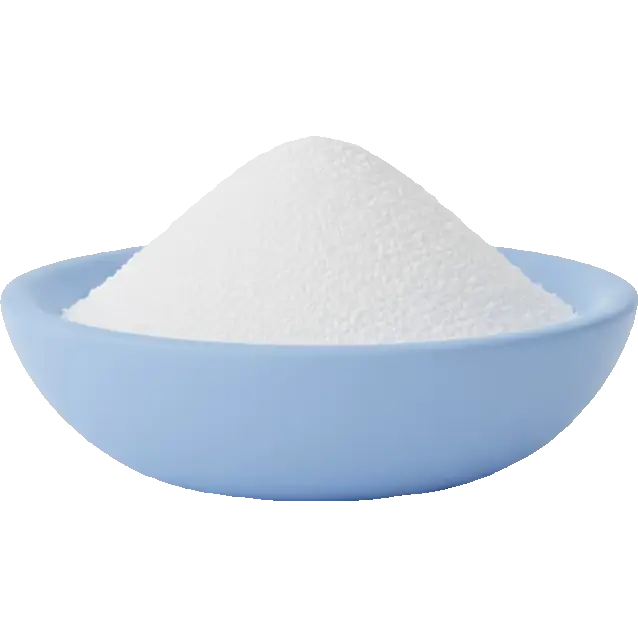
acesulfame potassium
Sweeteners
Is acesulfame potassium high in caffeine?
Is acesulfame potassium high or low in caffeine? See its exact rating, how much counts as a portion, and its FODMAP, salicylate, oxalate and diet compatibility in one place.
Sensitivity notes
Why caffeine food checker matters
Caffeine is a natural stimulant found in coffee, tea, chocolate, and many soft drinks. While safe for most people, those with caffeine sensitivity may experience anxiety, rapid heartbeat, digestive issues, or sleep disturbances even from small amounts.
- Gradually reduce caffeine to avoid withdrawal headaches
- Switch to decaf versions of your favorite drinks
- Be aware of hidden caffeine in chocolate and some medications
- Try herbal alternatives like rooibos or peppermint tea
- Caffeine sensitivity can change with age and stress levels
What to know about acesulfame potassium
Acesulfame potassium, listed as Ace-K or E950, is an intense sweetener roughly two hundred times sweeter than sugar that your body does not metabolise at all: it is absorbed, passed through unchanged and excreted in urine, so it delivers no calories and no blood sugar response. On the sensitivity columns it comes back A across the board, including gluten, lactose, dairy protein, histamine, salicylate, oxalate, nickel, sulfite and glutamate, and every FODMAP group including polyols is clean, so it does not behave like the sugar alcohols it often sits beside. The catch is that you almost never meet it alone. On its own it carries a bitter, slightly metallic finish, so manufacturers blend it with sucralose or aspartame to mask that, which means a reaction blamed on Ace-K is frequently a reaction to the blend. It is also graded E for low-fermentation and SIBO protocols and E for DASH, which are plan-fit calls about ultra-processed sweeteners rather than chemical trigger findings.
Watch for
- It is a blending sweetener, not a solo one.Check the full sweetener line on the label before attributing anything to Ace-K, because sucralose or aspartame is nearly always in there with it
- Graded E for low-fermentation and SIBO plans and E for DASH, so it is one to leave out if you are running a strict protocol of either kind, even though the chemical trigger columns are clean
- It is not a sugar alcohol.Sorbitol, maltitol and xylitol pull water into the bowel and ferment, which is why they cause gas and loose stools. Ace-K has no polyol content and grades A for polyols, so that particular mechanism does not apply to it
- Heat stable, unlike aspartame, so it survives baking and turns up well beyond soft drinks: protein powders, yogurts, chewing gum, sauces, flavoured waters, medicines and toothpaste.Your total exposure is usually wider than you think
- The potassium in the name is just the counter-ion that makes the salt.The quantity used to sweeten a drink is measured in tens of milligrams, so it is not a meaningful source of dietary potassium


Explore related in Sweeteners
Compare similar foods to build a personalized list of swaps that work for your system.

Caffeine Guide
Everything you need to know about caffeine sensitivity and smart food choices.
Caffeine is a natural stimulant found in coffee, tea, chocolate, and many soft drinks. While safe for most people, those with caffeine sensitivity may experience anxiety, rapid heartbeat, digestive issues, or sleep disturbances even from small amounts.
Sensitivity varies widely. What triggers one person may be fine for another. Track your reactions to find your personal threshold.








These foods have moderate levels and may be tolerated in small amounts:




These foods are high in caffeine and may trigger symptoms:




If you're sensitive to Caffeine, consider these strategies:
- 1Gradually reduce caffeine to avoid withdrawal headaches
- 2Switch to decaf versions of your favorite drinks
- 3Be aware of hidden caffeine in chocolate and some medications
- 4Try herbal alternatives like rooibos or peppermint tea
- 5Caffeine sensitivity can change with age and stress levels
Pro tip: Keep a food diary to track your reactions. The Triggerbites app makes this easy with automatic pattern detection.
Want personalized tracking?
Download Triggerbites to log meals, track symptoms, and discover your unique triggers.
Get the AppFAQ
Is acesulfame potassium high in Caffeine?
Caffeine: no rating yet.
Can I still eat acesulfame potassium if I'm sensitive to Caffeine?
No rating yet - start small and log a response.
What else should I check?
Check Lectin and AIP next for a fuller picture.