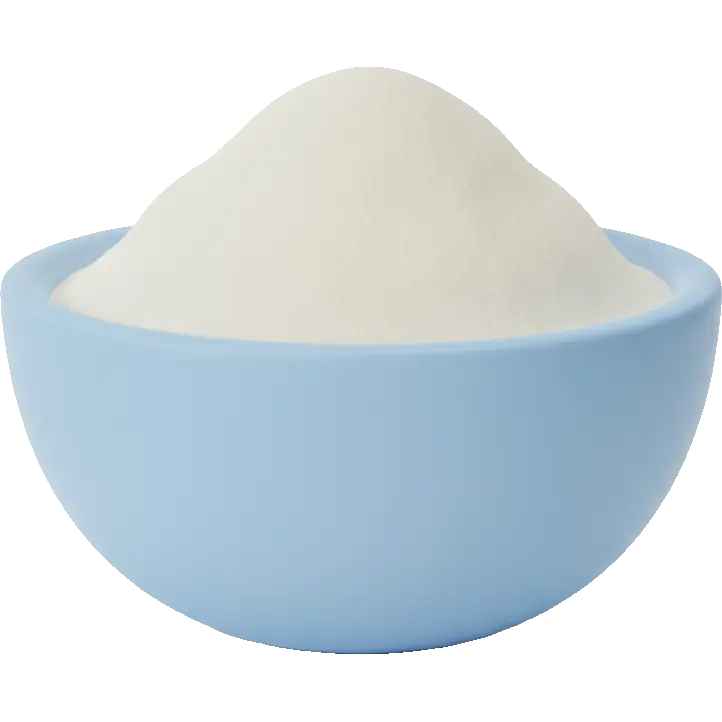
xanthan gum
Additives & Leavening
Is xanthan gum eoe compatible-compatible?
See whether xanthan gum fits a eoe compatible diet, with a clear compatible-or-avoid verdict plus its FODMAP, histamine and other trigger ratings in one place.
Related checkers
Compare xanthan gum across criteria
Sensitivity notes
Why eoe compatible diet checker matters
Eosinophilic Esophagitis (EoE) dietary management often involves eliminating common trigger foods including dairy, wheat, eggs, soy, nuts, and seafood. The six-food elimination diet is commonly used to identify personal triggers.
- The six-food elimination diet removes dairy, wheat, eggs, soy, nuts, and seafood
- Systematic reintroduction with endoscopy helps identify triggers
- Milk/dairy is the most common trigger
Serving size, prep, and portion notes for xanthan gum
Xanthan gum is one of the genuinely quiet additives. Our data grades it low FODMAP and clean on gluten, lactose, dairy protein, sulfites, nitrites and nightshades, with a scattering of borderline marks and one real caveat: it is a fermentable fibre, and it is graded borderline for SIBO. It is not a plant extract. The bacterium Xanthomonas campestris is fed sugar in a tank, secretes a long-chain polysaccharide, and that slime is precipitated, dried and milled. A fraction of a percent by weight turns a batter into something that behaves like it has gluten, which is why gluten-free bread exists in its current form. The two things worth knowing are what sugar it was fed on, and how much of it you are actually eating.
Watch for
Graded borderline for SIBO fermentation. Xanthan gum is a soluble fibre, so the quarter teaspoon in a loaf is a non-event while a heaped tablespoon stirred into a smoothie can produce real gas, bloating and looseness. / The fermentation substrate never appears on the label. Corn is the most common feedstock, but wheat, soy and dairy sugars are all used commercially, and people with severe corn, soy or wheat allergy sometimes need to ask the manufacturer directly. / Certified gluten-free products use a non-wheat substrate and processing removes protein residues, but plain bulk xanthan gum sold without a gluten-free claim is worth verifying if you have coeliac disease. / Xanthan gum thickeners are not for premature infants. The FDA warned in 2011 after cases of necrotising enterocolitis in preterm babies given a xanthan gum based feed thickener. / Graded low FODMAP with no gluten, lactose or dairy protein. If a gluten-free baked good upset you, the flour blend (often chickpea, lupin, inulin or sorghum) is a far more likely culprit than the gum holding it together.

Explore related in Additives & Leavening
Compare similar foods to build a personalized list of swaps that work for your system.

EoE Compatible Guide
Everything you need to know about eoe compatible compatibility and smart food choices.
Eosinophilic Esophagitis (EoE) dietary management often involves eliminating common trigger foods including dairy, wheat, eggs, soy, nuts, and seafood. The six-food elimination diet is commonly used to identify personal triggers.
These foods are typically compatible with a EoE Compatible approach:
View all safe options







Practical guidance for following a EoE Compatible diet:
- 1The six-food elimination diet removes dairy, wheat, eggs, soy, nuts, and seafood
- 2Systematic reintroduction with endoscopy helps identify triggers
- 3Milk/dairy is the most common trigger
- 4Work closely with your gastroenterologist and allergist
- 5Elemental diet may be used in severe cases
Pro tip: Keep a food diary to track your reactions. The Triggerbites app makes this easy with automatic pattern detection.
Want personalized tracking?
Download Triggerbites to log meals, track symptoms, and discover your unique triggers.
Get the AppFAQ
Does xanthan gum fit a EoE Compatible diet?
EoE Compatible: mixed fit - check ingredients.
What if I eat it occasionally?
Keep portions small and verify ingredients.
What are safer swaps?
Compare within the Additives & Leavening group.