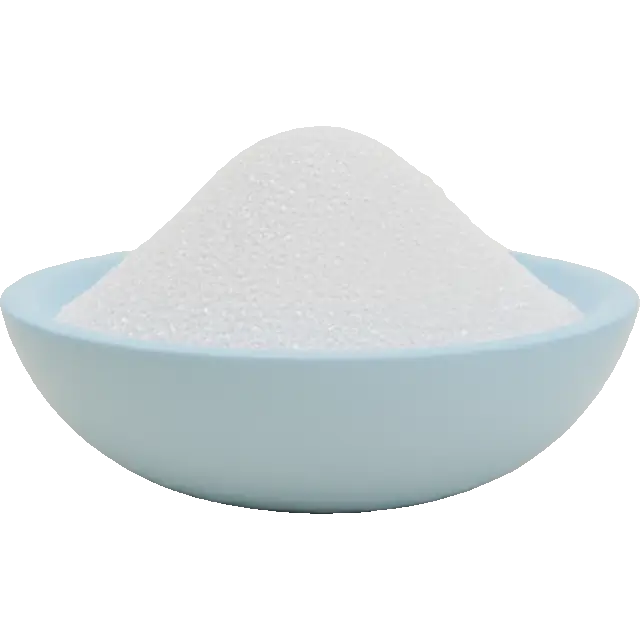
sodium phosphate
Additives & Leavening
Is sodium phosphate eoe compatible-compatible?
See whether sodium phosphate fits an eoe compatible diet, with a clear compatible-or-avoid verdict plus its FODMAP, histamine and other trigger ratings in one place.
Sensitivity notes
Why eoe compatible diet checker matters
Eosinophilic Esophagitis (EoE) dietary management often involves eliminating common trigger foods including dairy, wheat, eggs, soy, nuts, and seafood. The six-food elimination diet is commonly used to identify personal triggers.
- The six-food elimination diet removes dairy, wheat, eggs, soy, nuts, and seafood
- Systematic reintroduction with endoscopy helps identify triggers
- Milk/dairy is the most common trigger
- Work closely with your gastroenterologist and allergist
- Elemental diet may be used in severe cases
Sensitivities
What sodium phosphate contains
We have no trigger grades for this ingredient yet.
Diet fit
Where sodium phosphate fits
Therapeutic diets
What to know about sodium phosphate
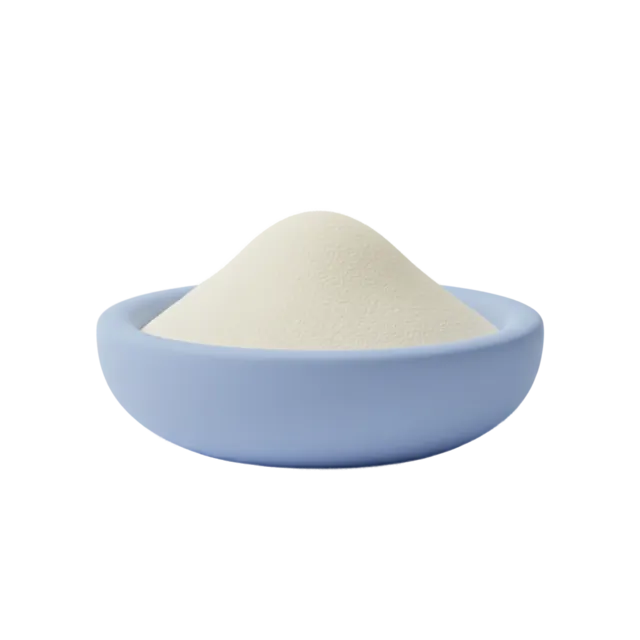
Sodium phosphate (E339) is the additive injected into chicken breast and deli meat to hold water, stirred into processed cheese, and used to leaven baked goods and thicken instant puddings. It is not an allergen and it is not a histamine, gluten or FODMAP issue. Its real significance is kidney-shaped: phosphate from additives is absorbed almost completely, while phosphorus bound up in whole foods is only partly absorbed, so label phosphate raises blood phosphate far more efficiently per milligram than the same number on a nutrition panel suggests.
Watch for
- Roughly 90 percent or more of additive phosphate is absorbed, against something closer to half of the phosphorus naturally present in meat, dairy and grains.That gap is why renal dietitians tell people to scan ingredient lists for anything containing PHOS rather than trusting the phosphorus figure
- For anyone with chronic kidney disease, high serum phosphate tracks with vascular calcification and worse outcomes, and additive phosphate is the part of intake you can actually control.With healthy kidneys the excess is cleared, and the evidence for harm is much thinner
- The bowel-prep version is a different product entirely.Oral sodium phosphate purgatives deliver a dose orders of magnitude above any food use, and were restricted after reports of acute phosphate nephropathy. Nothing about that applies to a phosphate-brined chicken fillet
- Phosphate marks water-added meat.If deli turkey or brined chicken is a trigger for you, look at what else is in that brine, because nitrite-cured products and high-glutamate seasonings usually ride along with it





Explore related in Additives & Leavening
Compare similar foods to build a personalized list of swaps that work for your system.

EoE Compatible Guide
Everything you need to know about eoe compatible compatibility and smart food choices.
Eosinophilic Esophagitis (EoE) dietary management often involves eliminating common trigger foods including dairy, wheat, eggs, soy, nuts, and seafood. The six-food elimination diet is commonly used to identify personal triggers.
These foods are typically compatible with a EoE Compatible approach:
View all safe options






Practical guidance for following a EoE Compatible diet:
- 1The six-food elimination diet removes dairy, wheat, eggs, soy, nuts, and seafood
- 2Systematic reintroduction with endoscopy helps identify triggers
- 3Milk/dairy is the most common trigger
- 4Work closely with your gastroenterologist and allergist
- 5Elemental diet may be used in severe cases
Pro tip: Keep a food diary to track your reactions. The Triggerbites app makes this easy with automatic pattern detection.
Want personalized tracking?
Download Triggerbites to log meals, track symptoms, and discover your unique triggers.
Get the AppFAQ
Does sodium phosphate fit an eoe compatible diet?
EoE Compatible: no rating yet.
What if I eat it occasionally?
No rating yet - check ingredients and test.
What are safer swaps?
Compare within the Additives & Leavening group.