
Overview
About DASH Diet
DASH diet compatibility shows how foods fit a heart-healthy, lower-sodium pattern rich in whole grains, beans, low-fat dairy, and fruit and lighter on salt.
The DASH diet (Dietary Approaches to Stop Hypertension) is designed to help lower blood pressure. It emphasizes fruits, vegetables, whole grains, and lean proteins while limiting sodium, red meat, and added sugars.

In the data
What the grading picks up

- About 90% saturated fat, the highest of the common cooking oils, so it is not a Mediterranean or DASH-friendly fat to lean on daily
- Very high in nitrites from the curing salts (sodium nitrite), a frequent trigger for headaches and facial flushing
- It is refined added sugar, so it rates as pro-inflammatory and does not fit DASH or Mediterranean patterns
- No fibre left to buffer the sugar load, making it a poor choice for SIBO and for low-FODMAP or DASH eating

Examples
A few ingredients either way
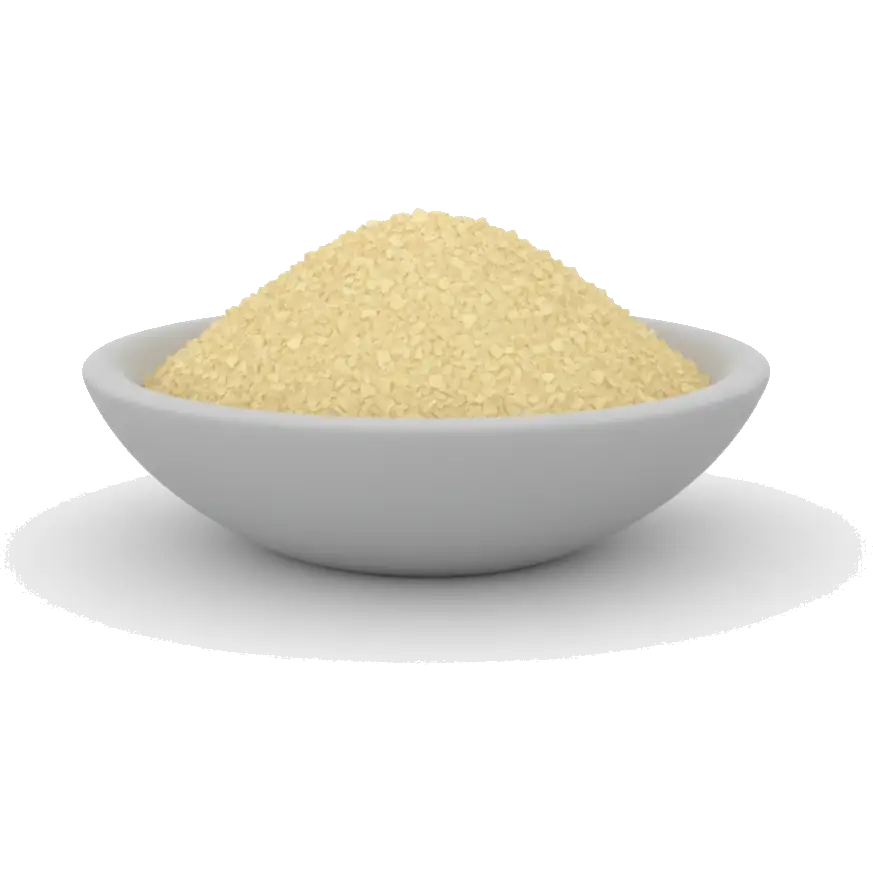
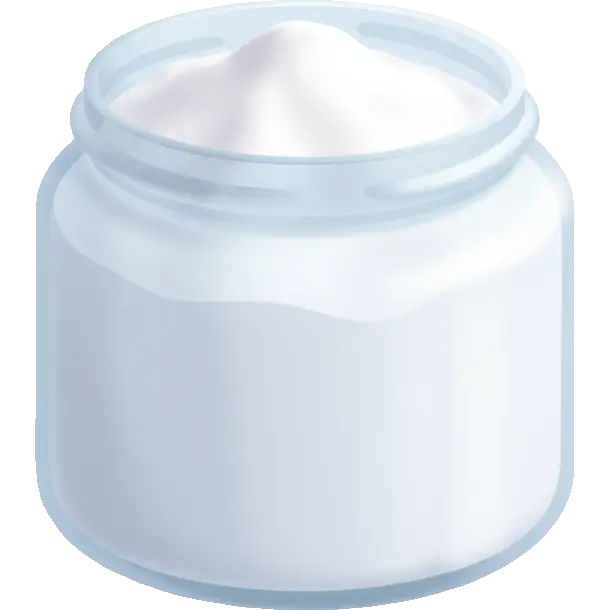
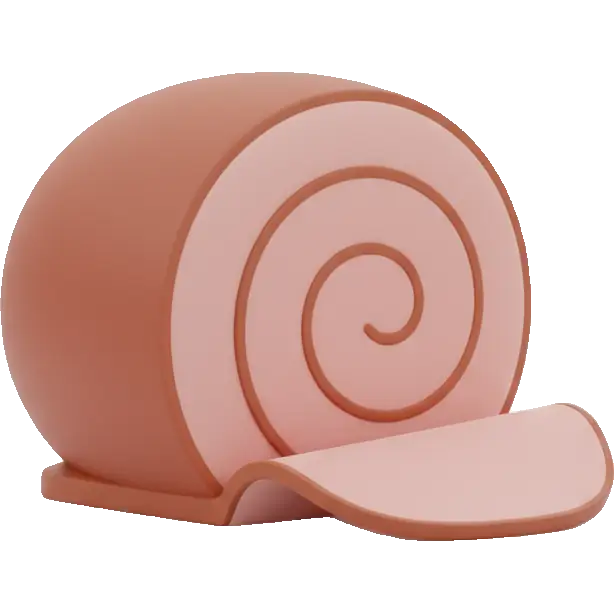
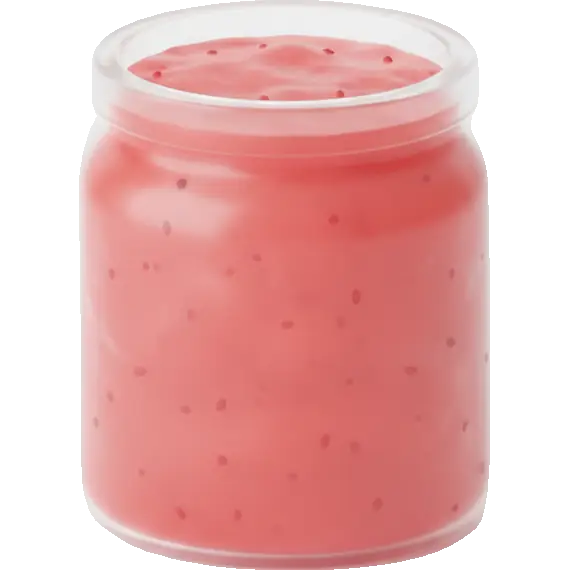





Grading
How we grade DASH Diet
Every ingredient in the database carries one grade for DASH diet, and this page, the checker and the app all read that same grade. It describes the ingredient as it is usually eaten. Portion size and preparation move it.
DASH Diet is kept as a matter of degree. In the app, a borderline ingredient shows on the ingredient screen without counting against the day.

Practical
Following DASH Diet
- Aim for less than 2,300mg sodium per day.
- Focus on potassium-rich foods like bananas, potatoes, and leafy greens.
- Aim for 4-5 servings each of fruits and vegetables daily
- Choose whole grains over refined grains
- Limit sodium to 2300mg/day, ideally 1500mg
- Include low-fat dairy for calcium and potassium
- Nuts, seeds, and legumes several times per week

Method
Test it with a diary
Most people find their own triggers by logging meals and symptoms for a few weeks and reading the result back. Three steps.
- 1Log every meal for a few weeks. Type it, say it out loud, or scan a barcode, and it lands as a list of ingredients.
- 2Rate how you feel through the day on whatever you are tracking, whether that is bloating, headaches, skin or sleep.
- 3Read the pattern back. Every ingredient you logged is scored against the days you felt worse, and the result ranks DASH diet against everything else you eat.

Read next
Where to go next

References
DASH Diet sources
Where the DASH diet grades come from: food composition databases, clinical guidelines and patient organisations.

3 sources from peer-reviewed research, regulatory bodies, and clinical guidelines.
Get started
Following DASH Diet?
Log what you eat and how you feel, and the app finds the pattern for you. Or look an ingredient up here first.
 Get the app