Low-histamine foods you can actually eat
Histamine lists make it feel like everything is off-limits. It isn't - most of what you eat is naturally low in histamine.
Read enough about histamine intolerance and it starts to feel like there's nothing left to eat. The lists of foods to avoid are long, and they tend to crowd out a much more important fact:
Most foods are naturally low in histamine. The great majority of what goes on a plate is fine. This post is the reassuring half of the picture - the foods you can actually eat.
Why most foods are low in histamine
Histamine builds up in food over time - through aging, fermentation, curing and storage, as bacteria break down proteins.2
The flip side of that rule is the good news: a food that's fresh - freshly cooked, freshly bought, not aged or fermented - is almost always low in histamine. Freshness decides this more than the name of the food does. Fresh meat, fresh-cooked eggs, most fresh fruit and vegetables, fresh dairy, plain grains - the everyday building blocks of meals - sit naturally at the low end.
This matters because histamine intolerance is a threshold: it's the balance between histamine coming in and your capacity to clear it.1 Building meals from low-histamine foods keeps the incoming side low - which leaves you headroom to spend elsewhere.
The low-histamine foods
Below is a selection of common, everyday foods that are naturally low in histamine - drawn directly from the Triggerbites ingredient database.

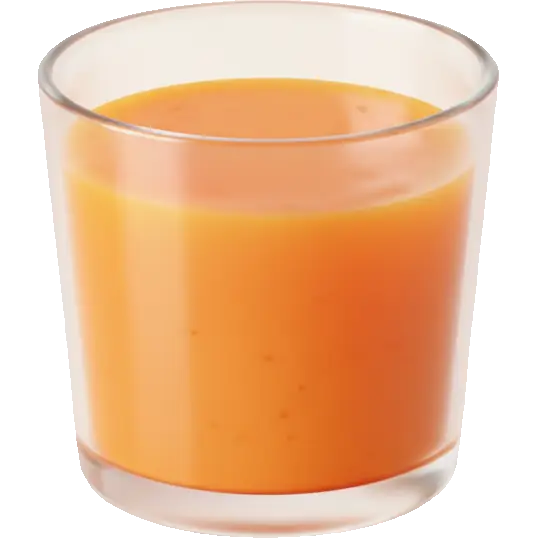

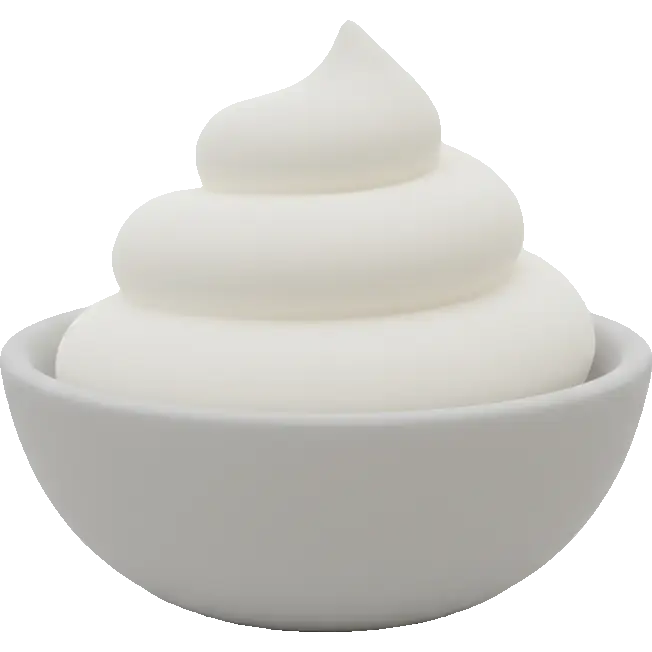
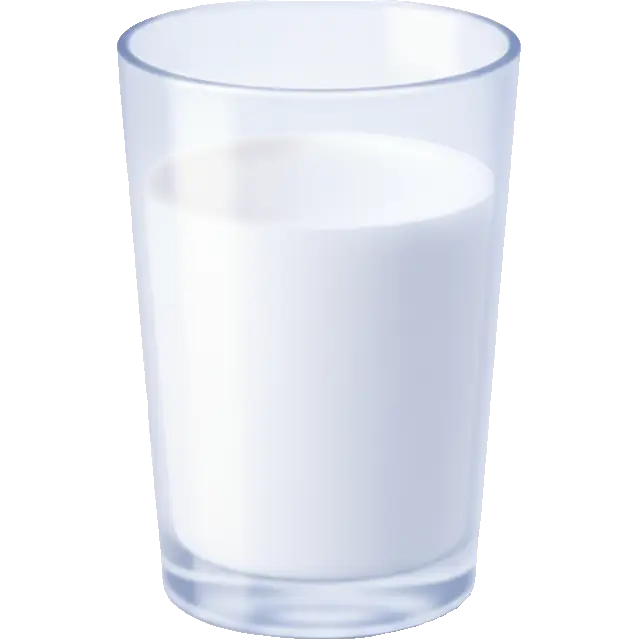
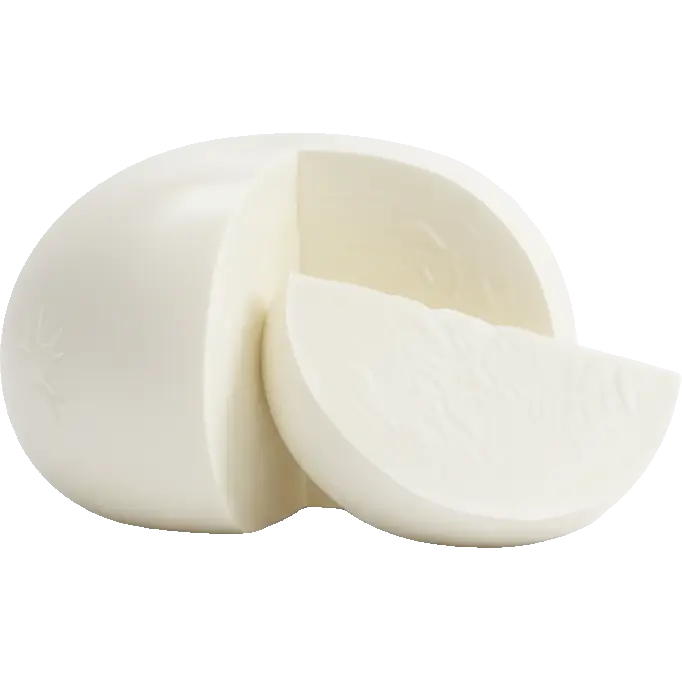

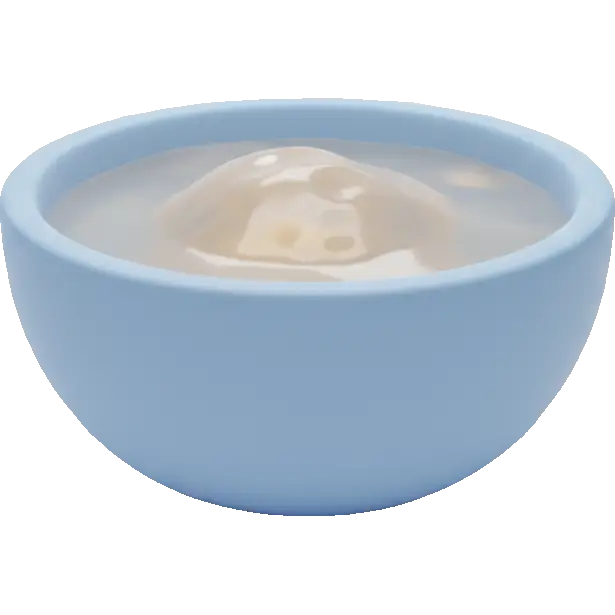
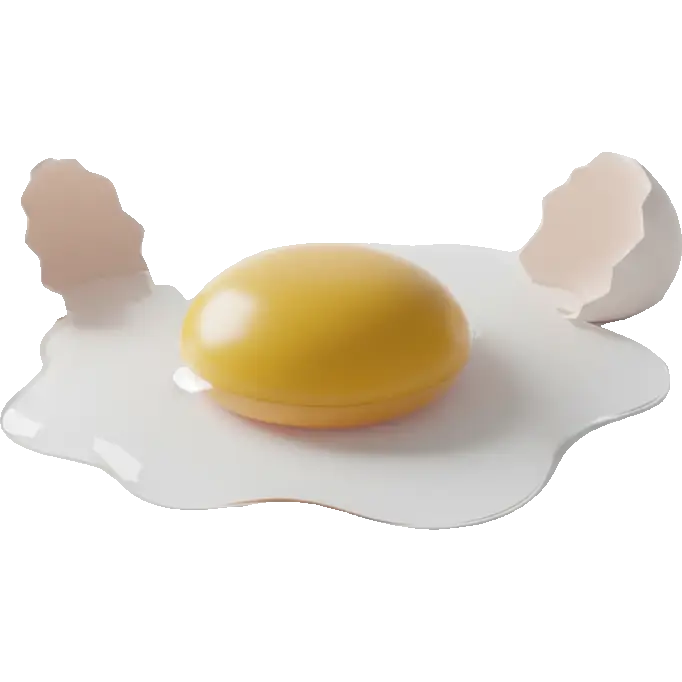
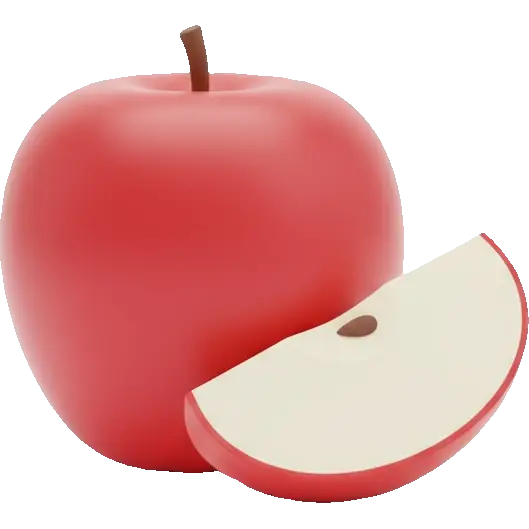

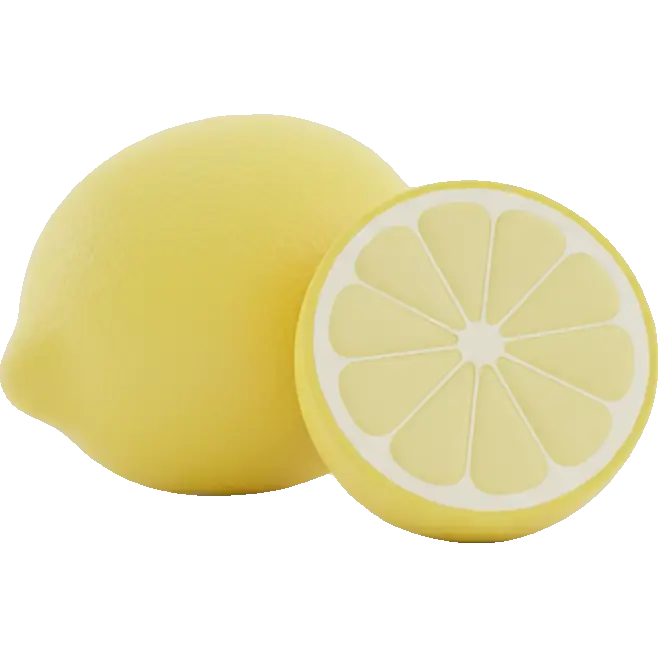

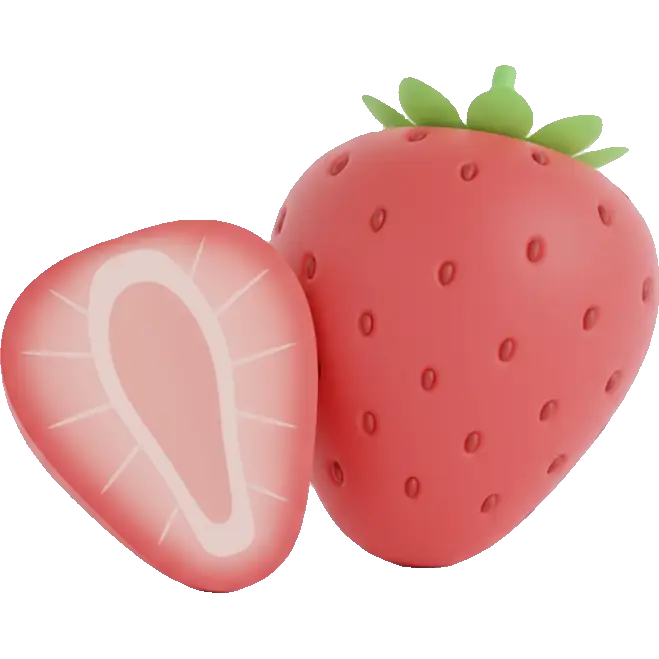
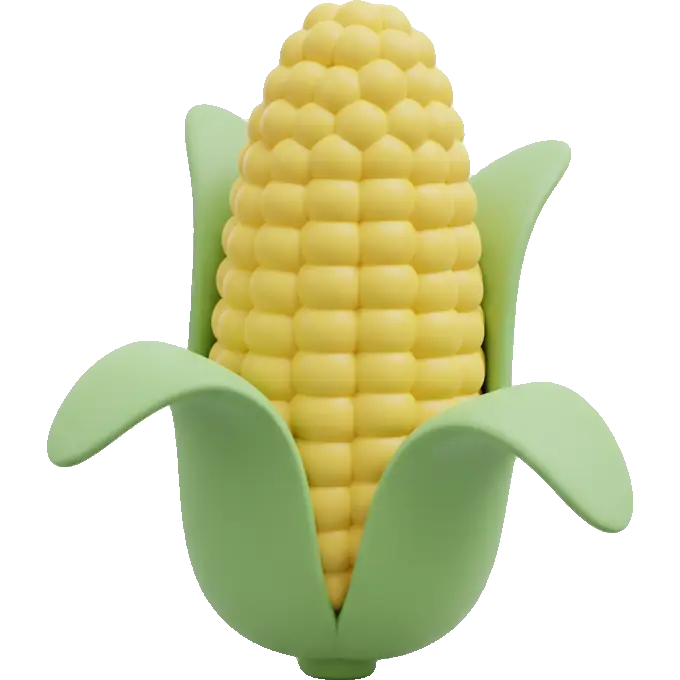


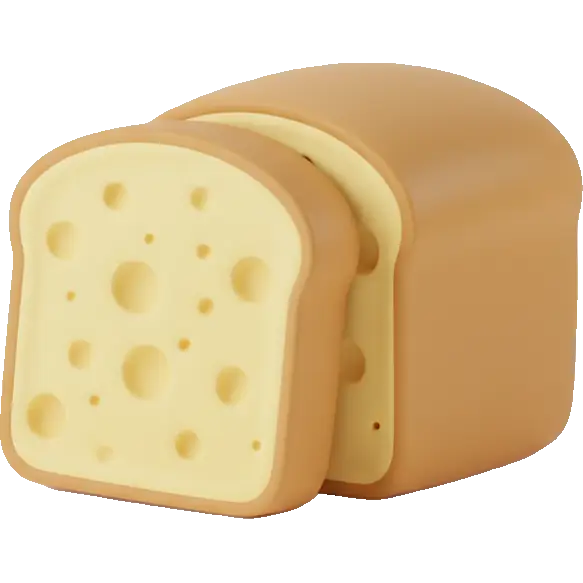
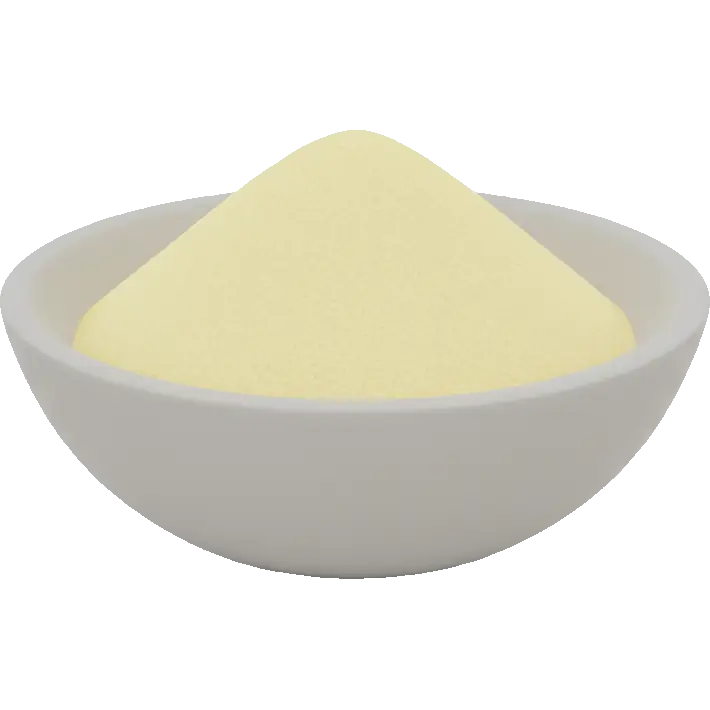
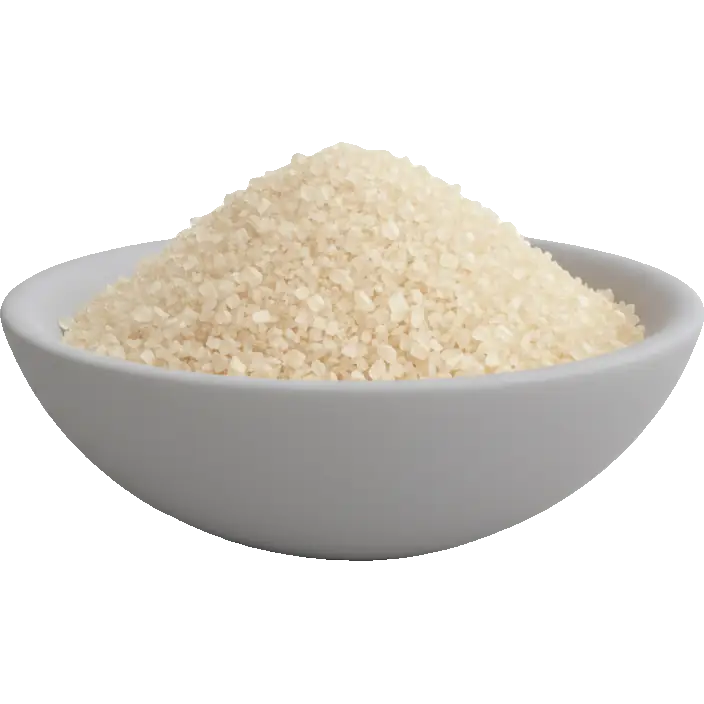

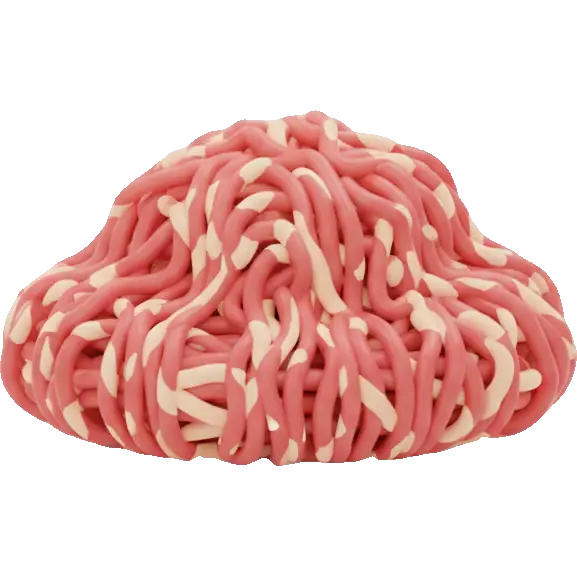

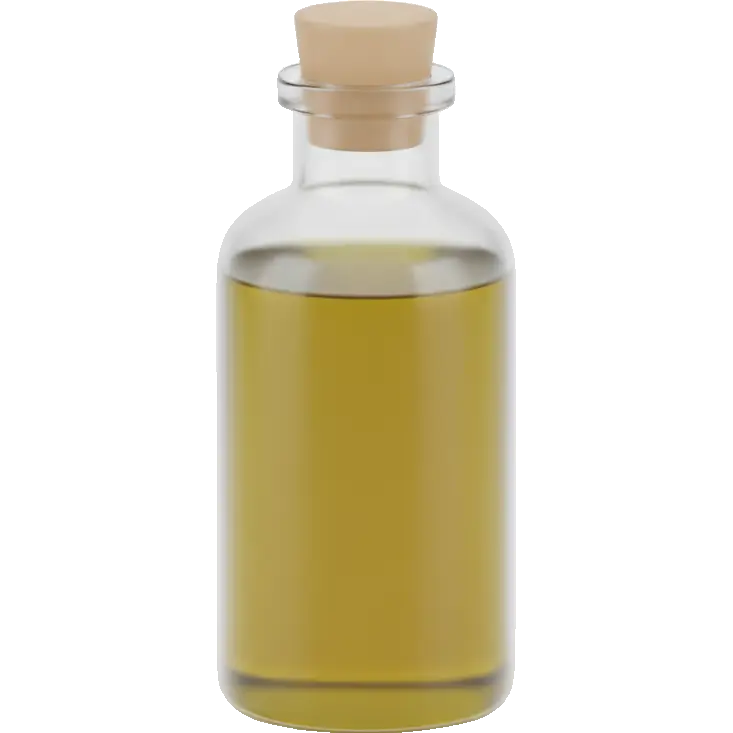

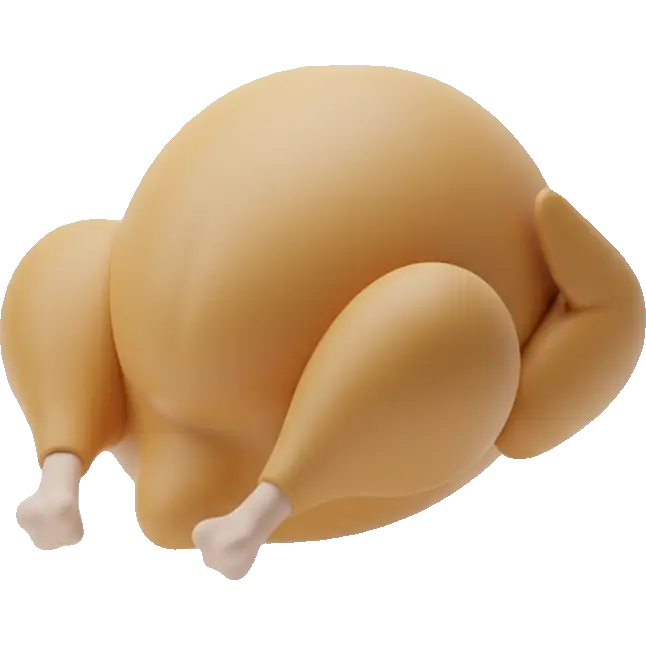
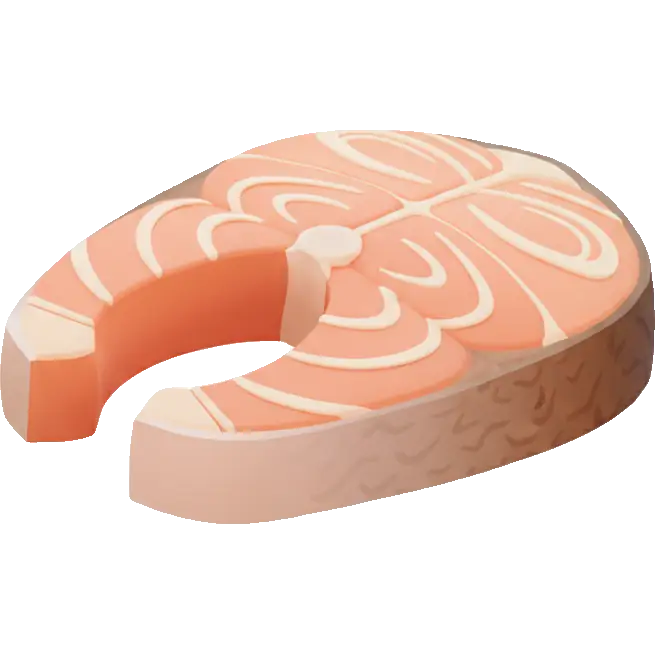
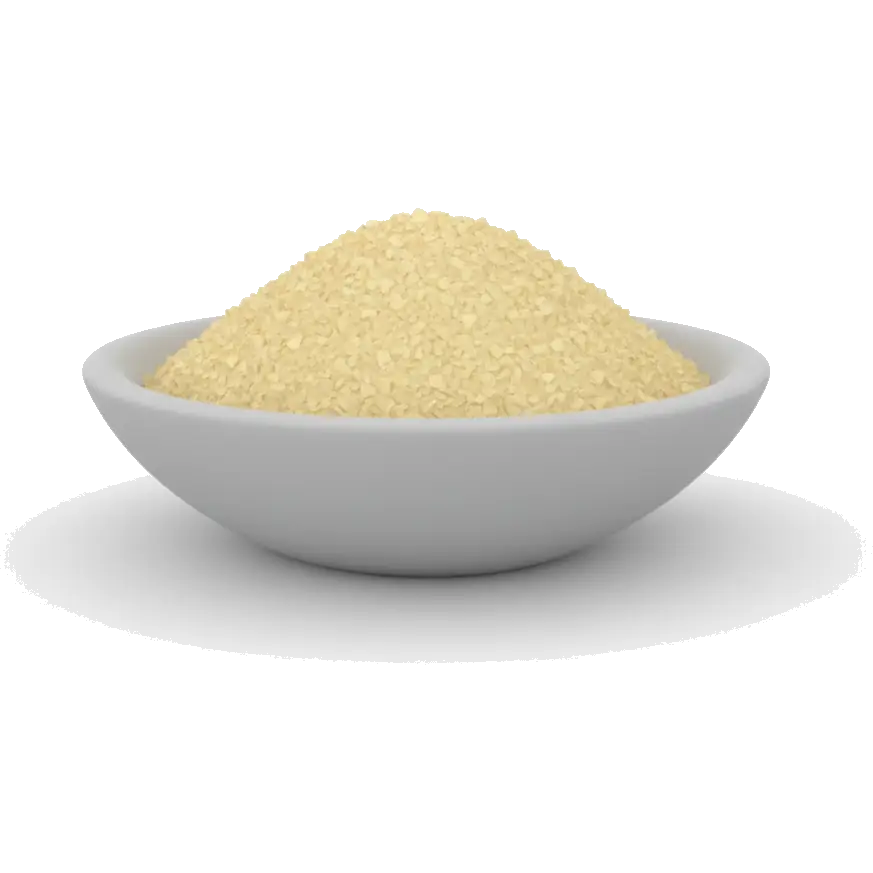
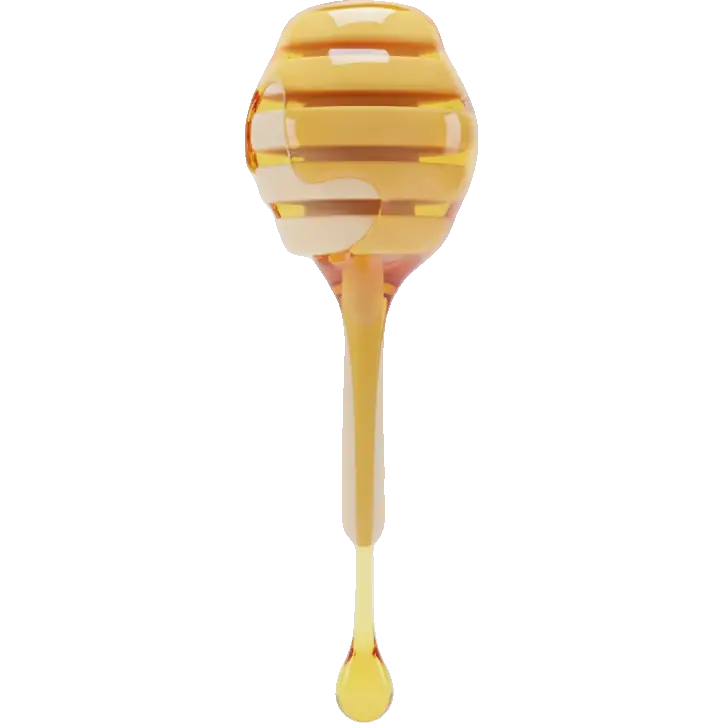
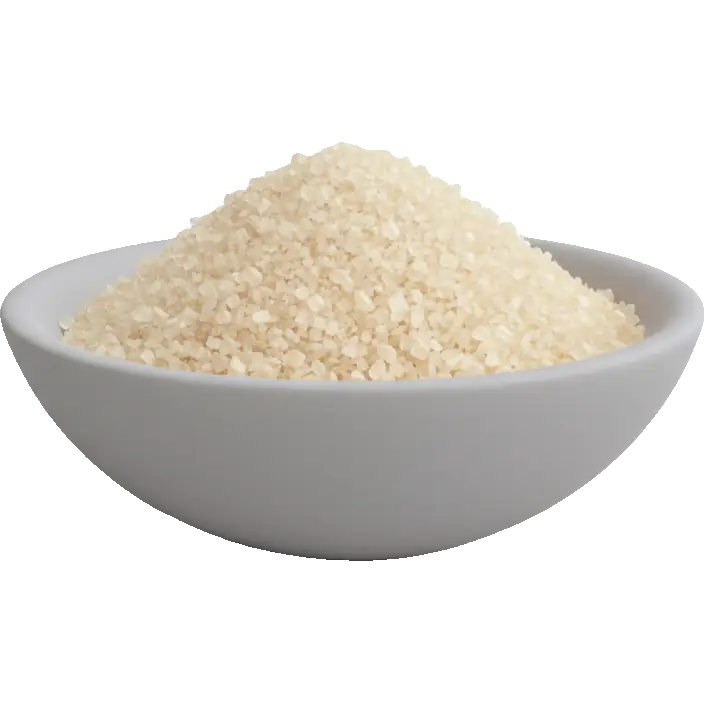
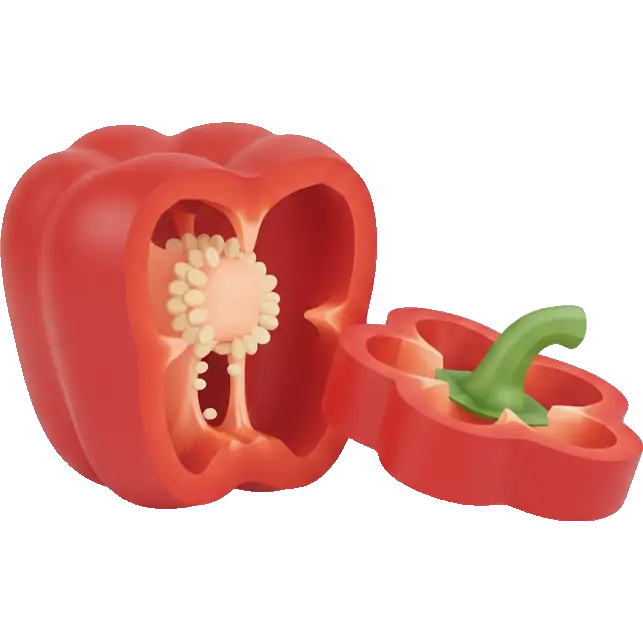


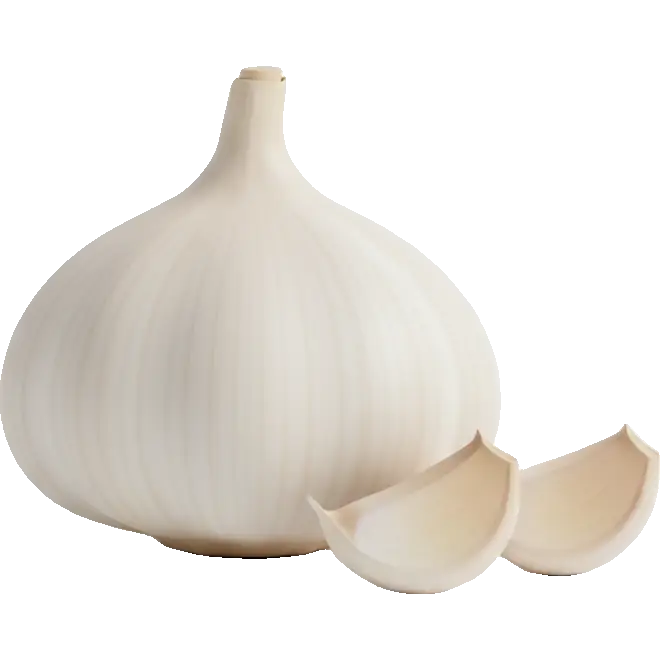
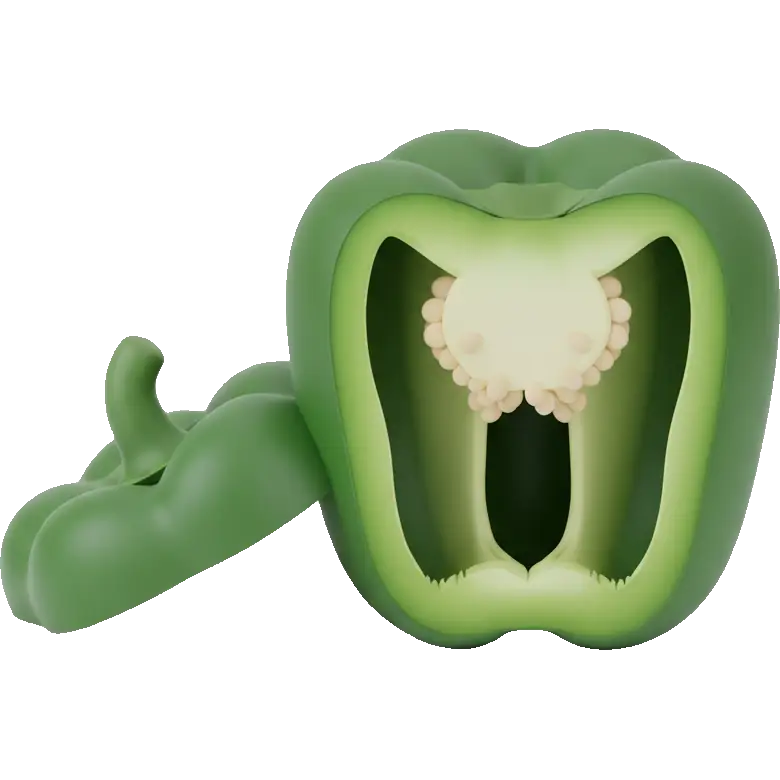
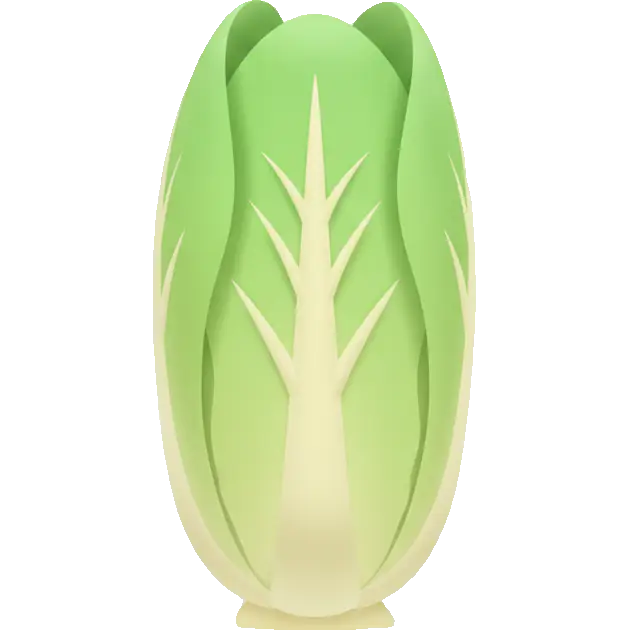
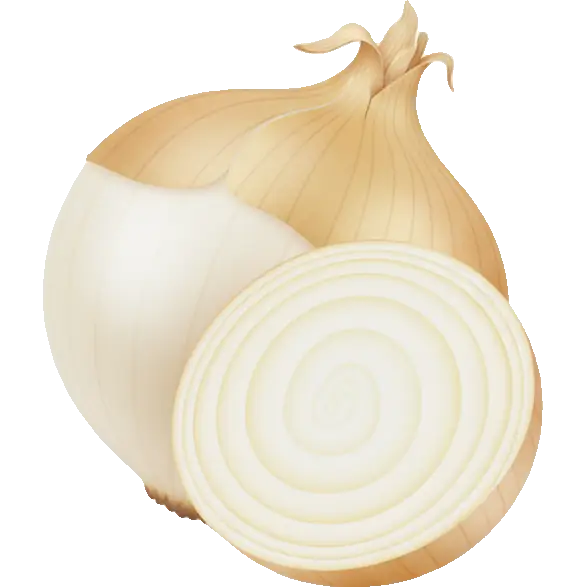
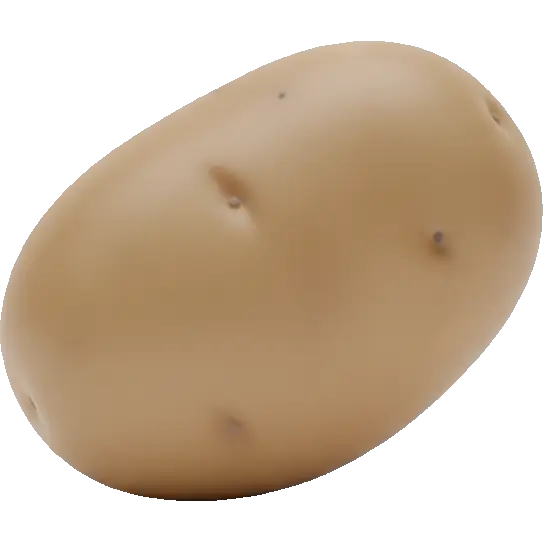
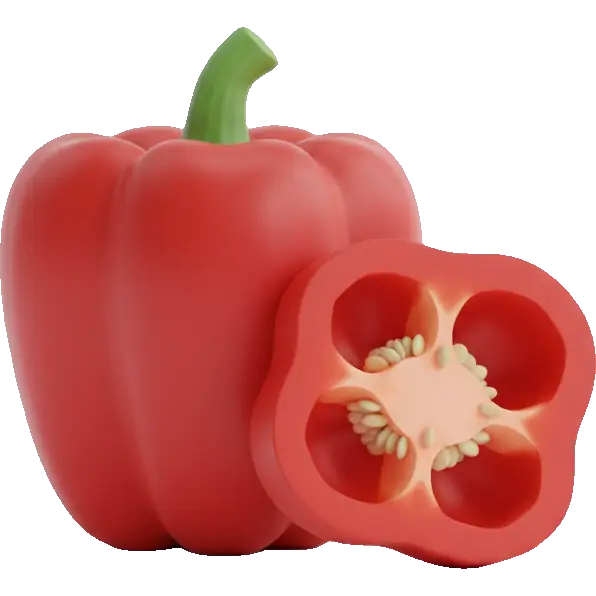
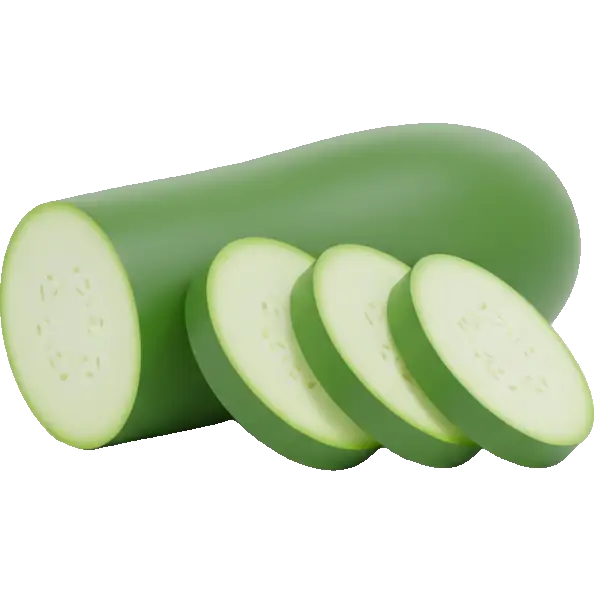
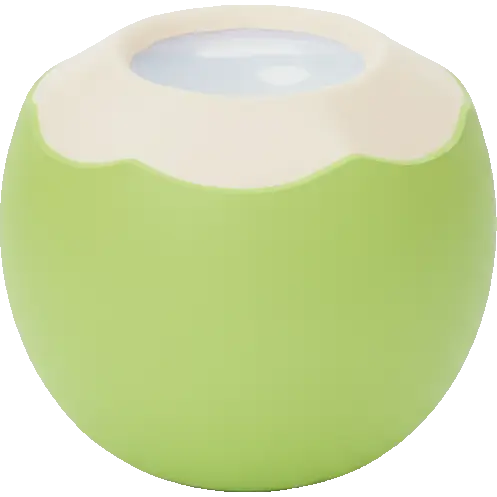
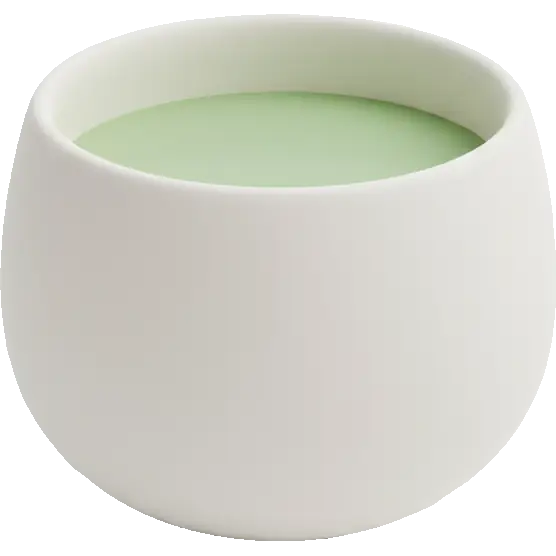
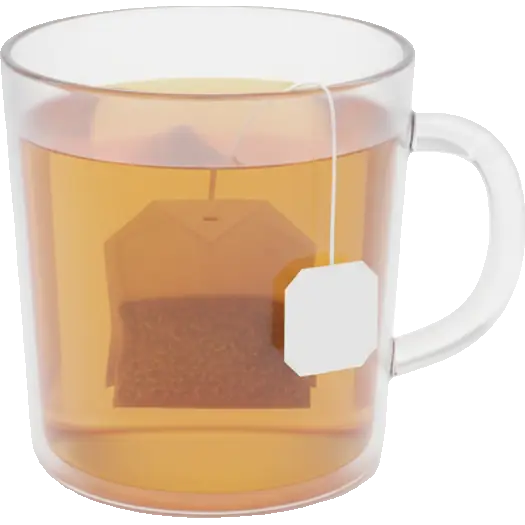
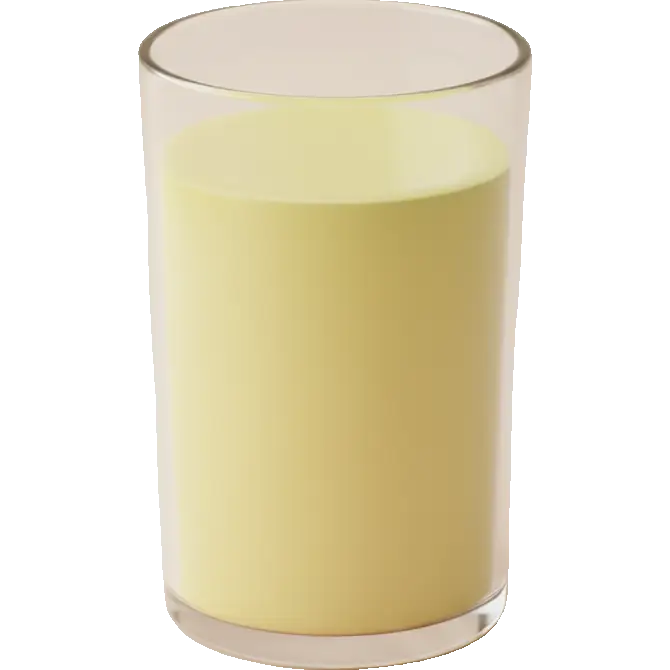
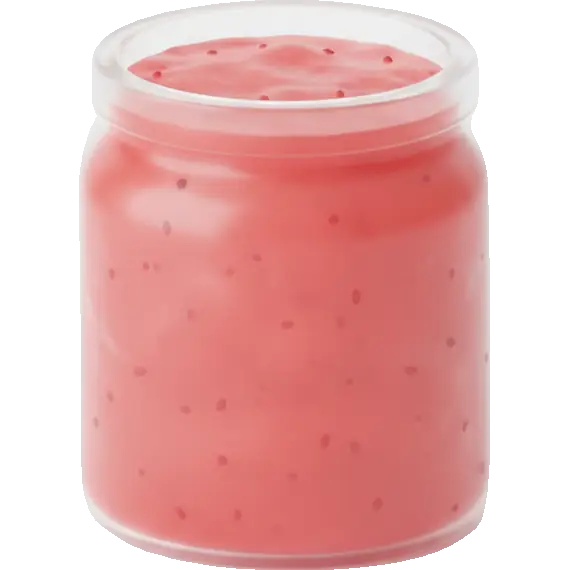
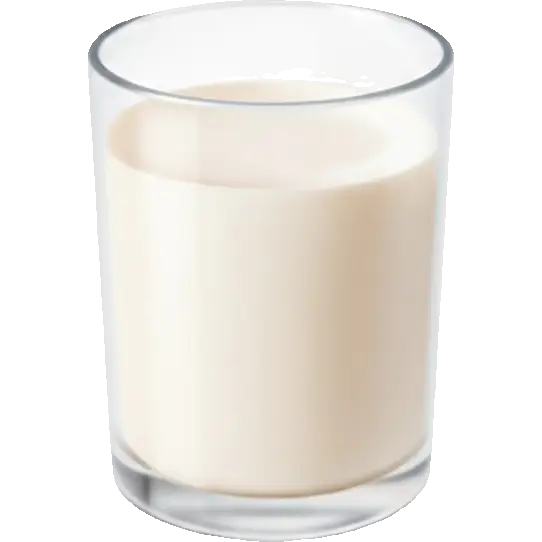
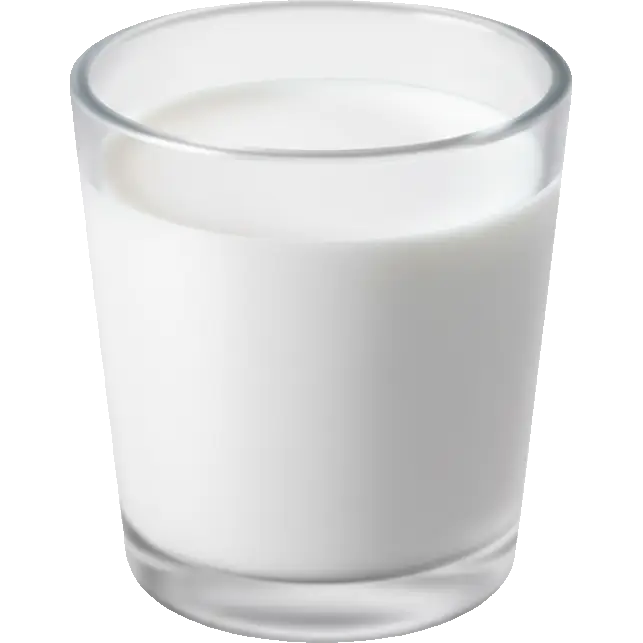
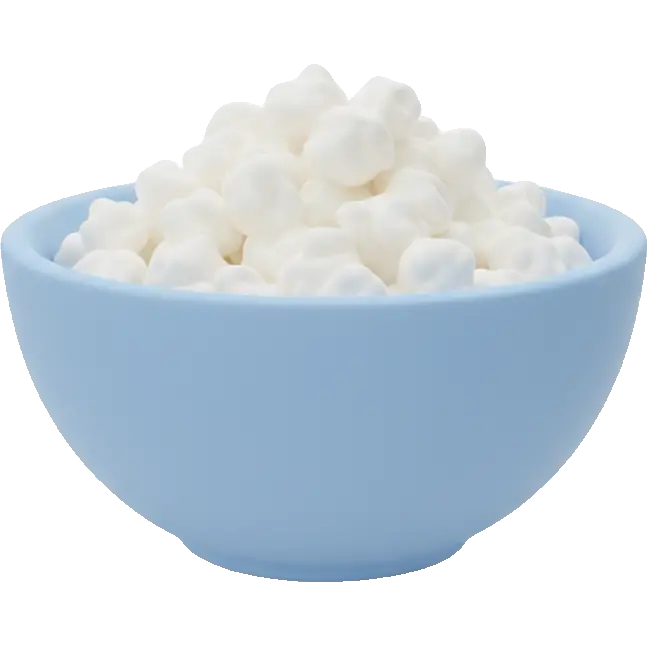
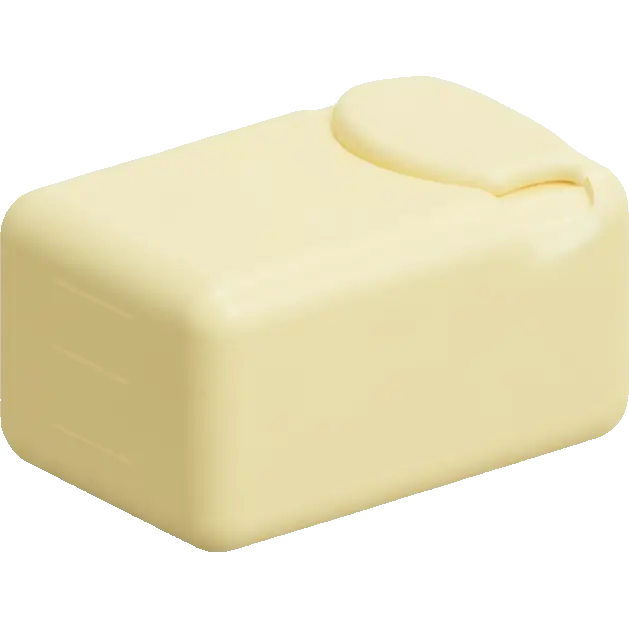
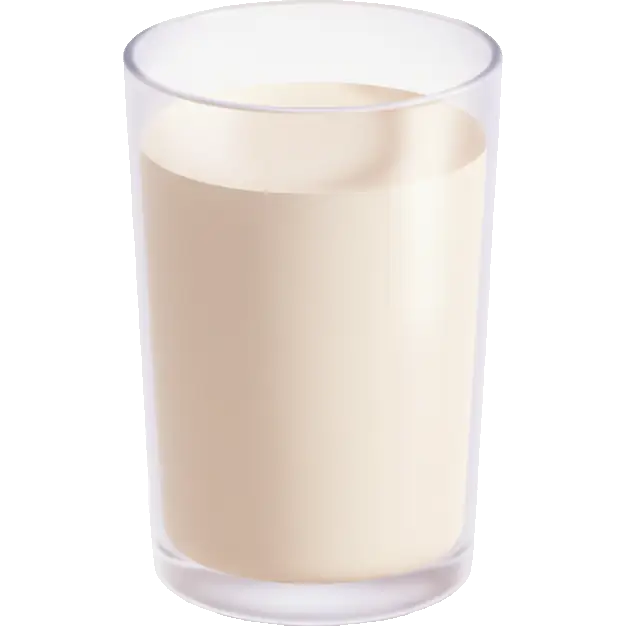
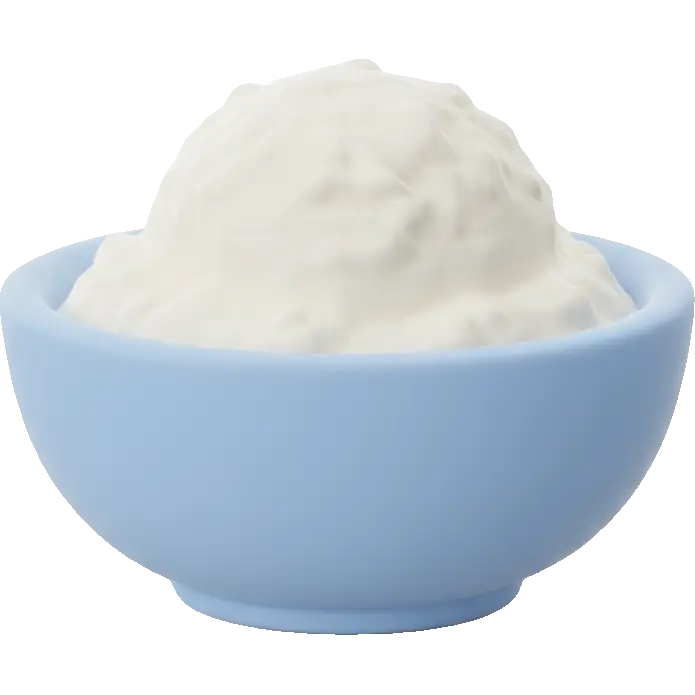
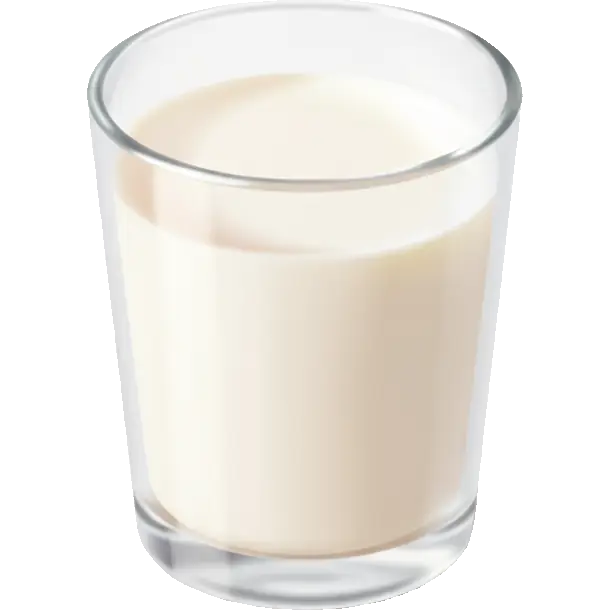
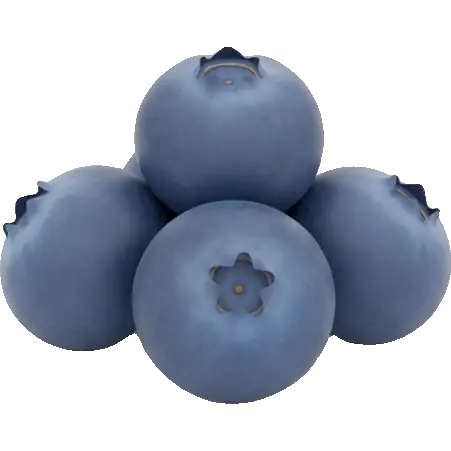
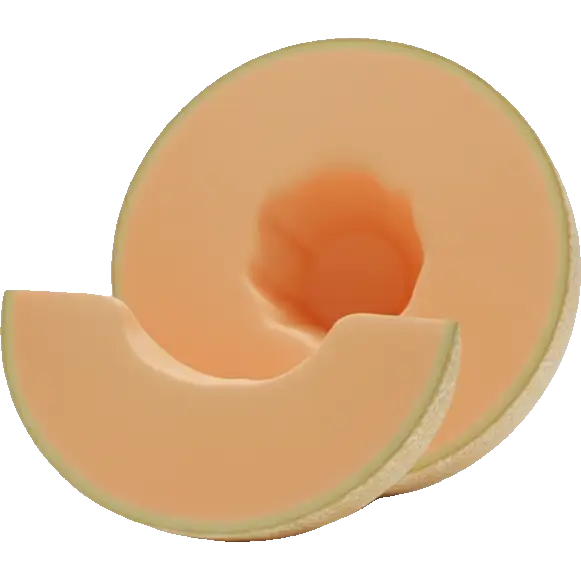
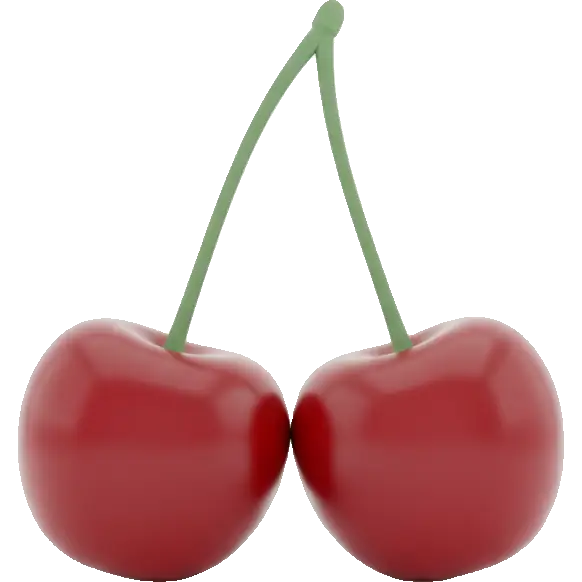
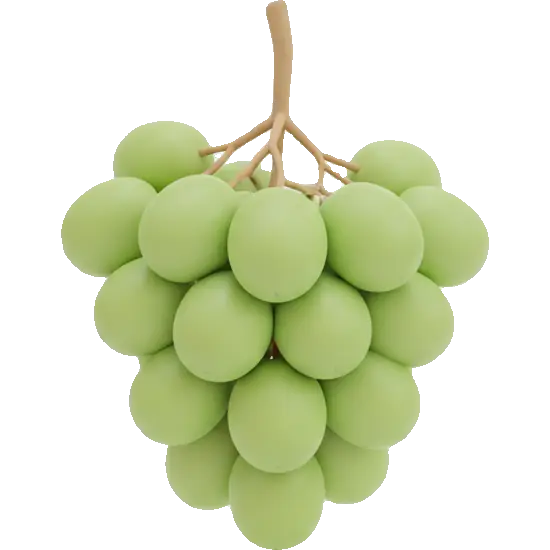
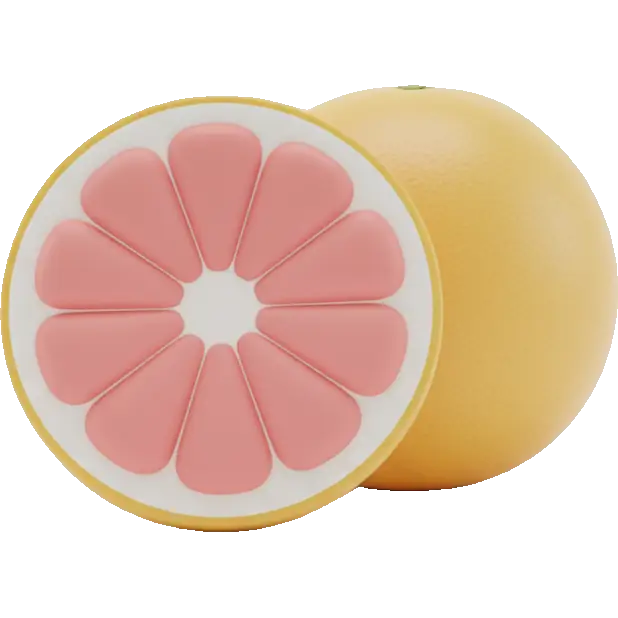
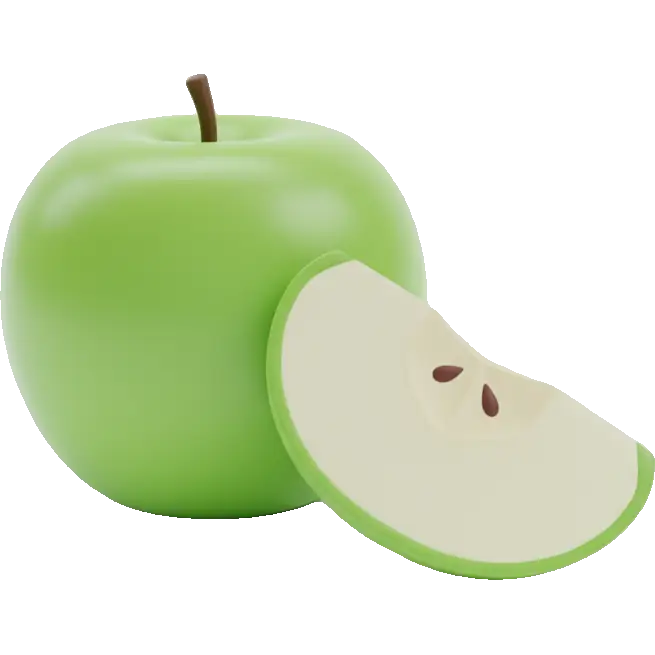
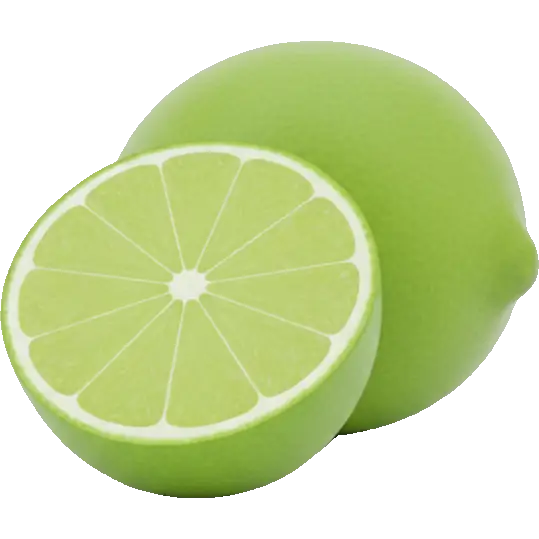
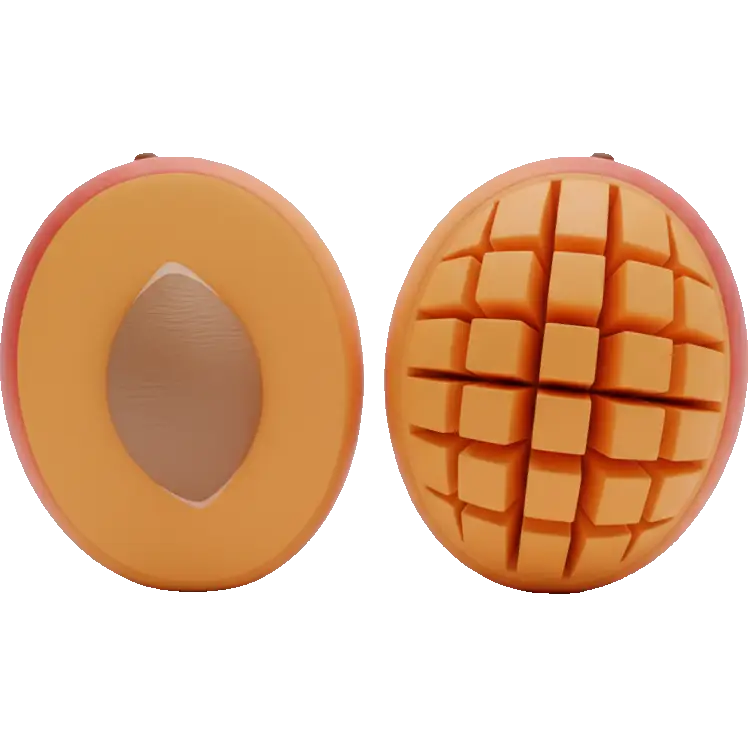
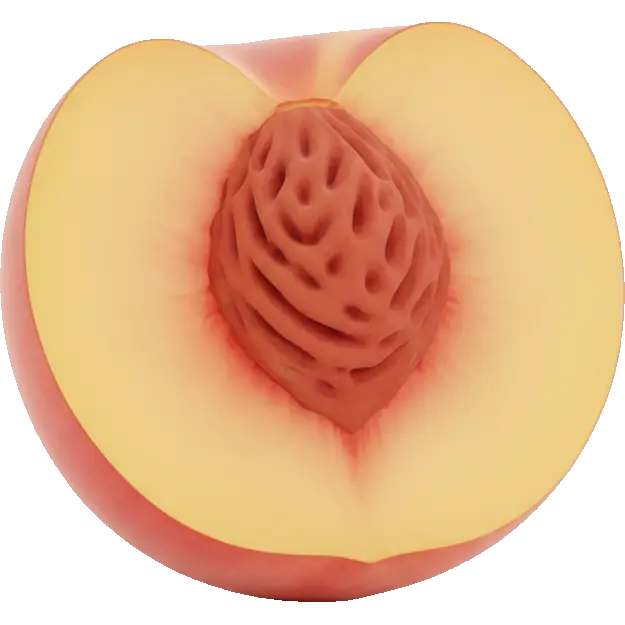
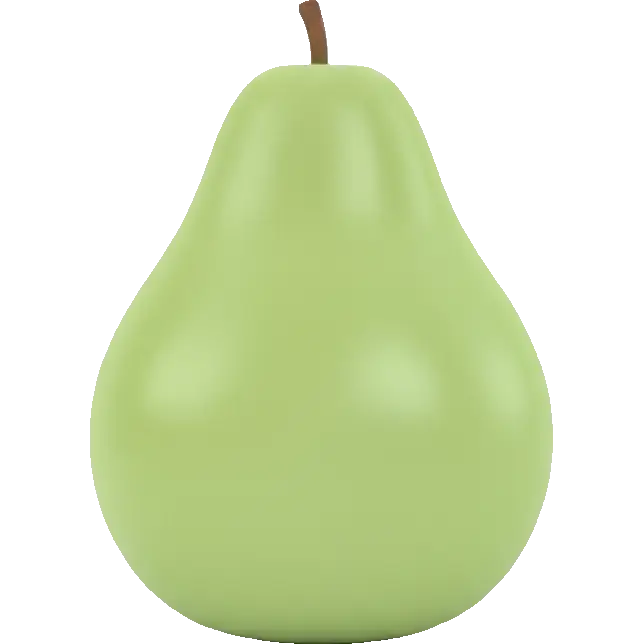
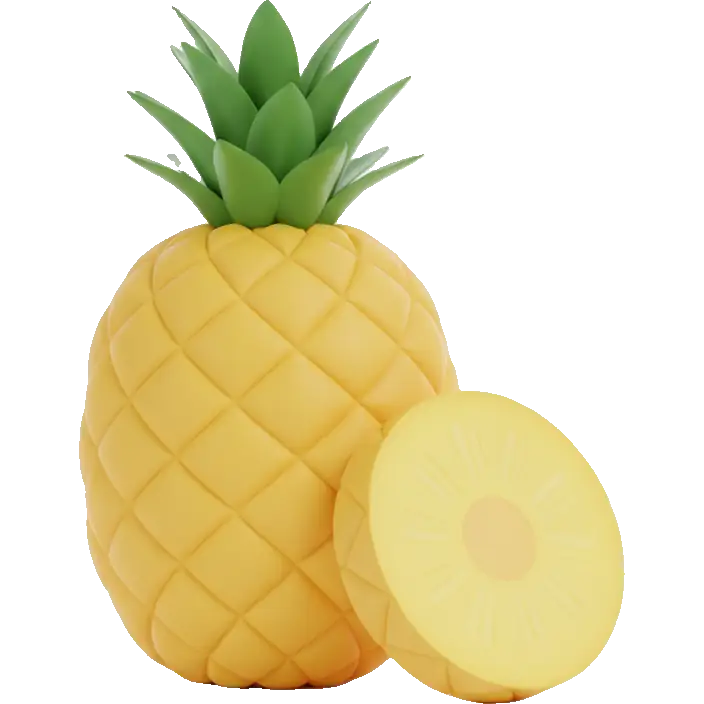
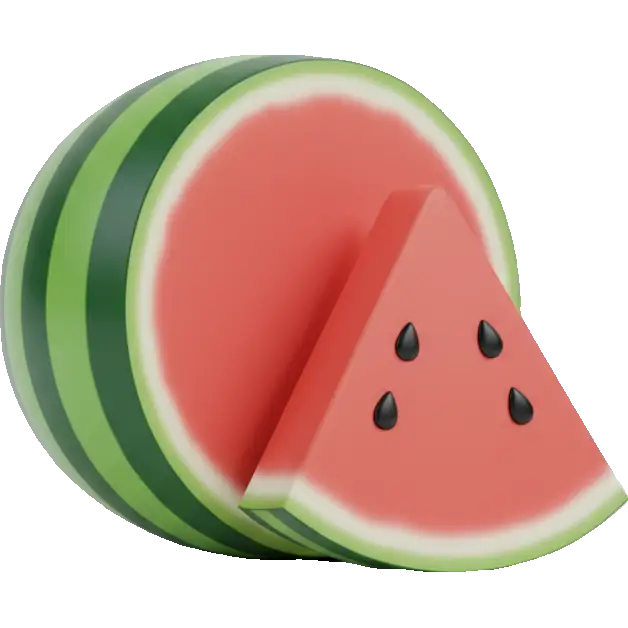
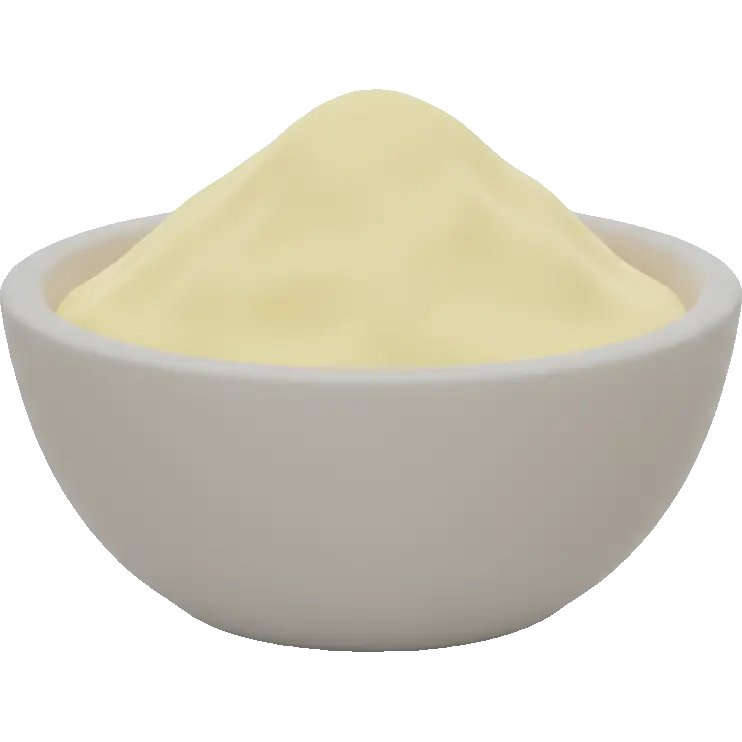
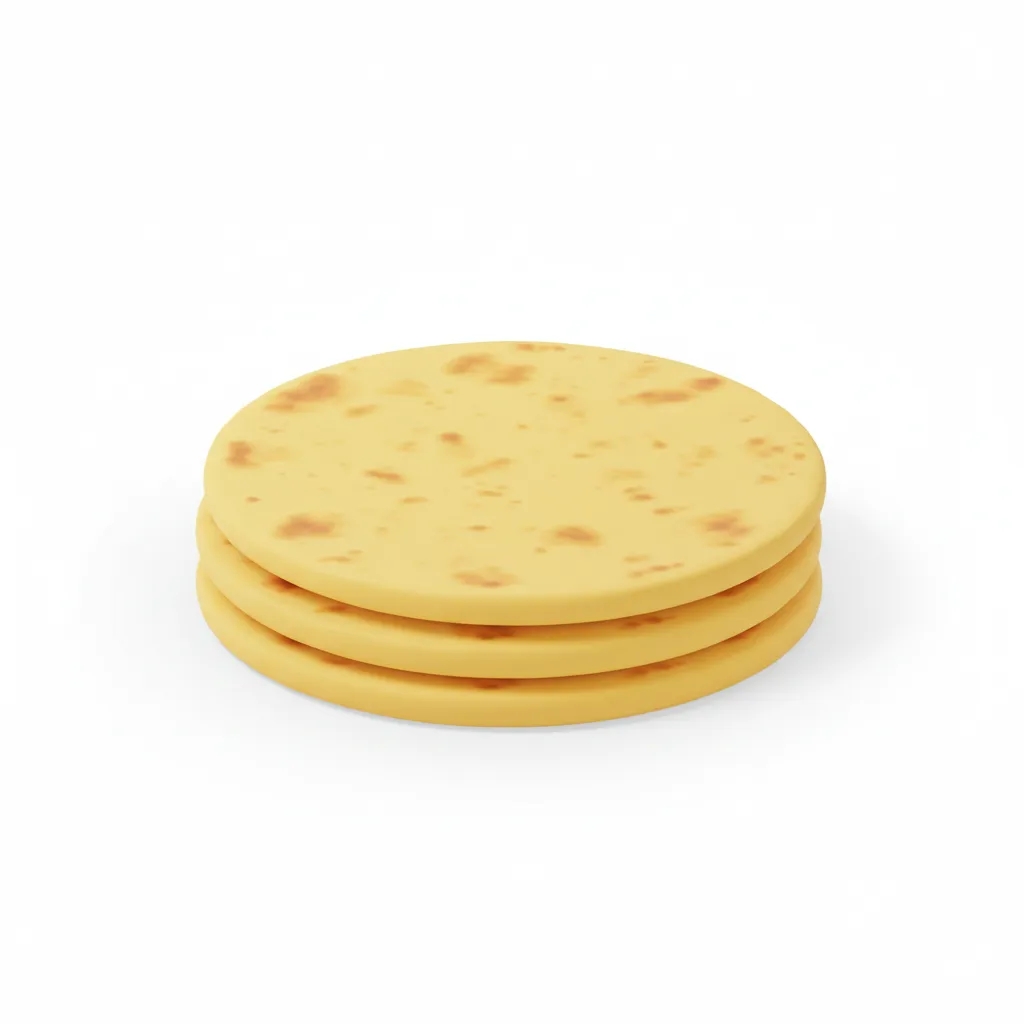
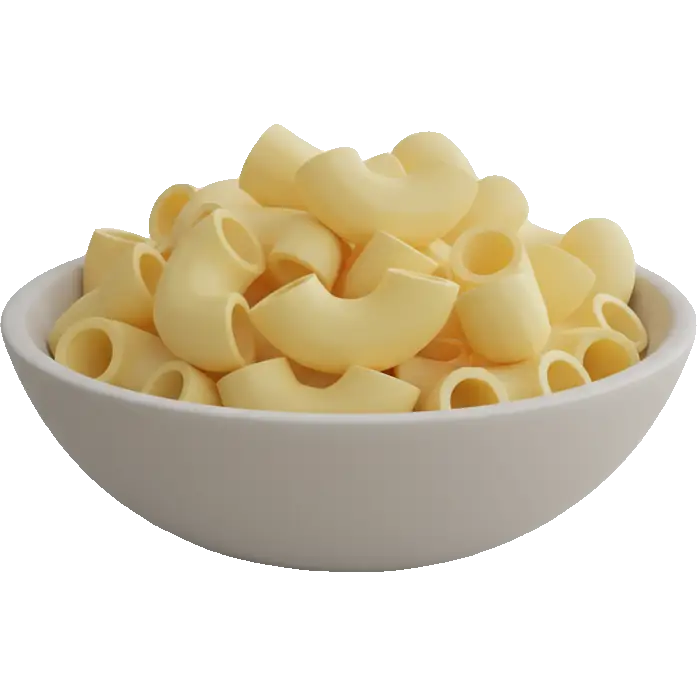
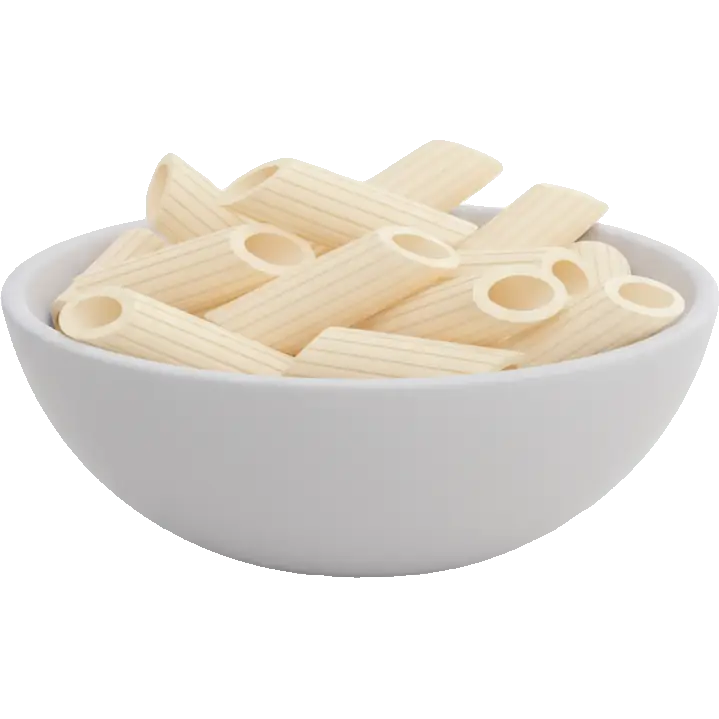
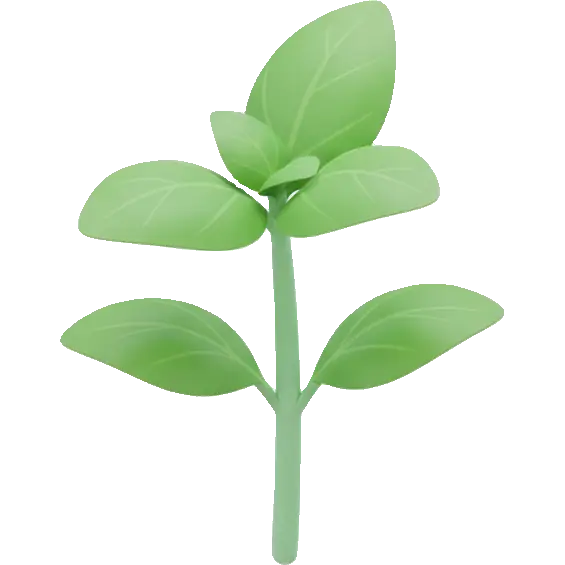
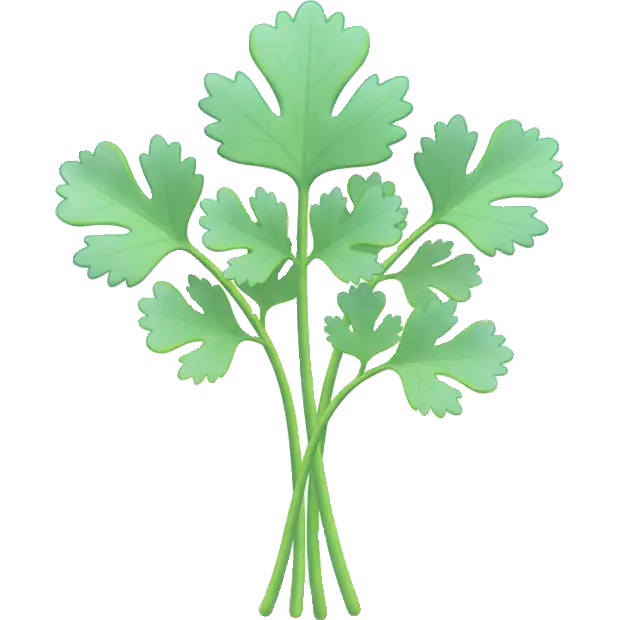


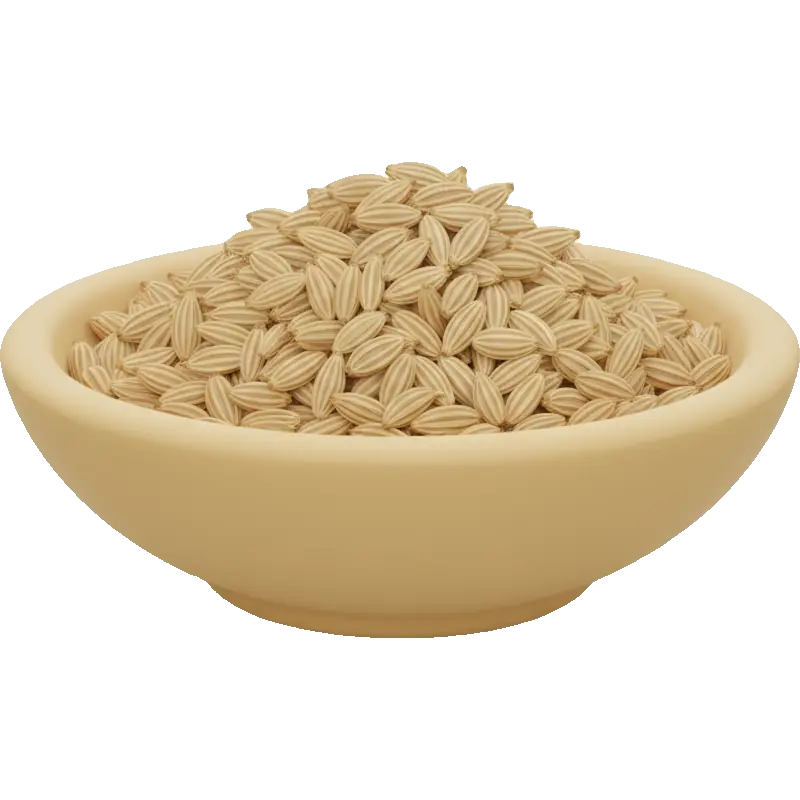
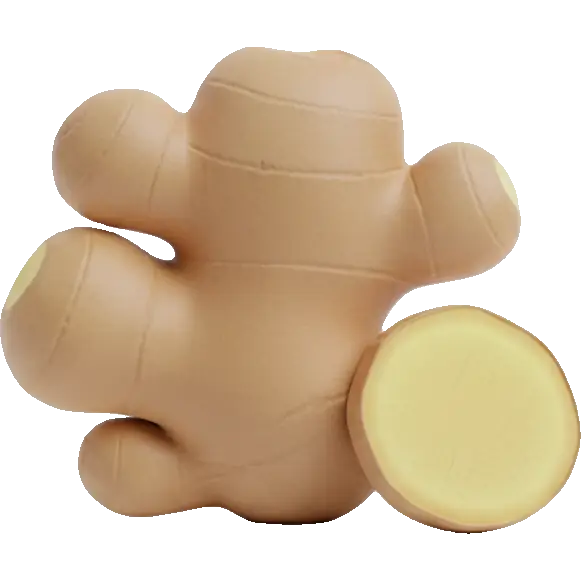
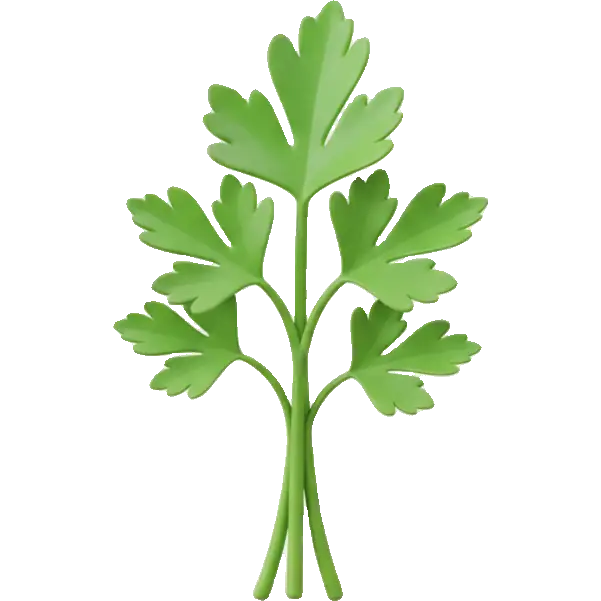
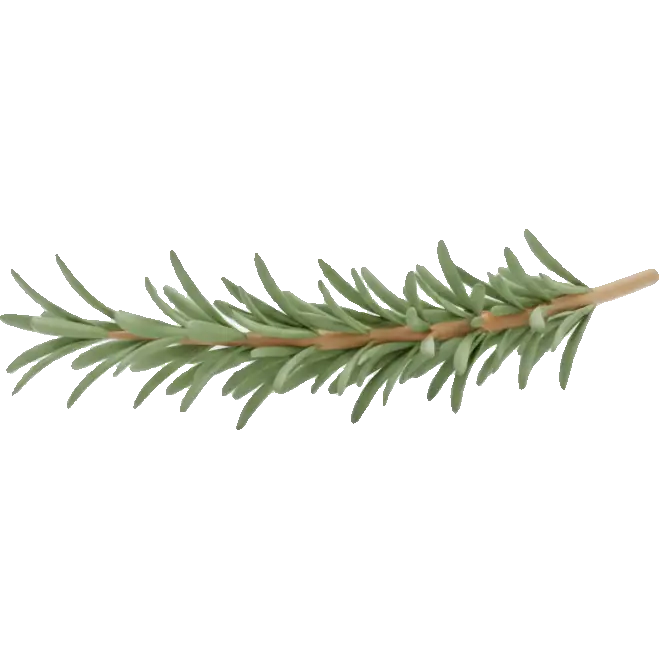
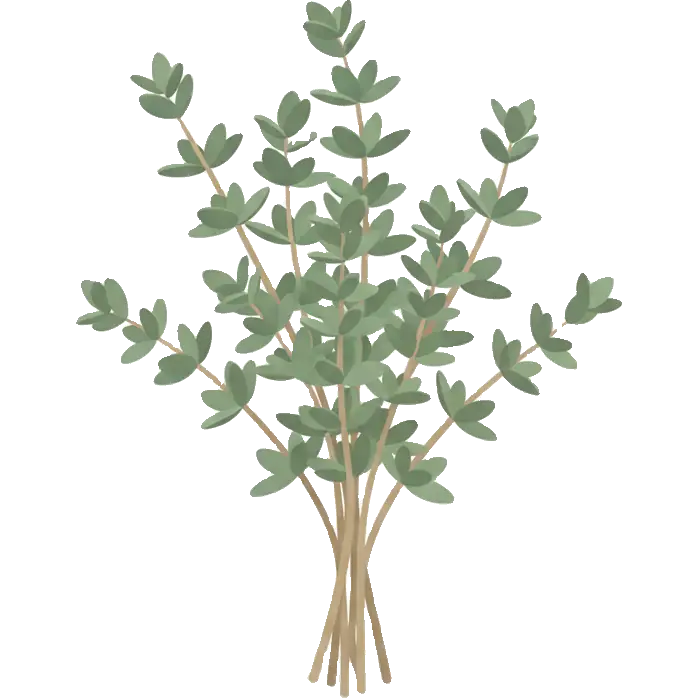
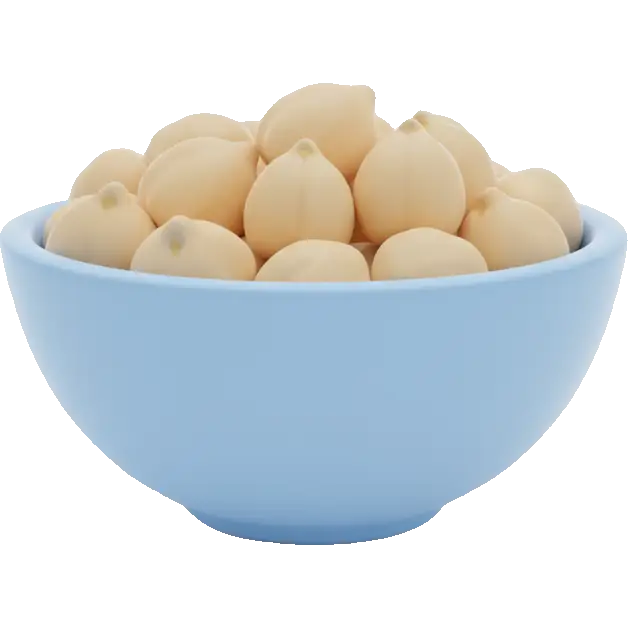
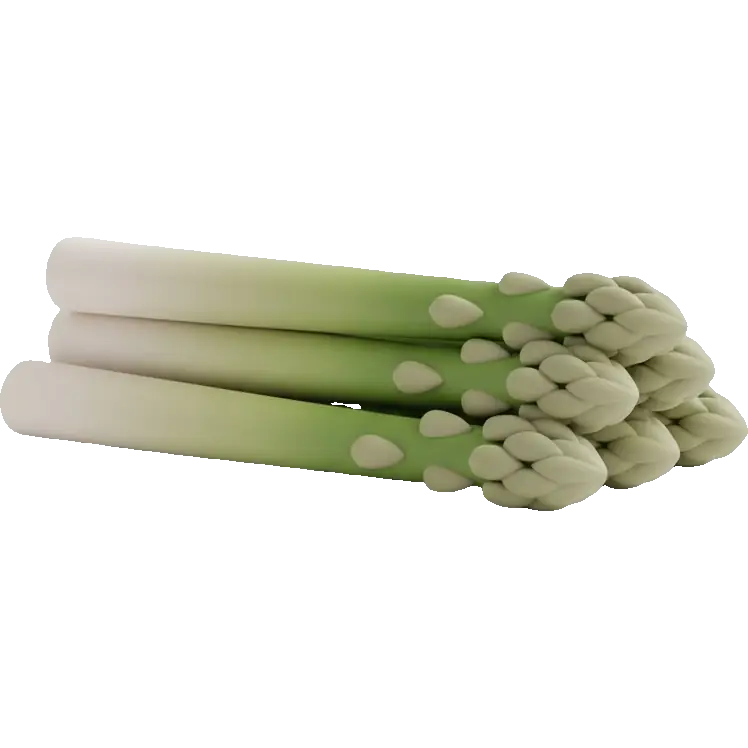
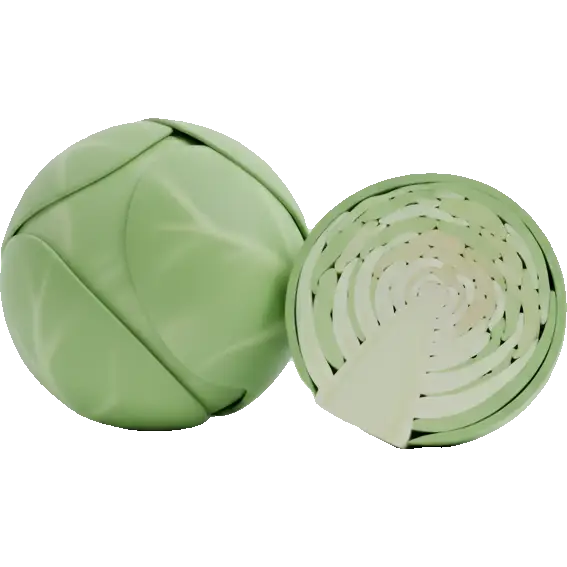
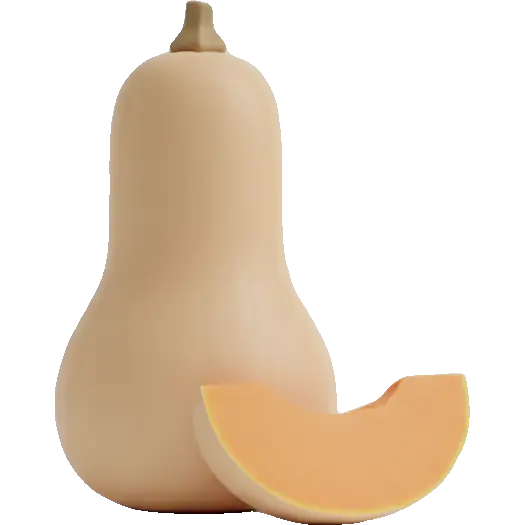
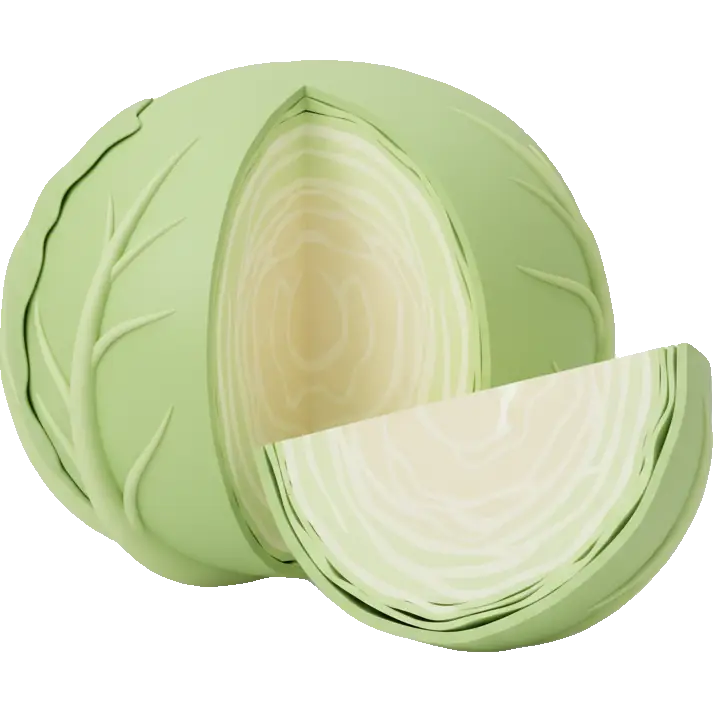
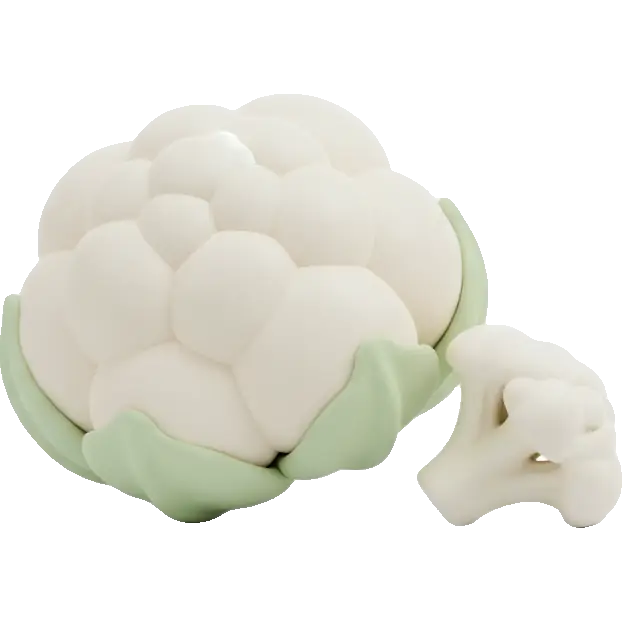
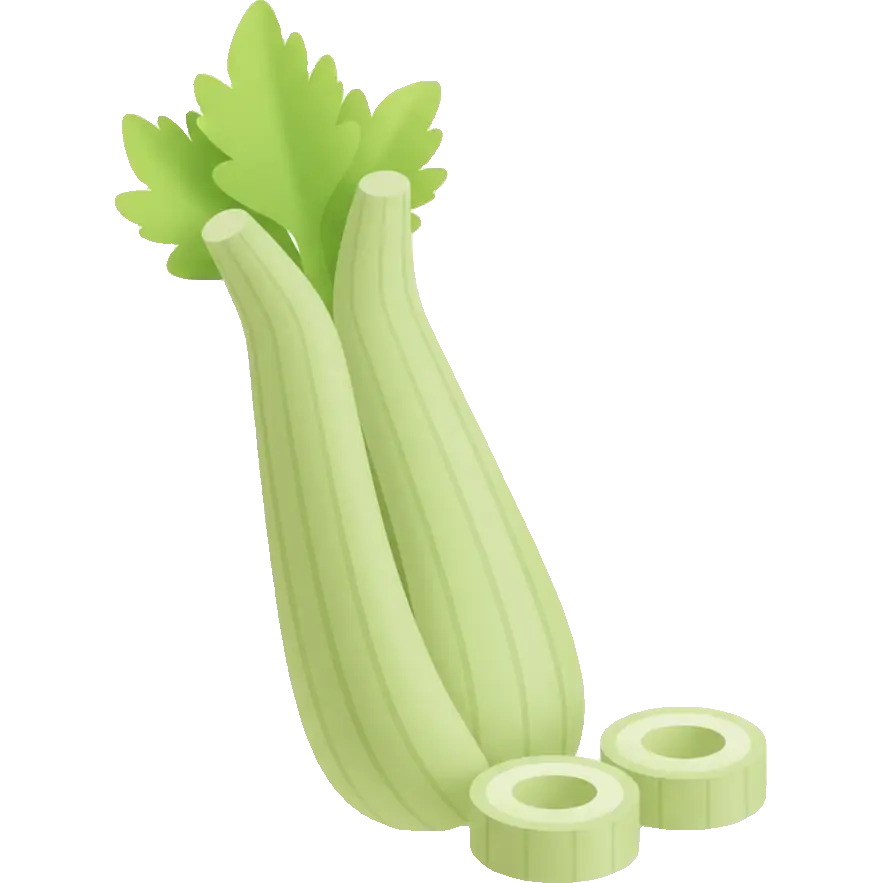
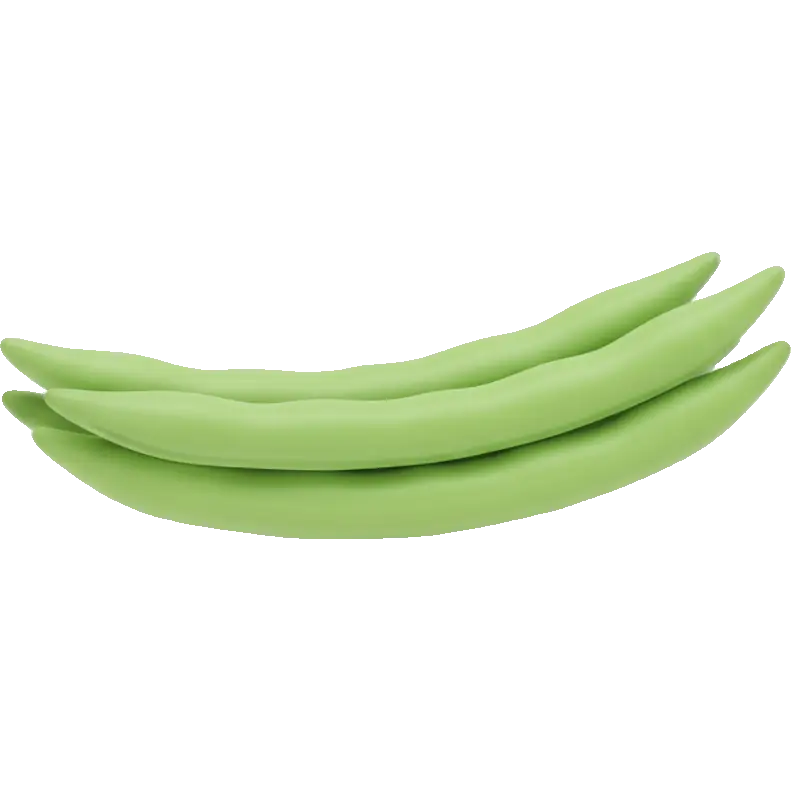
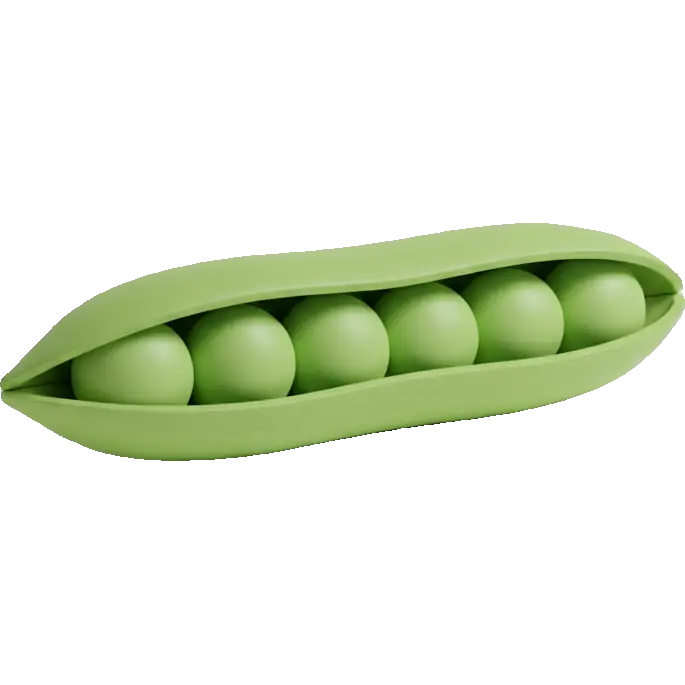
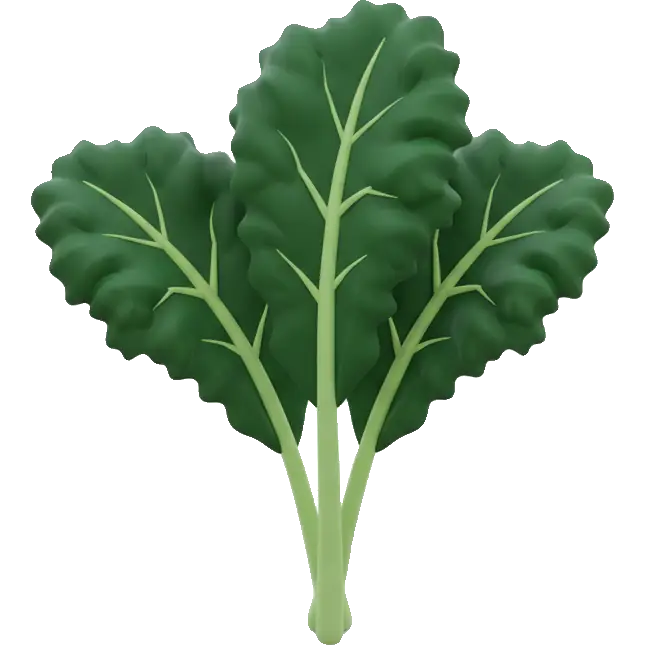
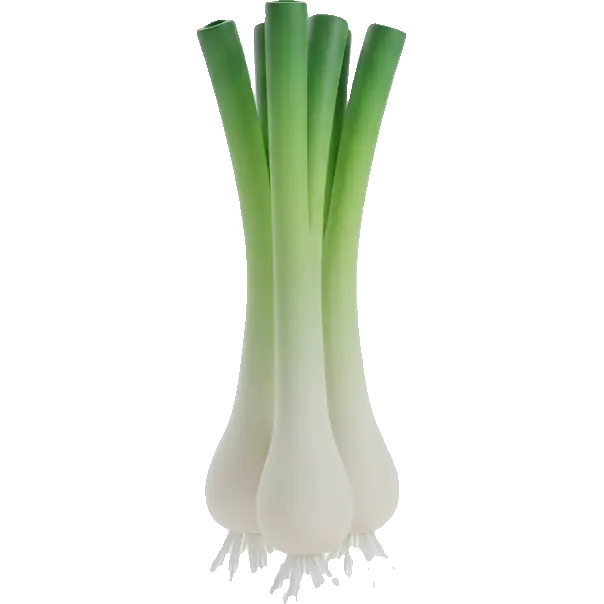
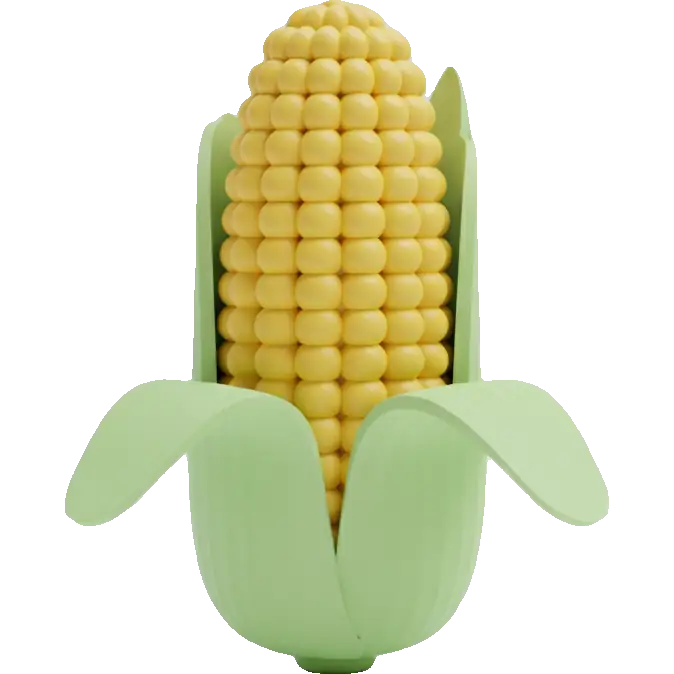
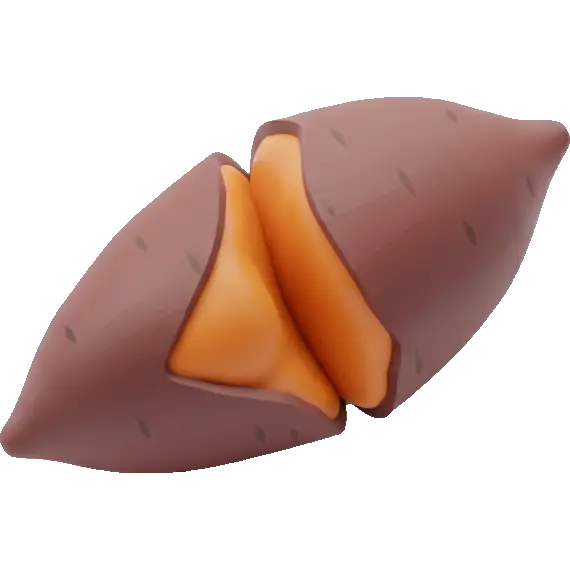
The thread is freshness: fresh meat and poultry, fresh-cooked eggs, most fresh fruit and vegetables, fresh dairy, plain grains and oils.
Two things worth knowing
First, freshness is the rule, not the label. A low-histamine food doesn't stay low if it's left as leftovers - histamine climbs as cooked food sits. Eating fresh, or freezing promptly rather than refrigerating for days, keeps these foods on the low side.
Second, a handful of low-histamine foods are still histamine liberators - they don't contain much histamine, but can prompt your body to release its own (citrus and strawberries are common examples). That's a separate mechanism, covered in histamine liberators.
It's still about your own threshold
This list is a starting point, not a fixed rulebook. Histamine tolerance is individual, and it shifts with sleep, stress and hormones.1 The aim is to find where your own threshold sits and build meals comfortably below it.
Where Triggerbites fits in
This list comes straight from the food data inside Triggerbites, which tags every ingredient for histamine load alongside 40+ other trigger criteria.
So when you log meals in plain language, Triggerbites tags the histamine level of everything you eat - and correlates it with your symptoms over time. Instead of fearing an endless avoid-list, you can see your low-histamine days clearly, and watch your real threshold emerge.
It takes seconds a day, and it turns "what's even left to eat?" into a clear, personal answer.






Triggerbites Features
- Log your day in 30 seconds: Text, voice or photo. Log as you go, or recap it all in the evening.
- Your food, broken down: Meals become ingredients and sensitivity profiles: histamine, salicylates, FODMAPs, allergens, and even the additives on packaged food.
- Everything in the same journal: Symptoms, supplements, sleep, stress, exercise and mood, beside what you ate.
- See what repeats over time: Patterns between what you eat and how you feel, including delayed reactions that show up days later.
For the other half of the picture, see high-histamine foods to limit and could it be histamine intolerance?
Live, love, log. 🧡
References
- 1Maintz L, Novak N "Histamine and Histamine Intolerance" American Journal of Clinical Nutrition, 2007PubMed
- 2
 PubMed
Article References and Citations
- Maintz L, Novak N: "Histamine and Histamine Intolerance", American Journal of Clinical Nutrition, 2007 - https://pubmed.ncbi.nlm.nih.gov/17490952/
- U.S. National Library of Medicine (PMC): "Food Intolerance: The Role of Histamine", 2021 - https://www.ncbi.nlm.nih.gov/pmc/articles/PMC8469513/