Histamine liberators: the foods that release your own histamine
Some foods barely contain histamine and still set off a reaction. Strawberry, citrus, tomato and pineapple are the usual suspects.
You react to a strawberry. To a squeeze of lemon, a fresh tomato, a slice of pineapple - foods that no one would call "aged" or "fermented," foods that barely register on a high-histamine list. It makes no sense, and it's one of the most confusing parts of living with histamine problems.
There's a clean explanation, and it's a mechanism most "foods to avoid" lists never mention: histamine liberators.
What a histamine liberator is
Your body stores its own histamine - held inside immune cells called mast cells, ready to be released when needed.
A histamine liberator is a food (or a compound in a food) that prompts those cells to release that stored histamine - regardless of how much histamine the food itself contains.1 So a food can be genuinely low in histamine and still raise the histamine acting on your body - by liberating the histamine you already had.
Liberators and high-histamine foods take different routes
This is why checking a food's histamine content only tells you half the story.
A high-histamine food brings histamine in with it - built up through aging, fermentation or curing. A liberator triggers your body to let its own histamine out.2 Both end in the same place: more histamine, more symptoms.
It's the reason a "low-histamine" food can still cause a reaction, and the reason a content-only food list leaves people baffled. (For the other half, see high-histamine foods to limit.)
The histamine liberators
Below is the full list of histamine liberators - drawn directly from the Triggerbites ingredient database, which tags every ingredient for liberator effect separately from histamine content.




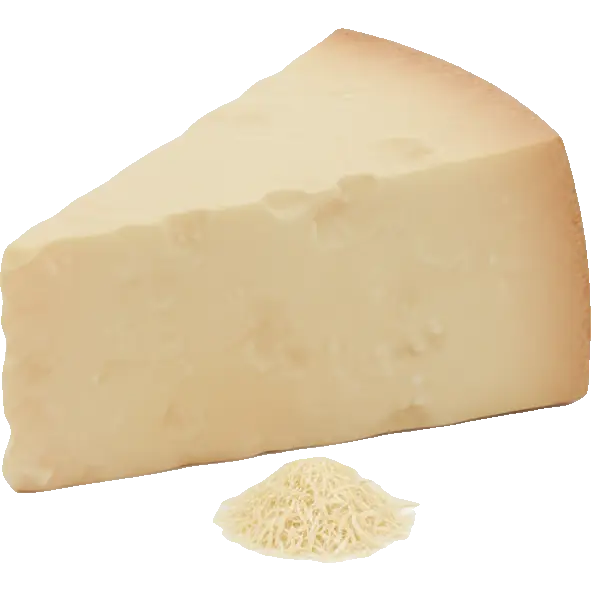
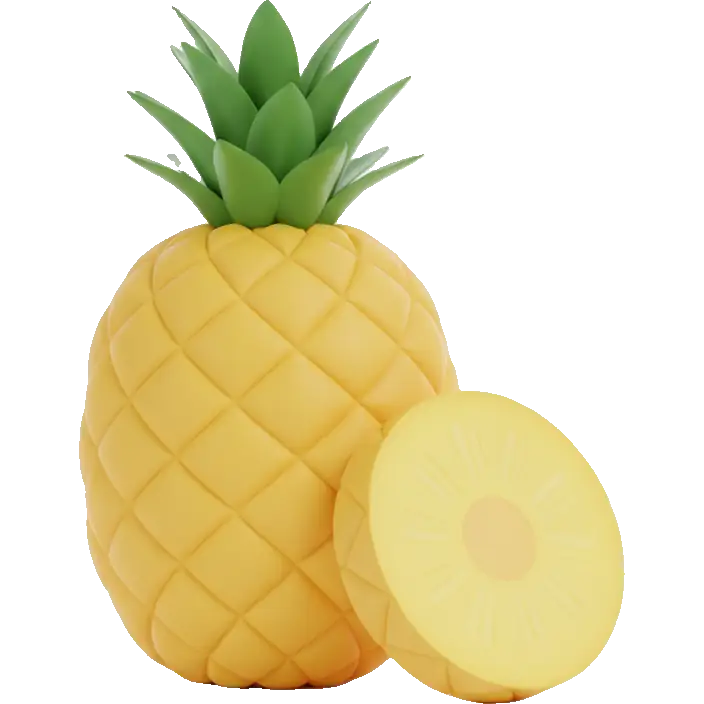
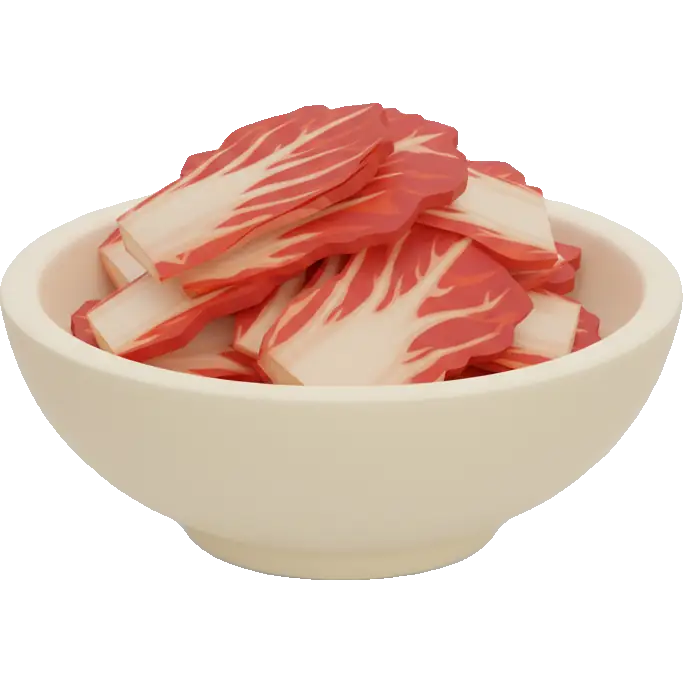
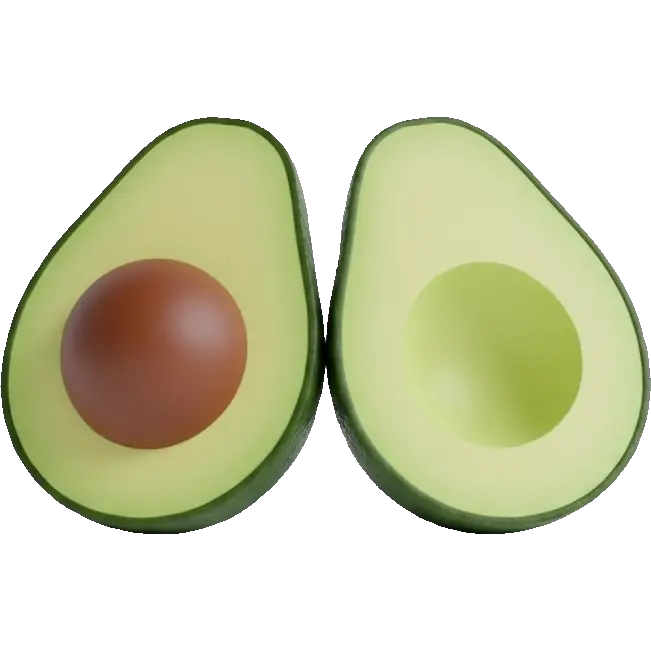



Every food our database grades as a liberator, highest first. Each one links to its own page.
Worth avoiding35 foods

| Food | Notes |
|---|---|
| Apricot | Apricot is a small orange stone fruit. A sweet velvety fruit related to peaches. |
| Avocado | Avocado is a creamy green fruit with pit. A buttery fruit used in savory and sweet dishes. |
| Bourbon | Distilled spirit (from grains); gluten removed by distillation. Alcohol can liberate histamine/impair DAO and irritate IBS. |
| Brandy | Distilled from wine; residual sulfites are low, but alcohol may trigger reflux, flush or histamine symptoms. |
| Buffalo sauce | Typically hot sauce (often with garlic) + butter; contains dairy and nightshade chili; brand recipes vary. |
| Campari | Italian bitter liqueur (~24% ABV in the US). Alcohol can aggravate histamine symptoms; coloring no longer from cochineal in most markets. |
| Cherry | Cherry is a small round stone fruit. A sweet or tart fruit enjoyed fresh or in desserts. |
| Chevre | Soft goat cheese contains lactose; small serves may be tolerated. Aged goat cheeses are lower‑lactose. |
| Colby jack | Semi‑soft cheese; generally low in lactose but higher in biogenic amines. |
| Dark chocolate | 70%+ cocoa. Strong anti-inflammatory from flavanols. HIGH oxalate and nickel—avoid for kidney stones and SNAS. Low FODMAP at 30g. Check for hidden dairy. |
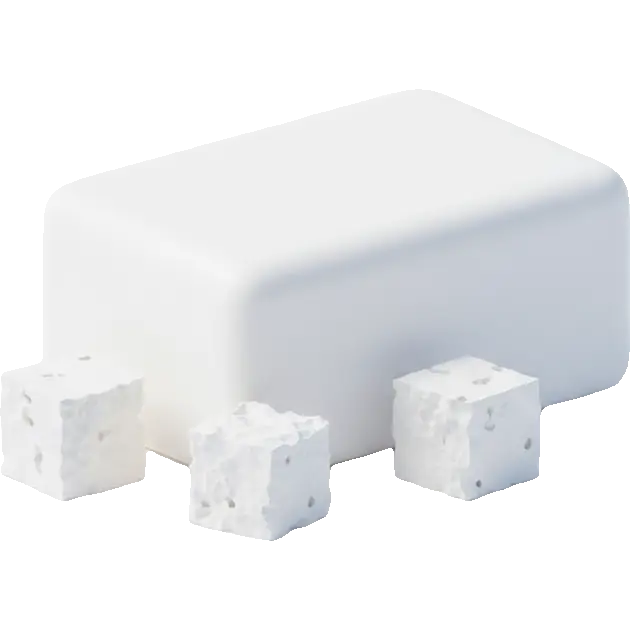
| Feta | Brined cheese; lactose is lower than milk and small 40 g serves are typically low FODMAP. |
| Fish sauce | Fermented condiment; carbohydrate content is low but biogenic amines (histamine/tyramine) can be high. Check brand for added sugar/gluten. |
| Grapefruit | Grapefruit is a large citrus fruit. A tangy bitter-sweet citrus for breakfast. |
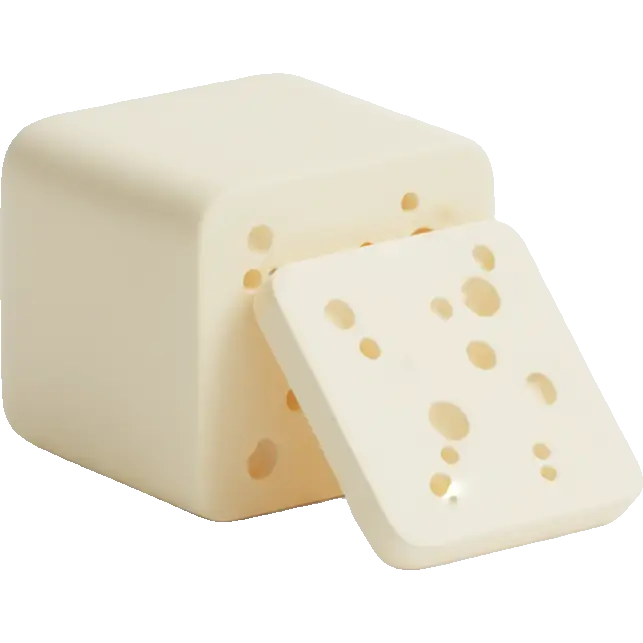
| Halloumi | Lower-lactose cheese with salty profile; Monash lists a small low FODMAP serve—watch histamine. |
| Havarti | Aged/semi-soft cheese; typically low in lactose but higher in biogenic amines (histamine/tyramine). |
| Kimchi | Fermented cabbage with garlic/chili; high in biogenic amines (histamine/tyramine). GF unless wheat flour added. |
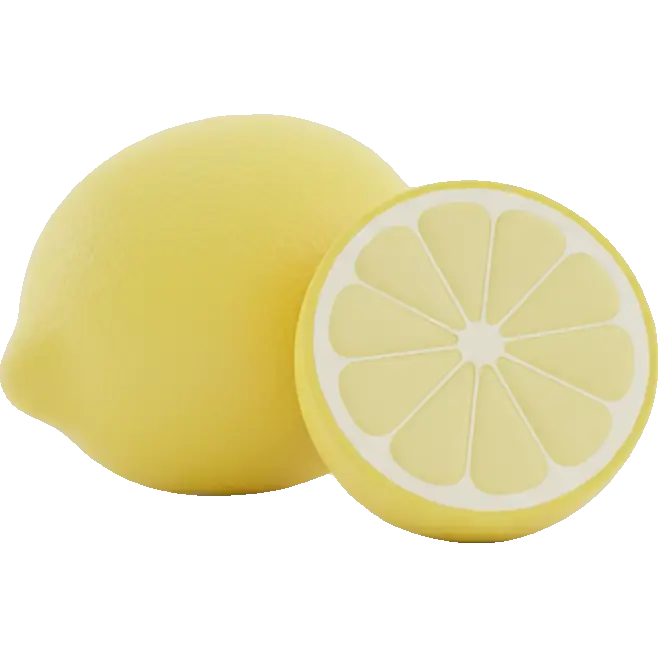
| Lemon | Lemon is a yellow citrus fruit. A sour acidic fruit essential for cooking. |
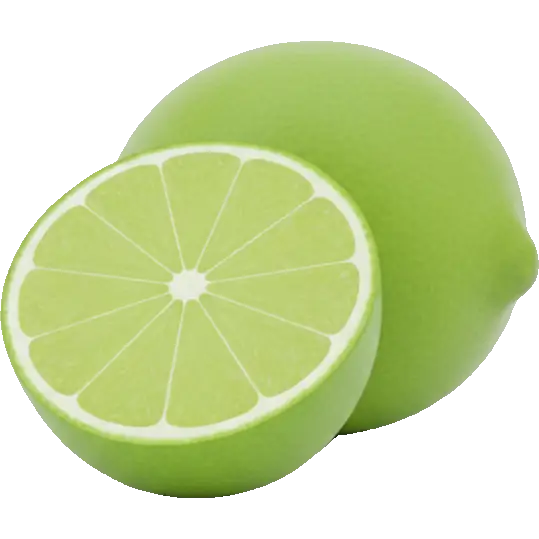
| Lime | Lime is a small green citrus fruit. A tart acidic citrus for drinks and cooking. |
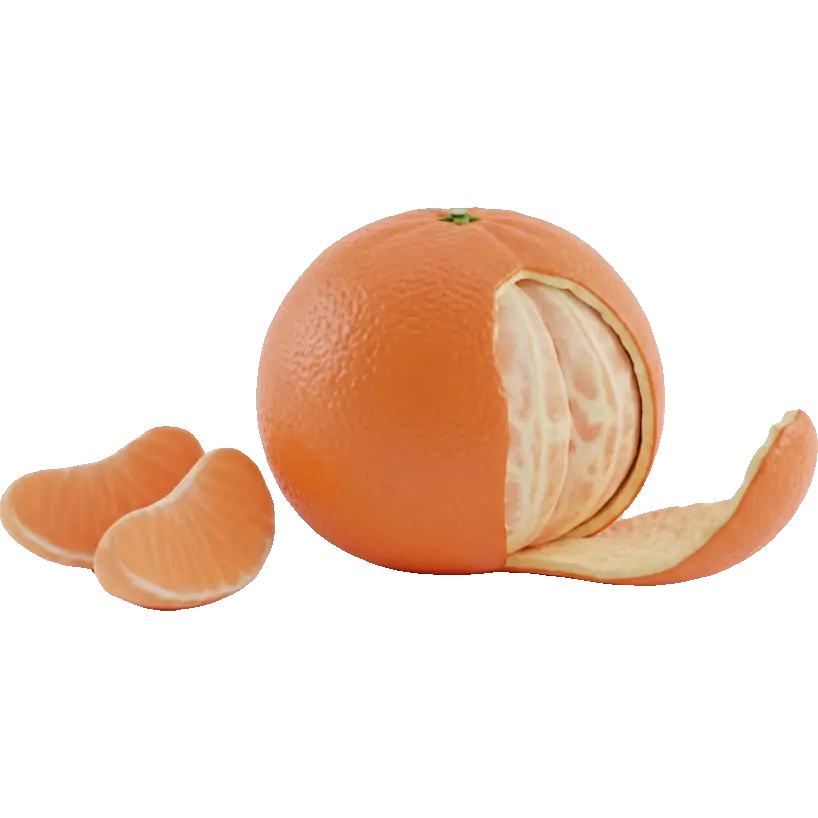
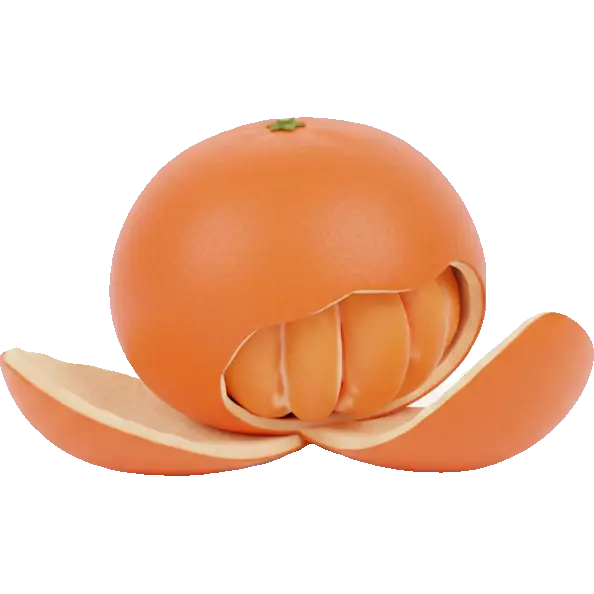
| Mandarin | Mandarin is a small sweet citrus. An easy-to-peel orange variety. |
| Milk chocolate | 30-40% cocoa. Low FODMAP at 20g (lactose limiting). Lower oxalate than dark but contains dairy proteins. Watch for barley malt. High sugar offsets flavanol benefits. |
| Nectarine | Nectarine is a smooth-skinned peach variety. A sweet juicy stone fruit. |
| Orange | Orange is a round citrus fruit. A sweet juicy fruit popular worldwide. |
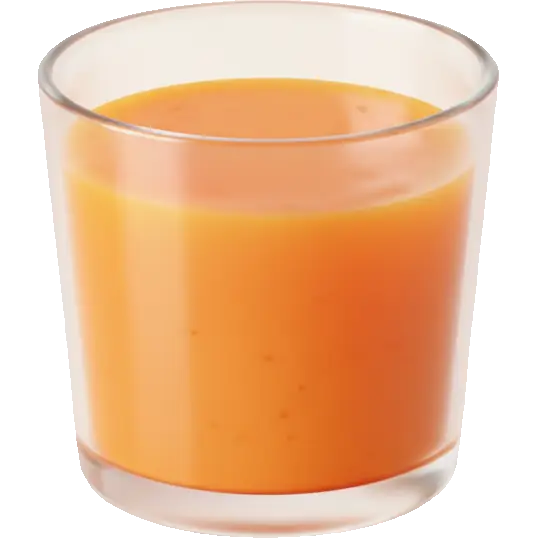
| Orange juice | Orange juice is pressed from oranges. A popular sweet-tart breakfast citrus drink. |
| Papaya | Papaya is a tropical fruit with orange flesh. A sweet musky fruit with black seeds. |
| Parmesan | Aged hard cheese; very low lactose but high in biogenic amines (histamine/tyramine). |
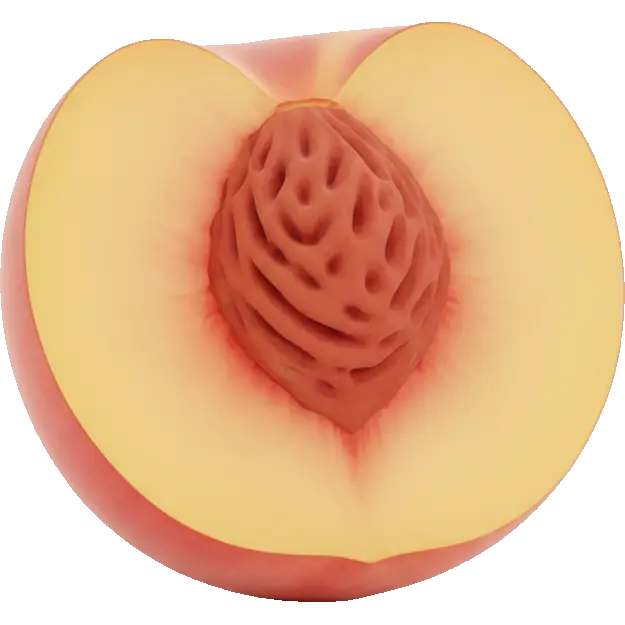
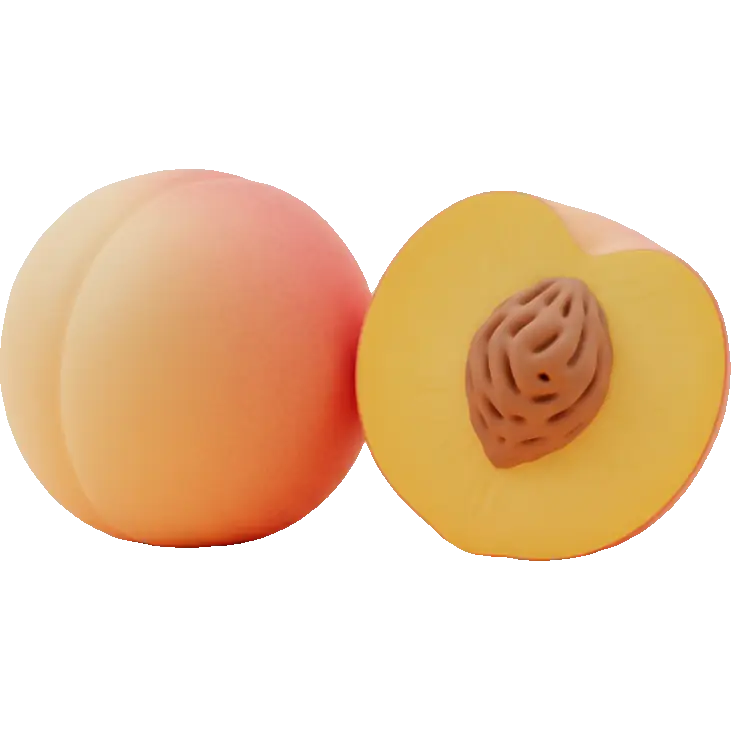
| Peach | Peach is a fuzzy stone fruit. A sweet juicy summer fruit with yellow flesh. |
| Pineapple | Pineapple is a spiky tropical fruit. A sweet tangy fruit with golden flesh. |
| Plum | Plum is a round stone fruit. A sweet juicy fruit in many colors. |
| Prosciutto | Aged/cured meat → high histamine/tyramine. Traditional Parma uses only pork+salt (no nitrites). |
| Provolone | Aged semi-hard cheese: low lactose but high histamine/tyramine and natural glutamates. |
| Seitan | Pure wheat gluten—catastrophic for celiac but paradoxically LOW FODMAP at ≤30g. Best plant protein for nickel allergy. Triggers mast cell histamine release. |
| Strawberry | Strawberry is a red heart-shaped berry. A sweet fragrant fruit popular worldwide. |
| Tangerine | Tangerine is a small sweet citrus. An easy-to-peel orange variety with bright flavor. |
| Tomato | Tomato is a red fruit used as vegetable. A juicy versatile ingredient in cuisines worldwide. |
| Tomato sauce | Includes tomato paste and passata. |


Moderate106 foods
| Food | Notes |
|---|---|
| Acerola | Tart cherry rich in vitamin C. Generally low FODMAP in small serves; acids may aggravate reflux in some. |
| Aged cheese | Aged cheese is cheese matured over time. A sharp flavorful cheese with developed taste. |
| Ale | Usually barley/malt based (contains gluten). Beer/ale are generally low FODMAP per serve but alcohol and carbonation can still trigger IBS; may contain histamine/biogenic amines. |
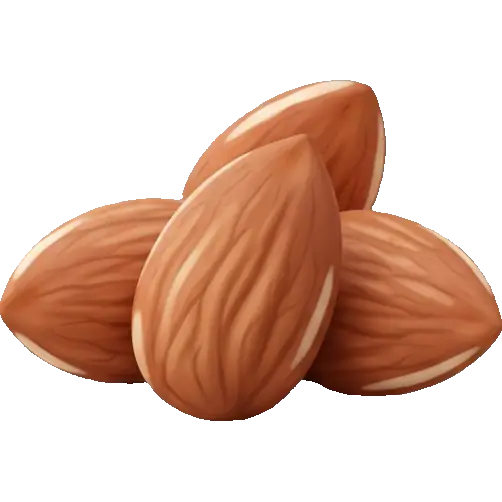
| Almonds | Almonds are oval tree nuts with mild flavor. A versatile nut eaten whole or as flour and milk. |
| Anchovy | Plain fish is FODMAP‑free; anchovies are often fermented/salted and can be high in histamine/tyramine—avoid if histamine‑intolerant or on MAOIs. |
| Anchovy paste | Concentrated anchovy with salt/oil; same histamine/tyramine caveats; check labels for added garlic. |
| Aperitif | Covers many pre‑dinner alcoholic drinks (vermouth, bitters, etc.). Alcohol can aggravate IBS; some are wine‑based and may contain sulfites/biogenic amines. |
| Aperol | Bitter orange aperitif (11% ABV). Alcohol may trigger IBS; distilled spirit/wine‑based mixers may include sulfites—check label; gluten‑free as a spirit/liqueur. |
| Apple butter | Concentrated apple spread—typically high in excess fructose and sorbitol (high FODMAP). |
| Apple juice | High in excess fructose—common IBS trigger even in small serves (high FODMAP). |
| Apricot jam | Stone‑fruit jam often high in polyols (sorbitol) and fructose; small serves only if tolerated; watch ‘reduced‑sugar’ jams (often polyols). |
| Armagnac | Distilled brandy—gluten‑free by distillation. Alcohol can worsen IBS; biogenic amines typically lower than wine but sensitivity varies. |
| Banana | Banana is a curved yellow tropical fruit. A sweet creamy fruit eaten fresh or cooked. |
| Blackcurrant | High in sorbitol (a polyol); small portions only if sensitive to sorbitol. Rich in vitamin C and anthocyanins. |
| Blood orange | Similar to regular orange: generally low FODMAP in typical serves. Citrus may liberate histamine for some. |
| Brazil nuts | Brazil nuts are large crescent-shaped nuts. A rich creamy nut from Amazon rainforest trees. |
| Cashews | Cashews are curved creamy nuts. A rich buttery nut used in cooking and snacking. |
| Champagne | Sparkling wine is generally low FODMAP per serve; contains alcohol and often added sulfites. |
| Cheddar cheese | Cheddar cheese is a firm aged English cheese. A sharp tangy cheese in many varieties. |
| Cheese | Generic cheese. Lactose content varies by type; aged cheeses are typically lower in lactose. |
| Chicken liver | Organ meat; FODMAP‑free, nutrient‑dense, but higher in biogenic amines—watch if histamine‑sensitive. |
| Chili garlic sauce | Contains garlic → fructans. Choose garlic‑free chili sauces or use garlic‑infused oil if needed. |
| Chili powder | Pure ground chili is low FODMAP in small amounts; blends may add onion/garlic—check labels. |
| Chimichurri | Parsley‑garlic herb sauce; typical recipes include raw garlic → fructans. Use garlic‑infused oil to lower FODMAPs. |
| Chutney | Fruit + vinegar + spices; many include onion/garlic and lots of sugar—brand and portion dependent. |
| Cider | Apple‑based (alcoholic or not) → often high FODMAP; alcohol and sulfites can also be issues. |
| Clotted cream | Very high‑fat dairy spread; still contains lactose—often not tolerated on elimination. |
| Cocktail sauce | Ketchup + horseradish + spices; many versions include garlic/onion or HFCS—portion and brand matter. |
| Cocoa | Cocoa is processed cacao powder. A chocolate flavoring for baking and beverages. |
| Coconut | Coconut is the fruit of coconut palms. A versatile tropical fruit used for meat milk and oil. |
| Cognac | Distilled spirit (brandy) → carbohydrate‑free/FODMAP‑free; alcohol may irritate IBS. |
| Colby cheese | Colby cheese is a mild American cheese. A soft orange cheese similar to cheddar. |
| Egg white protein | Dried egg white (albumen) with almost nothing but protein; no lactose or dairy protein despite sitting next to whey on the shelf. One scoop concentrates about seven egg whites and raw albumen is a classic histamine liberator so a shake can bite where baked goods do not. Excluded on AIP and one of the six EoE elimination foods; flavoured versions may add sweeteners so check the label. |
| Eggplant | Eggplant is a purple nightshade vegetable. A meaty vegetable also called aubergine. |
| Evaporated milk | Concentrated milk → high lactose per serve; usually not suitable during elimination unless lactose‑free. |
| French dressing | Recipe/brand dependent; can include onion/garlic, tomato/paprika, thickeners, dairy and preservatives. Check labels. |
| Garlic aioli | Emulsion of oil + egg + garlic. High fructans due to garlic; not vegan; avoided on AIP/6-FED (eggs). |
| Gin | Distilled spirit; gluten removed by distillation. Alcohol can act as a histamine liberator; watch mixers for FODMAPs. |
| Gluhwein | Mulled red wine with spices and sugar. High in histamine/tyramine and sulfites; very high salicylates from spices. |
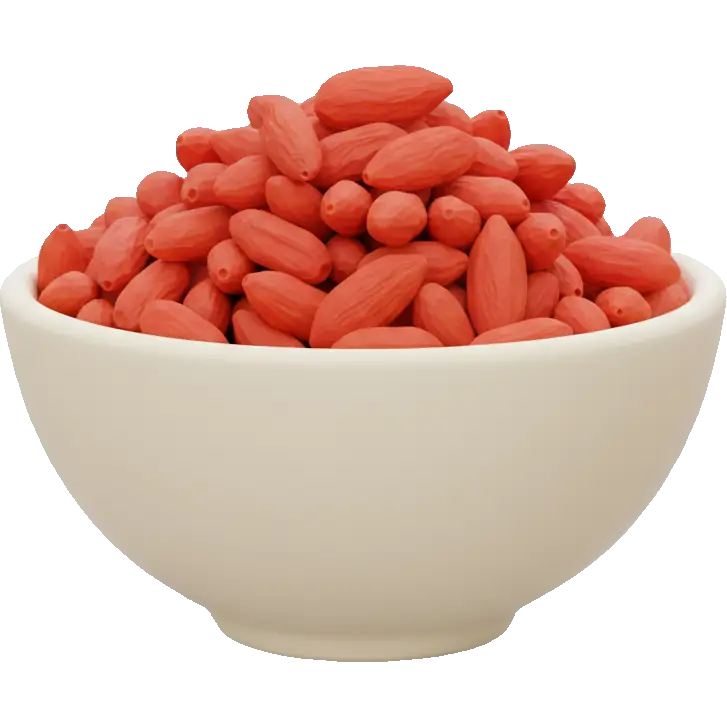
| Goji berry | Usually sold dried. |
| Greek yogurt | Strained yogurt with reduced lactose; moderate at common serves—check tolerance and portion. |
| Half-and-half | Dairy blend (milk+cream) with moderate lactose—often not tolerated on elimination. |
| Ham | Processed meat; often cured with nitrites and can be higher in histamine—choose nitrite-free where possible. |
| Hard cider | Untested, but likely high FODMAP (apple-based); alcohol can irritate IBS—trial cautiously if at all. |
| Harissa | Chili-garlic paste; often contains garlic → fructans. Choose garlic-free versions to lower FODMAPs. |
| Hazelnut | Hazelnut is a round brown nut in a husk. A sweet rich nut used in chocolate and baking. |
| Heavy cream | High-fat dairy with relatively low lactose; portion size matters on low FODMAP. |
| Honey mustard | Often contains honey, vinegar, spices; some brands add wheat/dairy/garlic—check labels. |
| Horseradish sauce | Often mayo/cream-based with vinegar/sugar; many add onion/garlic—brand-dependent. |
| Hot chocolate | Cocoa + milk/sugar; lactose and caffeine/oxalate can be triggers—use lactose-free milk if needed. |
| Hot sauce | Chili-based condiments often include garlic/onion; choose garlic-free brands if needed. |
| Hummus | Chickpeas + tahini + garlic. Canned/rinsed chickpeas and garlic-infused oil versions are gentler. |
| Ipa | Hop-forward barley beer → gluten. Alcohol and carbonation can worsen IBS symptoms. |
| Ketchup | Tomato + sugar + vinegar; many brands add onion/garlic or HFCS—watch portion and ingredients. |
| Kombucha | Fermented tea; low FODMAP only in small serves depending on residual sugars; can be high in histamine. |
| Korma paste | Often includes onion/garlic, nuts, dairy/yogurt; some brands add wheat—check labels. |
| Kvass | Traditional rye-bread ferment → gluten and likely higher fructans; varies by recipe. |
| Lactose-free cheese | Cheese with the lactose removed or naturally aged out; casein and whey remain so it is not dairy-free. |
| Lactose-free milk | Enzymatically treated cow’s milk (lactose removed) → low FODMAP; still contains dairy proteins. |
| Lactose-free yogurt | Dairy yogurt treated with lactase; lactose removed but casein and whey remain; not dairy-free. |
| Lager | Barley beer → gluten. Monash lists beer as low FODMAP per standard serve, but alcohol/carbonation can aggravate IBS. |
| Lamb liver | Organ meat; nutrient-dense but higher in biogenic amines—watch if histamine‑sensitive. |
| Lassi | Yogurt-based drink; lactose depends on culture/time—often moderate/high FODMAP unless lactose‑free. |
| Lemon curd | Butter‑ and egg‑based spread with sugar; lactose present unless made lactose‑free. |
| Light cream | Lower‑fat cream still contains lactose; portion‑dependent on low FODMAP. |
| Mango chutney | Usually contains mango (excess fructose) plus onion/garlic and sugar. Brands vary—check labels; small serves may still trigger. |
| Mint leaves | Fresh herb; low FODMAP. Peppermint oil can ease IBS symptoms; mint may act as a histamine liberator for some. |
| Mint sauce | Typically mint, vinegar & sugar; generally low FODMAP in small serves. Some brands add garlic or yogurt—check label. |
| Muesli cereal | Varies by recipe: oats + nuts + dried fruit often drive fructans/GOS/polyols; choose GF oats and low-FODMAP fruit. |
| Mulled wine | Wine + sugar + spices; alcohol and added sugars can aggravate symptoms; many wines have sulfites. |
| Olive tapenade | Often includes garlic/capers/anchovy—FODMAP depends on recipe; garlic drives fructans. |
| Oyster sauce | Concentrated oyster extract + sugar + soy/wheat (often). High umami; many brands contain wheat—check labels. |
| Paneer | Fresh cheese; moderate lactose—watch portion on low FODMAP. |
| Parmesan cheese | Parmesan cheese is aged Italian hard cheese. A nutty savory cheese for pasta. |
| Peanut butter | Low FODMAP at ~2 Tbsp; choose pure peanut-only spreads (no HFCS/inulin). |
| Peanuts | Peanuts are legumes that grow underground. A crunchy protein-rich nut-like legume. |
| Pecans | Pecans are buttery nuts from pecan trees. A rich sweet nut native to North America. |
| Pine nut | Pine nut is the edible seed of pine trees. A small rich nut essential in pesto. |
| Pistachios | Pistachios are green nuts in split shells. A sweet slightly savory nut with distinctive color. |
| Porter | Barley-based beer → contains gluten. Usually low-FODMAP in typical serves, but may contain small sulfites. Alcohol can trigger histamine-like symptoms in some. |
| Powdered milk | Very high lactose; concentrated dairy proteins. Choose lactose-free if needed. |
| Queso blanco | Fresh cheese; moderate lactose; typically lower histamine than aged cheeses. |
| Queso fresco | Fresh, crumbly cheese; usually higher lactose than aged cheeses; lower histamine than aged. |
| Ranch dressing | Often contains buttermilk + garlic/onion powder; many brands are gluten-free but check labels. |
| Relish | Typically cucumbers + vinegar + sugar + onions/spices; onion/garlic drive FODMAP; preservatives vary by brand. |
| Rose wine | Rosé wine is pink-tinted grape wine. A light refreshing wine between red and white. |
| Sake | Sake is Japanese rice wine. A refined alcoholic beverage brewed from rice. |
| Salami | Salami is cured fermented sausage. A seasoned dried meat sliced for sandwiches and charcuterie. |
| Salsa | Salsa is tomato-based Mexican sauce. A chunky or smooth condiment with chili peppers. |
| Satay sauce | Satay sauce is peanut-based dipping sauce. A creamy Southeast Asian condiment. |
| Sesame dressing | Sesame dressing is Asian sesame-based sauce. A nutty tangy salad dressing. |
| Shiitake mushroom | Intensely umami mushroom; very high free glutamate and notable histamine; drying concentrates both. |
| Soy protein | Powdered isolate or concentrate from defatted soybeans; the fermentable carbs are stripped in processing so it stays low FODMAP unlike whole soybeans. Still soy at heart: high in oxalate and nickel and a recognised histamine liberator; off the table for soy allergy or an EoE elimination trial. Flavoured powders often add inulin or polyol sweeteners so scan the label. |
| Soy yogurt | Fermented soy milk with live cultures; no lactose or dairy protein; histamine and tyramine rise with culture time. |
| Spinach | Spinach is a nutritious dark leafy green. A mild versatile vegetable eaten raw or cooked. |
| Stout | Barley-based beer → gluten; alcohol can aggravate IBS; some brands may contain added sulfites. |
| Sweet and sour sauce | Often includes onion/garlic, pineapple, ketchup; brands may add wheat (gluten) and preservatives—check labels. |
| Tartar sauce | Typically mayonnaise + pickles/capers + onion; some brands add dairy or wheat—check labels. |
| Tempeh | Fermented whole soybean cake; low FODMAP but high in histamine and tyramine from fermentation. |
| Teriyaki sauce | Usually soy sauce (wheat), mirin/sugar, garlic/ginger; higher in glutamates and often contains wheat → gluten. |
| Tomato jam | Concentrated tomato + sugar; watch excess fructose at larger serves; may include pectin/preservatives. |
| Tomato juice | Tomato products are low FODMAP in modest serves; natural free glutamates can be symptoms triggers for some. |
| Tortellini | Wheat pasta + cheese/meat filling → gluten + lactose. Choose GF, lactose-free versions if needed. |
| Veggie patty | Meat-free burger patty from beans soy or pea protein; check for egg or dairy binders and wheat gluten. |
| Veggie sausage | Meat-free sausage from soy or pea protein; no nitrites or animal fat; check for wheat gluten binder and added sulfites. |
| Walnuts | Walnuts are wrinkled brain-shaped nuts. A rich slightly bitter nut with earthy flavor. |
































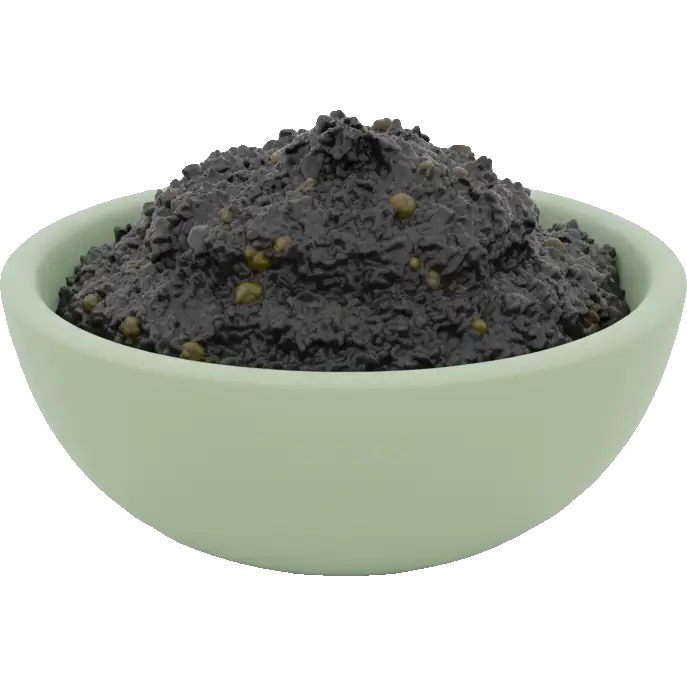
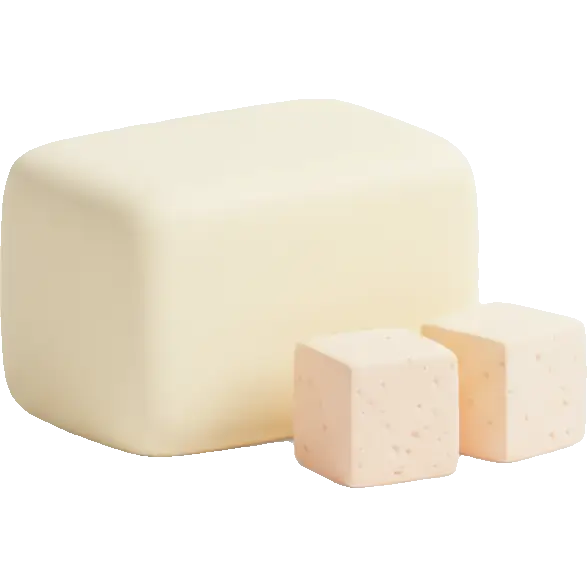
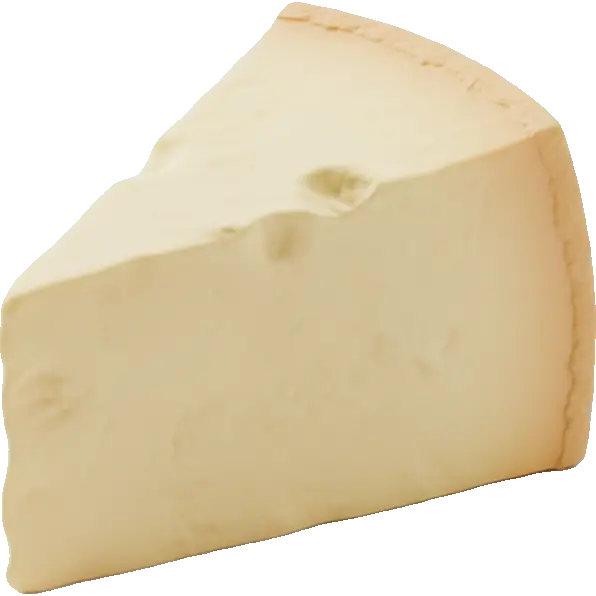
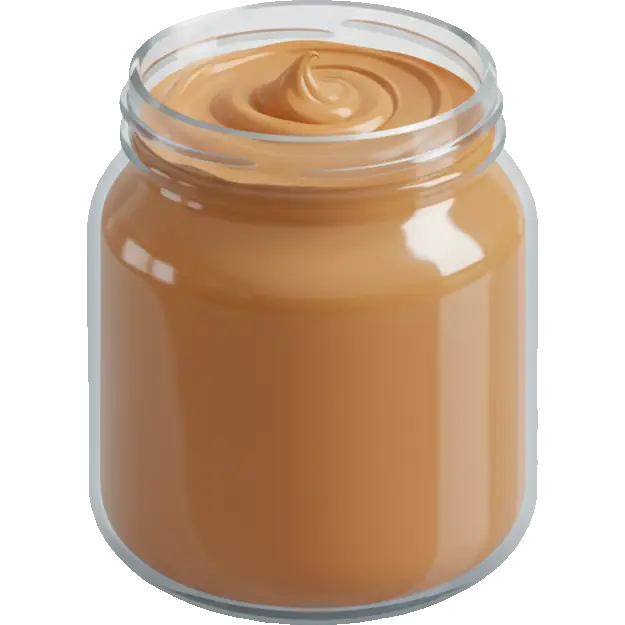
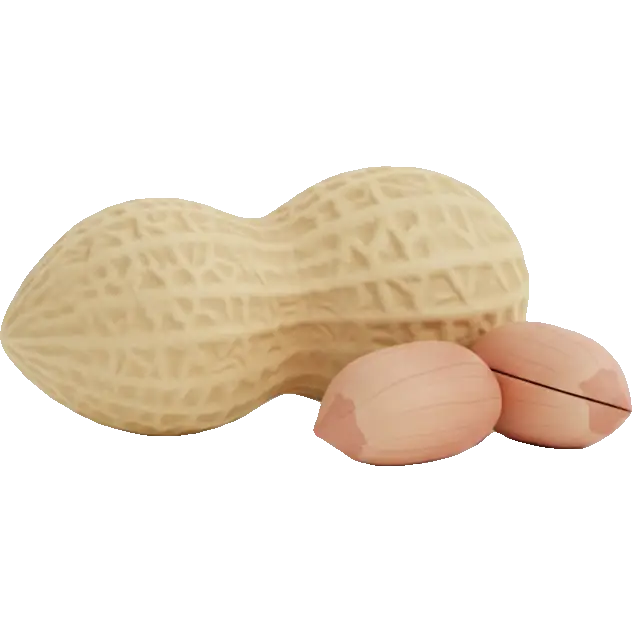
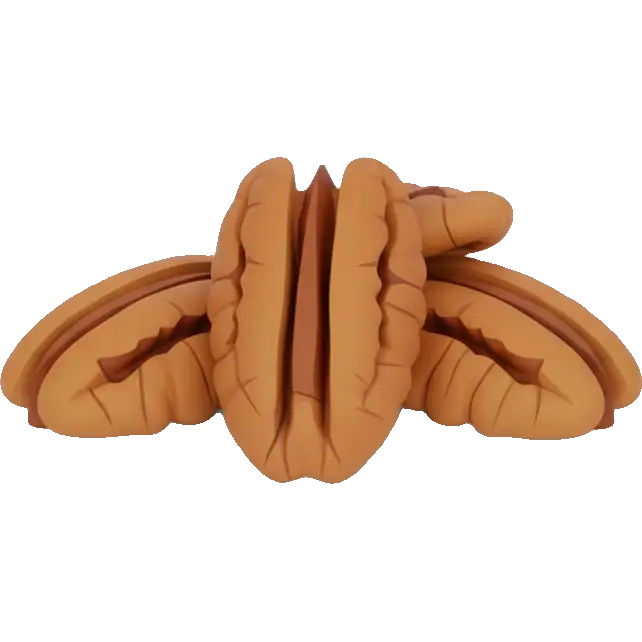
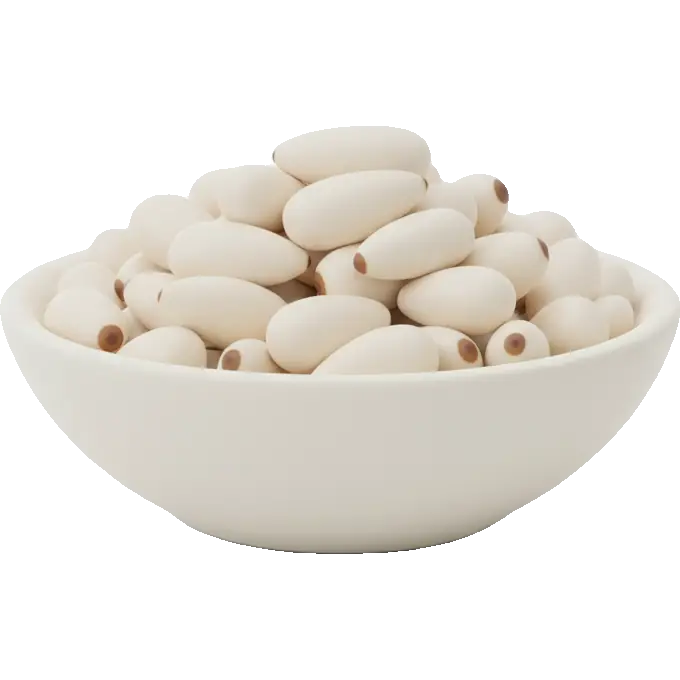
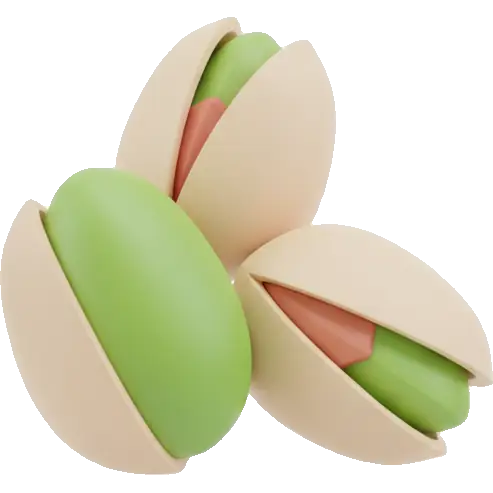
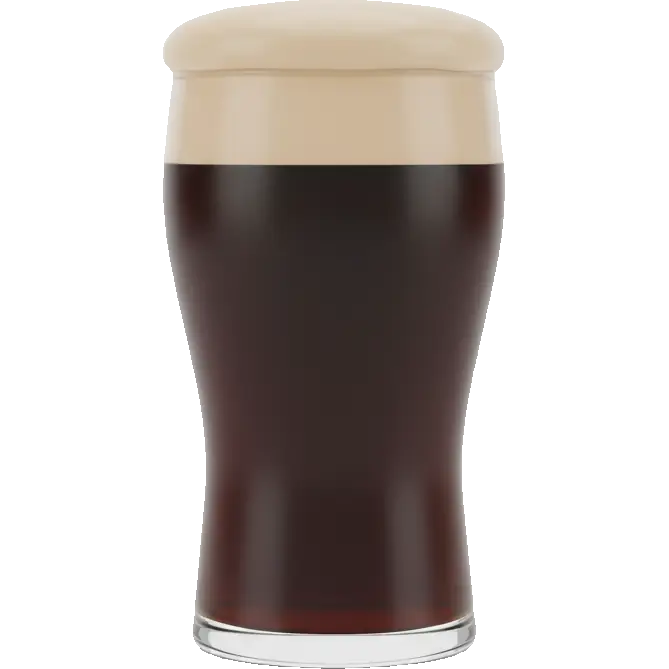
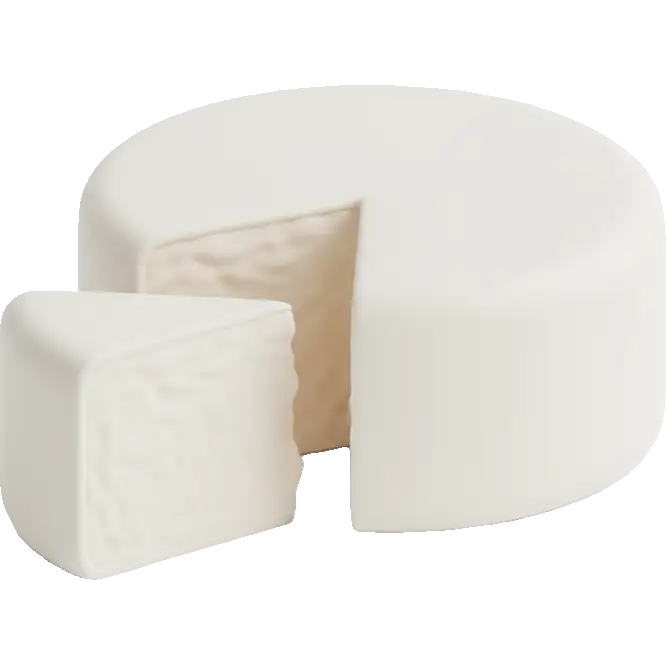



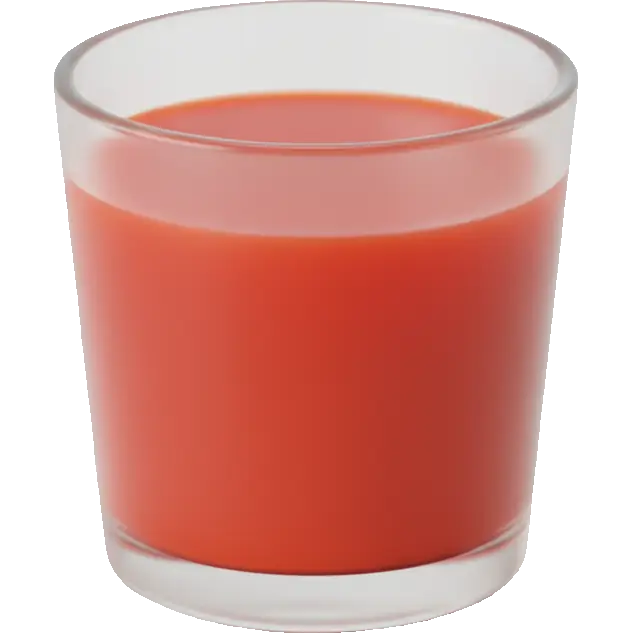
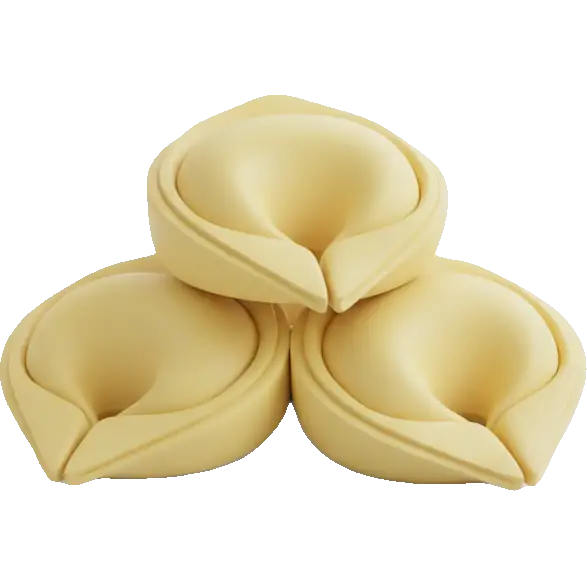

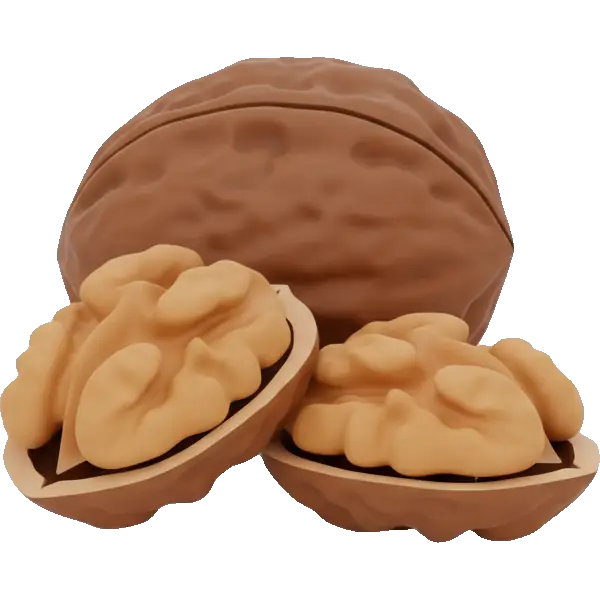
The pattern is the giveaway: alongside the usual aged and fermented suspects, the list is full of fresh, otherwise-healthy foods - citrus, strawberries, tomatoes, stone fruit, certain nuts, chocolate. That's exactly what makes liberators so counterintuitive.
It still comes down to load
A liberator isn't an absolute trigger any more than a high-histamine food is.
Histamine problems behave like a threshold - the balance between how much histamine is acting on you (from food and from what your body releases) and your capacity to break it down.13 Liberators simply add to that total. A small amount, on a good day, may sit comfortably under your limit; a liberator-heavy meal, on a stressful and poorly-slept day, may not.
So the goal is the same: understand your own threshold and what fills it. A permanent ban list is never the endpoint.
Finding your pattern
Because liberators are so easy to miss, they're worth tracking deliberately - especially when a "safe," low-histamine food still seems to cause trouble. Track which liberators you ate and how much, whether they landed alongside high-histamine foods, and the context - sleep, stress, hormonal phase - that shrinks your headroom.
Check any food in seconds
The histamine liberator checker grades any food in our database, and every food on this page links to its own page with its histamine load alongside.
Where Triggerbites fits in
This is exactly the gap Triggerbites is built to close. It tags every ingredient for histamine-liberator effect separately from histamine content - so it catches the reactions a content-only list can't explain.
You log a meal in plain language, and the app extracts the ingredients, tags both the histamine load and the liberator effect, and correlates them with your symptoms across delayed time windows. Instead of "that reaction made no sense," you get the route and the pattern.
It takes seconds a day, and it turns the most baffling histamine reactions into something readable.






Triggerbites Features
- Log your day in 30 seconds: Text, voice or photo. Log as you go, or recap it all in the evening.
- Your food, broken down: Meals become ingredients and sensitivity profiles: histamine, salicylates, FODMAPs, allergens, and even the additives on packaged food.
- Everything in the same journal: Symptoms, supplements, sleep, stress, exercise and mood, beside what you ate.
- See what repeats over time: Patterns between what you eat and how you feel, including delayed reactions that show up days later.
Common questions
What is a histamine liberator?
A food that carries little histamine itself but prompts the mast cells in your body to release the histamine they already hold. The result feels the same as eating a high-histamine food, which is why the usual avoid lists are so confusing.
Which foods are histamine liberators?
Citrus fruit, strawberry, pineapple, tomato, chocolate, papaya, kiwi, nuts, shellfish, egg white, some legumes and several food additives. Most of them are fresh foods that no ageing or fermenting list would ever flag.
Are tomatoes high in histamine or a liberator?
Both, which is why tomatoes cause so much trouble. They carry a moderate histamine load and act as a liberator, and cooking them down into sauce or paste concentrates the first effect.
Why do I react to strawberries but not to aged cheese?
Because the two work by different routes. If your reaction is mostly to liberators, your histamine-degrading capacity may be adequate while your mast cells are unusually quick to release. That pattern is worth mentioning to a clinician.
Does cooking stop a food acting as a liberator?
Not reliably. The effect is not a single heat-sensitive compound, so cooking helps with some foods and not others. Testing a food the way you actually eat it is more informative than a general rule.
Should I cut liberators and high-histamine foods at the same time?
It is usually easier to test them separately. Cutting both at once removes so much that the result tells you little, and reintroducing one group at a time is what identifies which route is causing the trouble.
For the rest of the picture, see high-histamine foods to limit and could it be histamine intolerance?
Live, love, log. 🧡
References
- 1Maintz L, Novak N "Histamine and Histamine Intolerance" American Journal of Clinical Nutrition, 2007PubMed
- 2
- 3
 PubMed
Article References and Citations
- Maintz L, Novak N: "Histamine and Histamine Intolerance", American Journal of Clinical Nutrition, 2007 - https://pubmed.ncbi.nlm.nih.gov/17490952/
- U.S. National Library of Medicine (PMC): "Food Intolerance: The Role of Histamine", 2021 - https://www.ncbi.nlm.nih.gov/pmc/articles/PMC8469513/
- Schnedl WJ, et al.: "Histamine Intolerance Originates in the Gut", Nutrients, 2021 - https://www.mdpi.com/2072-6643/13/4/1262