Food preservatives explained: which ones actually cause problems
Preservatives have the worst reputation of any additive class and prevent the most harm. Two of them do affect a specific group of people.
Preservatives have the worst reputation of any additive class, and they prevent a great deal of harm. Before them, food poisoning was ordinary and bread went mouldy in three days.
The class also contains the two additives with the clearest evidence of harming a specific group of people: sulphites and nitrites.
What they do
A preservative stops something living from growing in your food. Different ones target different problems.
Benzoates and sorbates stop yeasts and moulds, which is why they turn up in soft drinks, sauces and anything acidic. Propionates stop the mould that makes bread go off, which is why they are in almost all supermarket bread. Nitrites stop clostridium botulinum in cured meat, and botulism is the reason that matters. Sulphites stop browning and bacterial growth in wine, dried fruit and processed potato.
A separate group, the antioxidants, stop fats going rancid. BHA, BHT, propyl gallate and TBHQ sit here, and they share the number range.
The full list
Every preservative and antioxidant in our database, with its E number.
| Food | Notes |
|---|---|
| NatamycinE235 | Natamycin (E235) is a preservative food additive. |
| Propyl gallateE310 | Propyl gallate (E310) is a antioxidant food additive. |
| NisinE234 | Nisin (E234) is a preservative food additive. |
| Calcium sorbateE203 | Calcium sorbate (E203) is a preservative food additive. |
| Sulfur dioxideE220 | Sulfur dioxide (E220) is a preservative food additive. |
| Potassium metabisulfiteE224 | Potassium metabisulfite (E224) is a preservative food additive. |
| Sodium sulfiteE221 | Sodium sulfite (E221) is a preservative food additive. |
| Propionic acidE280 | Propionic acid (E280) is a preservative food additive. |
| TbhqE319 | Tbhq (E319) is a antioxidant food additive. |
| Sodium bisulfiteE222 | Sodium bisulfite (E222) is a preservative food additive. |
| Benzoic acidE210 | Benzoic acid (E210) is a preservative food additive. |
| Sodium metabisulfiteE223 | Sodium metabisulfite (E223) is a preservative food additive. |
| Potassium nitrateE252 | Potassium nitrate (E252) is a preservative food additive. |
| Potassium nitriteE249 | Potassium nitrite (E249) is a preservative food additive. |
| Sodium propionateE281 | Sodium propionate (E281) is a preservative food additive. |
| Sodium nitrateE251 | Sodium nitrate (E251) is a preservative food additive. |
| Sorbic acidE200 | Sorbic acid (E200) is a preservative food additive. |
| BhaE320 | Bha (E320) is a antioxidant food additive. |
| BhtE321 | Bht (E321) is a antioxidant food additive. |
| Potassium benzoateE212 | Potassium benzoate (E212) is a preservative food additive. |
| Sodium benzoateE211 | Sodium benzoate is a food preservative. An antimicrobial additive in acidic foods and beverages. |
| Potassium sorbateE202 | Potassium sorbate is a food preservative. An additive that prevents mold and yeast growth. |
| Calcium propionateE282 | Calcium propionate is a food preservative. An additive that inhibits mold growth in baked goods. |
| Sodium nitriteE250 | Sodium nitrite is a curing salt. A preservative that gives cured meats their pink color. |


Sulphites and asthma
Sulphites trigger asthma attacks in roughly one in twenty people with asthma.1 The reaction is fast, it is dose-dependent, and it is well documented enough that labelling is mandatory above ten parts per million.
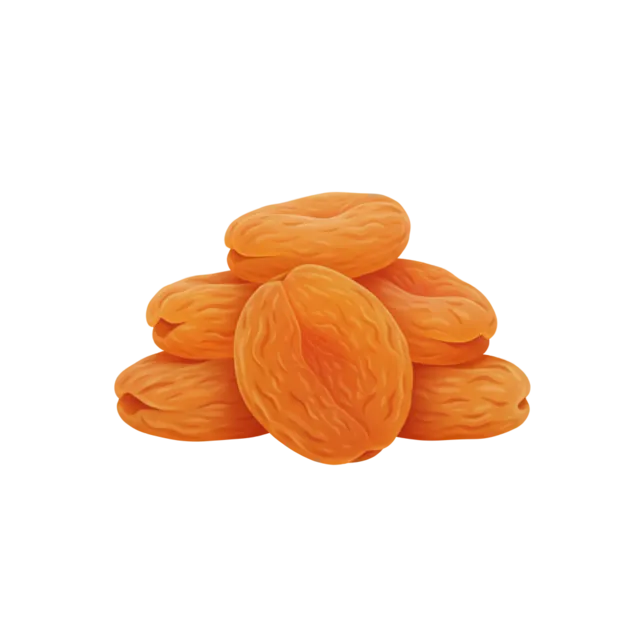
If you have asthma and you react to wine, dried apricots or restaurant chips, sulphites are a reasonable first suspect. We have written this up in full in high-sulphite foods.
For people without asthma, the evidence of harm is much weaker, and sulphites remain a common reported trigger for headaches without a confirmed mechanism.
Nitrites and cancer risk
Nitrites in cured meat can form nitrosamines, which are carcinogenic, and processed meat is classified as carcinogenic to humans largely on this basis.2
Two things temper that. The risk builds with regular consumption over years, so an occasional bacon sandwich is not the concern, and vegetables account for most dietary nitrate for most people, though the chemistry there behaves differently because vegetables come packaged with vitamin C, which inhibits nitrosamine formation.
"Nitrite-free" cured meat is usually cured with celery powder, which is naturally high in nitrate that converts to nitrite during curing. The chemistry ends up much the same, and only the label is different.
Benzoates, sorbates and propionates
These three classes carry most of the volume and the least evidence.
Benzoates have one specific issue: in the presence of vitamin C and heat, sodium benzoate can form small amounts of benzene. Manufacturers reformulated after this was found in soft drinks in the mid-2000s, and current levels are far below the limits.
Sodium benzoate also appears alongside artificial colours in the studies on attention in children, which makes it impossible to say which of the two was responsible.
Sorbates and propionates have very little against them. Propionate sensitivity is reported in a small number of people, mostly as headaches, and the evidence comes from case reports, with no trials.
How to test them
Each class sits mostly in one aisle, which makes them easier to isolate than they look.
To test sulphites, cut wine, dried fruit, processed potato products and anything with a sulphite warning for two weeks. To test benzoates, cut soft drinks, squash and bottled sauces. To test propionates, switch to fresh bakery bread or bake your own, since that is where nearly all of it comes from.
Two weeks per class, one class at a time, with the rest of your diet steady. Write down the days nothing happened as well as the days something did.
Journal your day in 30 seconds, find your triggers.


Where Triggerbites fits in
This list comes from the food data inside Triggerbites, where every preservative and antioxidant is graded by name and by class.
Preservatives come inside ordinary products, and nobody remembers on Thursday which sauce they used on Monday. You journal your day in plain words or by voice, in about 30 seconds: "toast and a coffee for breakfast, a ham sandwich and a Coke Zero for lunch, a glass of wine with dinner, headache in the evening." The app finds the packaged products in a catalog of over a million and lists the preservatives each one carries. Scanning the barcode or photographing the label works too.
Over a month the app ranks what your symptoms keep following, including reactions that show up days later, and it can point at a whole class. That is the record a two-week test needs, and the one to take to your doctor if the question is sulphites and asthma.




Triggerbites Features
- Log your day in 30 seconds: Text, voice or photo. Log as you go, or recap it all in the evening.
- Your food, broken down: Meals become ingredients and sensitivity profiles: histamine, salicylates, FODMAPs, allergens, and even the additives on packaged food.
- Everything in the same journal: Symptoms, supplements, sleep, stress, exercise and mood, beside what you ate.
- See what repeats over time: Patterns between what you eat and how you feel, including delayed reactions that show up days later.
Common questions
Which preservatives cause the most problems?

Sulphites, which trigger asthma attacks in roughly one in twenty people with asthma, and nitrites in cured meat, which carry a population-level cancer risk. The rest, mainly benzoates, sorbates and propionates, have much less against them.
Are nitrite-free cured meats better?
Usually not. They are typically cured with celery powder, which is naturally high in nitrate that converts to nitrite during curing. The chemistry ends up much the same, so the claim on the label changes less than it suggests.
Is sodium benzoate dangerous?
It has one specific issue: with vitamin C and heat it can form small amounts of benzene. Manufacturers reformulated after this was found in soft drinks in the mid-2000s and current levels sit far below the limits.
What preservative is in bread?
Calcium or sodium propionate, which stops the mould that would otherwise make bread go off in a few days. It is in almost all supermarket bread and absent from fresh bakery bread, which makes it one of the easiest preservatives to test.
What is the difference between a preservative and an antioxidant?
A preservative stops microbes growing. An antioxidant stops fats going rancid and colours fading. BHA, BHT, propyl gallate and TBHQ are antioxidants, and they share the same number range as the preservatives.
How do I test whether preservatives affect me?
One class at a time, two weeks each. Sulphites means cutting wine, dried fruit and processed potato. Benzoates means soft drinks and bottled sauces. Propionates means switching to fresh bakery bread. Keep the rest of your diet steady.
Live, love, log. 🧡
References
- 1Bush RK, et al. "Prevalence of sensitivity to sulfiting agents in asthmatic patients" American Journal of Medicine, 1986PubMed
- 2International Agency for Research on Cancer "Carcinogenicity of consumption of red and processed meat"PubMed
 PubMed
Article References and Citations
- Bush RK, et al.: "Prevalence of sensitivity to sulfiting agents in asthmatic patients", American Journal of Medicine, 1986 - https://pubmed.ncbi.nlm.nih.gov/3535492/
- International Agency for Research on Cancer: "Carcinogenicity of consumption of red and processed meat" - https://pubmed.ncbi.nlm.nih.gov/26514947/