High-nickel foods: the complete list
Nickel isn't just a metal in jewellery - it's in food too, and for some people that matters.
Most people know nickel as the metal that turns earrings and watch-backs into an itchy problem. Fewer know that nickel is also a trace element in food - and that, for a subset of people with nickel allergy, dietary nickel can matter too.
If that's you, here's the complete list of high-nickel foods, and a plain explanation of why.
What nickel sensitivity to food is
Nickel allergy is one of the most common contact allergies - the rash you get from metal jewellery. In a subset of people who have it, eating foods relatively high in nickel can trigger systemic symptoms as well as skin flare-ups: gut, skin and other extracutaneous complaints. This is called systemic nickel allergy syndrome (SNAS).1
It's important to keep this in proportion: SNAS affects a specific group - people who already have a confirmed nickel contact allergy - not the general population. For them, a low-nickel diet is the recognised approach, and studies show symptom improvement when high-nickel foods are reduced.13
Nickel concentrates in plant foods - particularly legumes, nuts and seeds, whole grains, soy, and cocoa - because plants draw it up from soil. Meat, fish, dairy and refined grains are generally much lower.2
The high-nickel foods
Below is the full list of high-nickel foods - drawn directly from the Triggerbites ingredient database.












Every food our database grades for nickel, highest first. Each one links to its own page.
Worth avoiding68 foods

| Food | Notes |
|---|---|
| Acorn nuts | Edible only after leaching to remove bitter tannins. Not a common allergen, but rare acorn allergy reported; tree‑nut‑allergic people shouldn’t assume cross‑tolerance. |
| Adzuki beans | Legume high in GOS—gas‑forming for many with IBS; soaking/pressure‑cooking helps a bit. Small serves may be tolerated after reintroduction. |
| Almond butter | Low FODMAP only in a small serve (see Monash app). Tree‑nut allergen; also naturally higher in oxalates. |
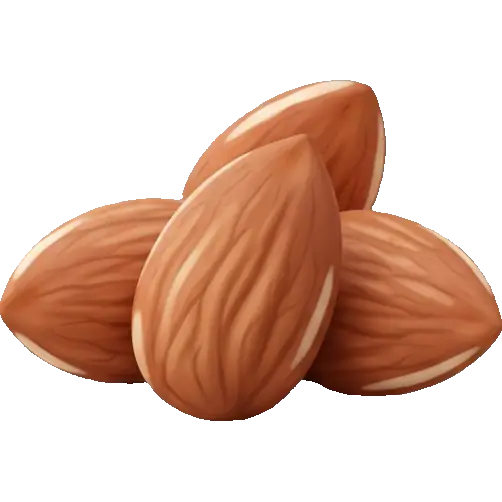
| Almonds | Almonds are oval tree nuts with mild flavor. A versatile nut eaten whole or as flour and milk. |
| Areca nuts | Also called betel nut—Group 1 carcinogen; not recommended as a ‘food’. Avoid chewing; significant oral cancer risk. |
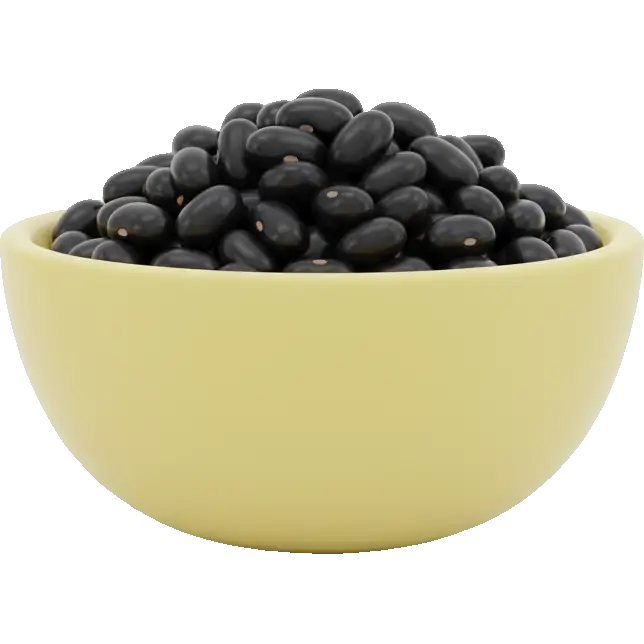
| Black beans | Black beans are small shiny dark legumes. A meaty bean popular in Latin American cuisine. |
| Brazil nuts | Brazil nuts are large crescent-shaped nuts. A rich creamy nut from Amazon rainforest trees. |
| Buckwheat | Buckwheat is a triangular pseudocereal seed. A nutty gluten-free grain for pancakes. |
| Cashew nuts | High FODMAP (GOS/fructans). Also among higher‑nickel nuts; limit if nickel‑sensitive. |
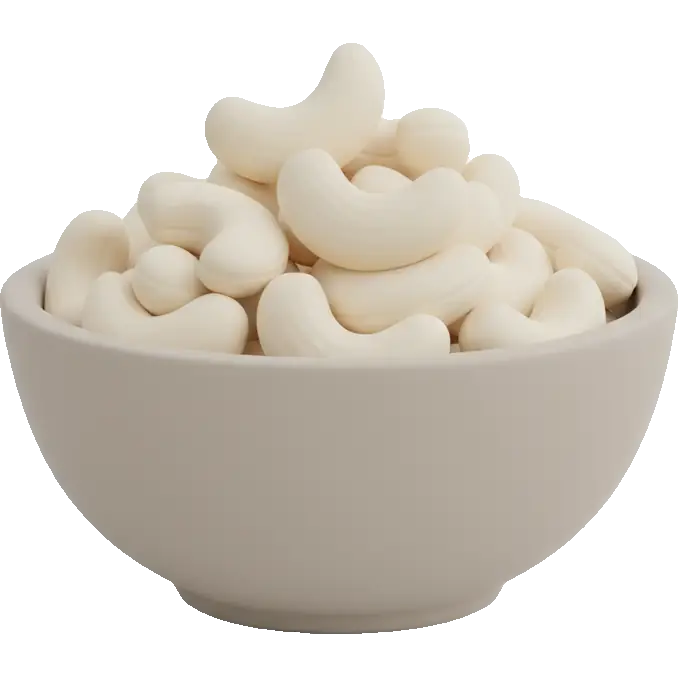
| Cashews | Cashews are curved creamy nuts. A rich buttery nut used in cooking and snacking. |
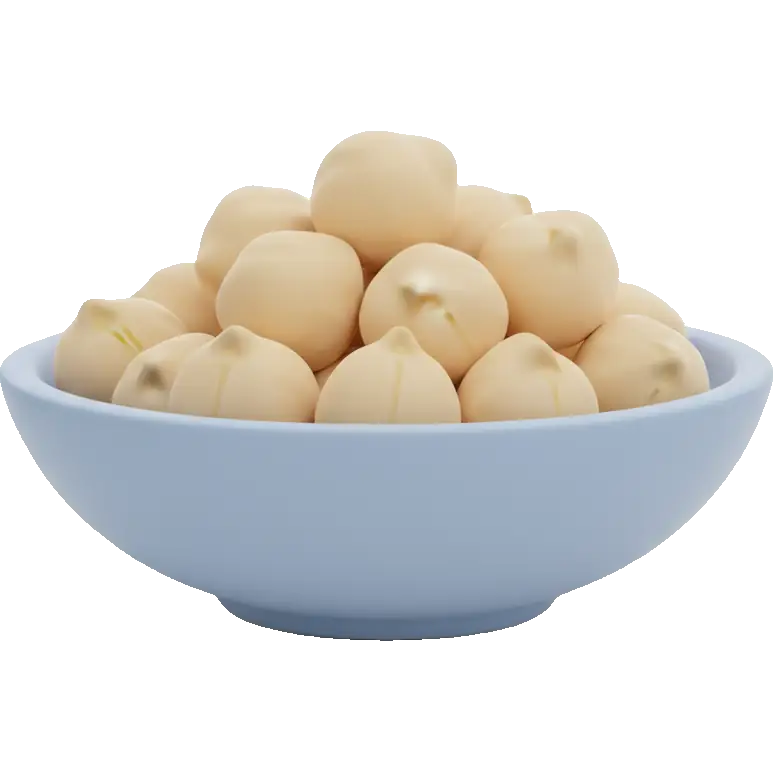
| Chickpeas | Chickpeas are round beige legumes. A nutty versatile bean used in hummus and curries. |
| Cocoa | Cocoa is processed cacao powder. A chocolate flavoring for baking and beverages. |
| Dark chocolate | 70%+ cocoa. Strong anti-inflammatory from flavanols. HIGH oxalate and nickel—avoid for kidney stones and SNAS. Low FODMAP at 30g. Check for hidden dairy. |
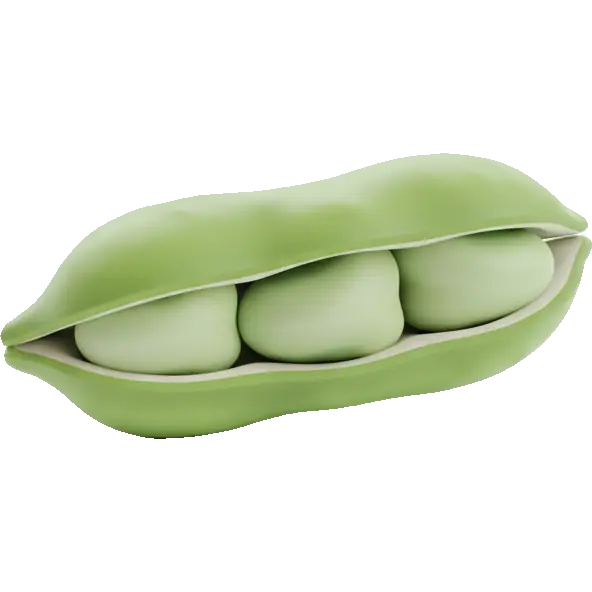
| Fava beans | Dried broad beans are high in GOS; typical portions are high FODMAP. |
| Flageolet beans | Dried French beans; like other legumes they are high in GOS unless portioned very small/pressure‑cooked. |
| Gluten-free oats | Oats grown and milled without wheat contact; safe for most coeliacs though a minority react to avenin. |
| Green peas | Green peas are sweet seeds in pods. A tender spring vegetable eaten fresh or frozen. |
| Hazelnut | Hazelnut is a round brown nut in a husk. A sweet rich nut used in chocolate and baking. |
| Hemp hearts | Shelled hemp seeds; low FODMAP up to ~2 Tbsp per Monash-derived guidance. |
| Hemp protein | De-oiled hemp seed cake milled into powder; keeps the seed fibre so a full 30g scoop goes well past the 20g serve tested for hemp seeds. Start with half a scoop and build up. Pressing out the oil concentrates minerals so nickel runs higher than whole seeds; naturally gluten-free but check for shared-mill warnings. |
| Horse gram | High in GOS like other legumes; soak/pressure-cook to reduce FODMAPs. |
| Hulled sesame seeds | Sesame seeds: low FODMAP in small serves (~2 Tbsp); higher in oxalates and nickel. |
| Kamut flour | Ancient wheat containing gluten; high in fructans—avoid for coeliac and low-FODMAP. |
| Karuka nuts | Papua New Guinea nut; no FODMAP lab data—treat like other nuts (watch GOS/portion). |
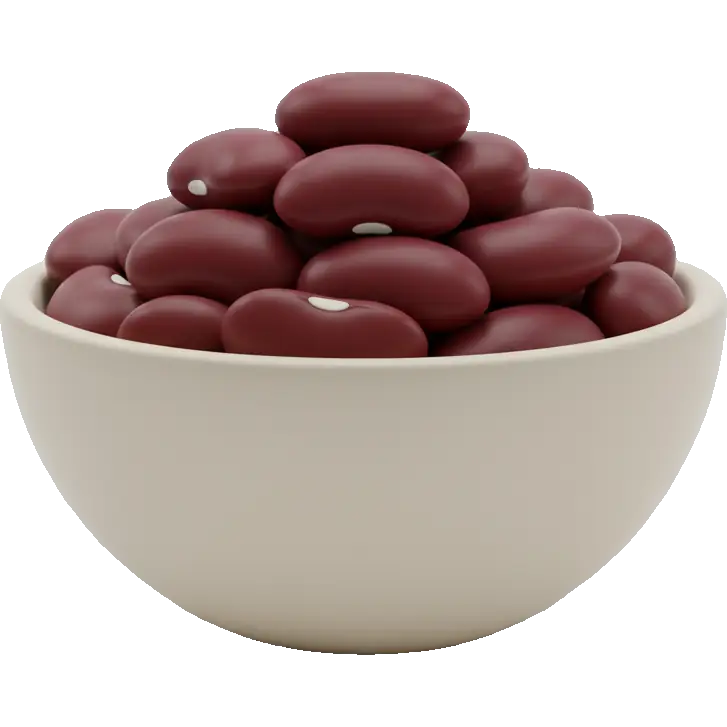
| Kidney beans | Kidney beans are large red kidney-shaped beans. A meaty bean used in chili and red beans and rice. |
| Kukui nuts | Also called candlenut; limited FODMAP data—use sparingly like other high‑fat nuts. |
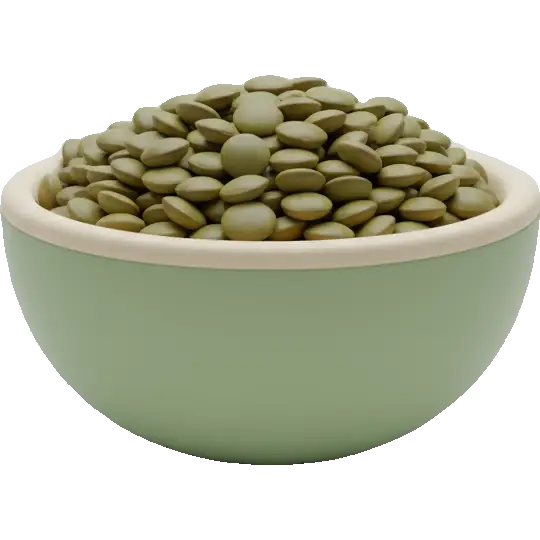
| Lentils | Lentils are small lens-shaped legumes. A quick-cooking protein-rich legume in many colors. |
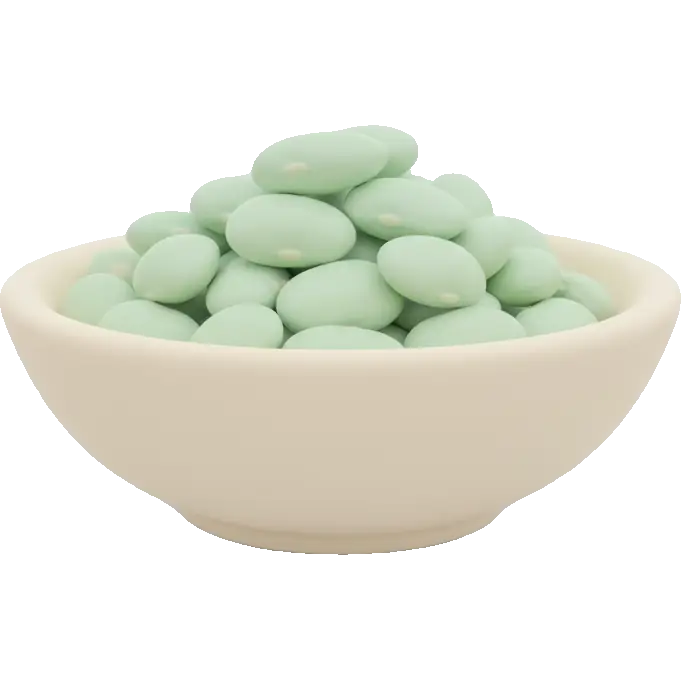
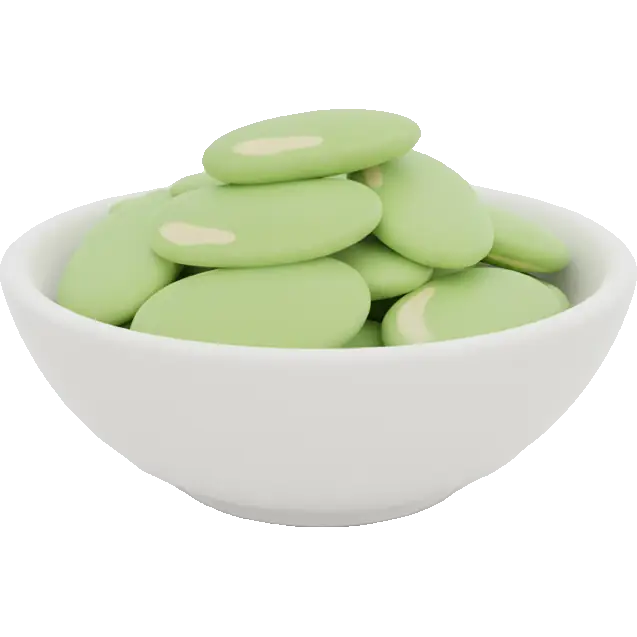
| Lima beans | Lima beans are large flat pale green beans. A starchy creamy bean also called butter beans. |
| Lupin beans | Very high in GOS like other legumes; pickled/rinsed small serves may be better tolerated. |
| Mung beans | Like other legumes, high in GOS; small canned/soaked portions may be better tolerated. (Sprouts differ.) |
| Niger seeds | Also called nyjer/guizotia; limited human data—treat like other small seeds and watch portion. |
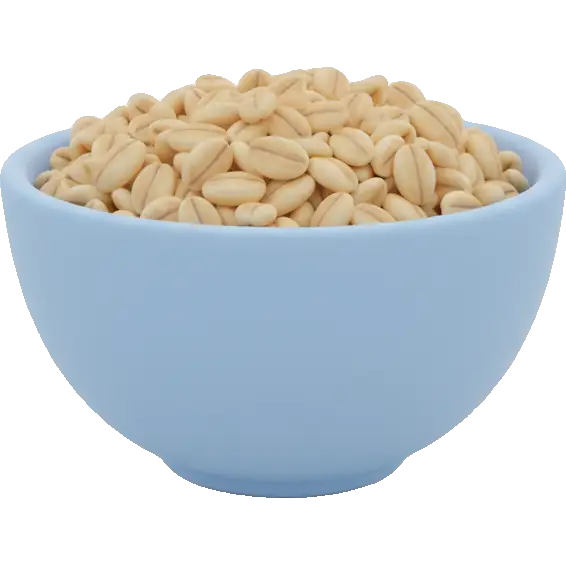
| Oats | Oats are a cereal grain from the oat plant. A hearty grain commonly eaten as oatmeal. |
| Peanut butter | Low FODMAP at ~2 Tbsp; choose pure peanut-only spreads (no HFCS/inulin). |
| Peanuts | Peanuts are legumes that grow underground. A crunchy protein-rich nut-like legume. |
| Pecan butter | Nut butter; small serves are low FODMAP. Choose no‑added sweeteners. |
| Pecans | Pecans are buttery nuts from pecan trees. A rich sweet nut native to North America. |
| Pigeon peas | Legume high in GOS; soaking/pressure-cooking helps but standard servings are high FODMAP. Also high in lectins and nickel. |
| Pili nuts | Very high-fat nut; limited FODMAP data (likely low due to low carbs). Tree nuts can be high in nickel; watch portions if nickel-sensitive. |
| Pine nut | Pine nut is the edible seed of pine trees. A small rich nut essential in pesto. |
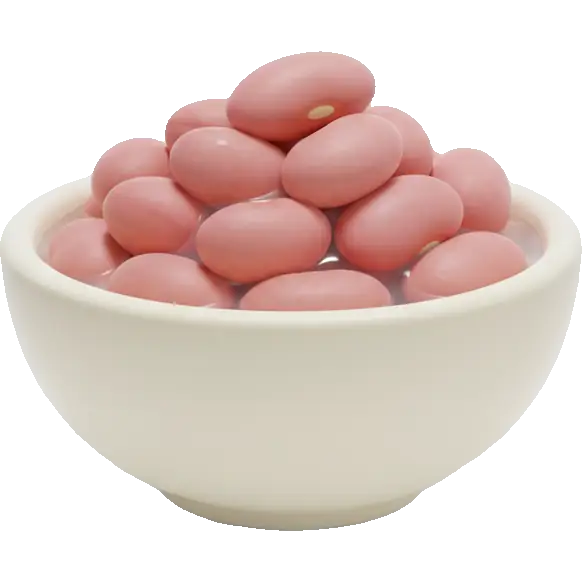
| Pink beans | Common bean; high in GOS at standard serves. Rinsing canned beans and small portions improve tolerance, but still often high FODMAP. |
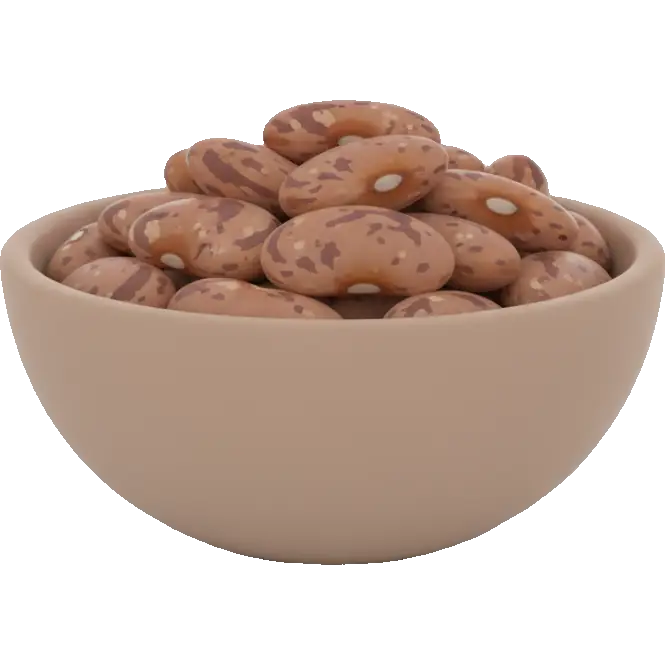
| Pinto beans | Pinto beans are speckled beige and brown beans. A creamy bean essential in Mexican refried beans. |
| Pistachios | Pistachios are green nuts in split shells. A sweet slightly savory nut with distinctive color. |
| Red beans | Legume; high GOS unless canned/rinsed. Legumes are also higher in nickel; start with small serves. |
| Red lentils | High GOS (and some fructans). Canned/rinsed or small serves reduce FODMAP load. |
| Rolled barley | Rolled barley is flattened barley grains. A quick-cooking barley for cereals and baking. |
| Rye flour | Rye flour is ground rye grain. A dense flour used in breads like pumpernickel. |
| Sacha inchi seeds | Sacha inchi seeds are star-shaped Peruvian seeds. A protein-rich seed high in omega fats. |
| Safflower seeds | Safflower seeds are oil-rich seeds from safflower. A seed pressed for cooking oil. |
| Semolina | Semolina is coarse durum wheat flour. A grainy flour used for pasta and couscous. |
| Sesame paste | Sesame paste is ground sesame seeds. A thick paste used in hummus and Asian sauces. |
| Sesame seeds | Sesame seeds are tiny flat oval seeds. A nutty seed used in baking and Asian cuisine. |
| Soy beans | Soybeans are protein-rich Asian legumes. A versatile bean made into tofu tempeh and milk. |
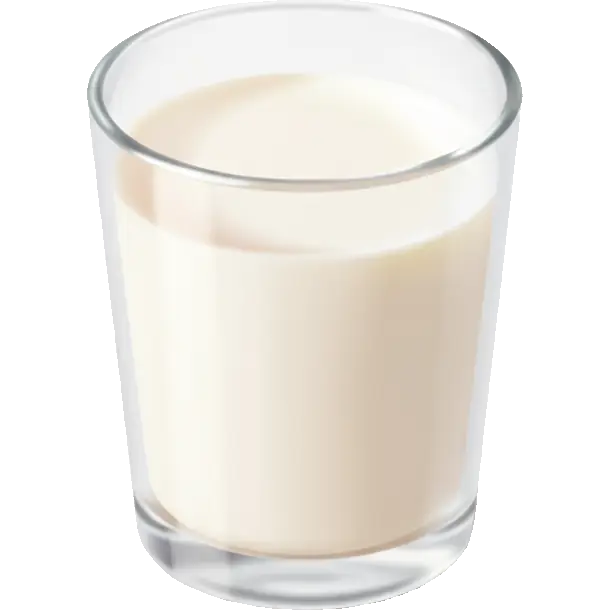
| Soy milk | Soy milk is plant-based soybean beverage. A protein-rich dairy alternative. |
| Soy nuts | Roasted soybeans; high in GOS (like other legumes). Small serves may still trigger symptoms. |
| Soy protein | Powdered isolate or concentrate from defatted soybeans; the fermentable carbs are stripped in processing so it stays low FODMAP unlike whole soybeans. Still soy at heart: high in oxalate and nickel and a recognised histamine liberator; off the table for soy allergy or an EoE elimination trial. Flavoured powders often add inulin or polyol sweeteners so scan the label. |
| Soy yogurt | Fermented soy milk with live cultures; no lactose or dairy protein; histamine and tyramine rise with culture time. |
| Spinach | Spinach is a nutritious dark leafy green. A mild versatile vegetable eaten raw or cooked. |
| Split chickpeas | Also called chana dal/split garbanzo. Standard chickpea servings are high in GOS; some split/soaked forms test lower—portion and preparation matter. |
| Split lentils | Dehulled/red/yellow lentils can be lower FODMAP than whole at small serves, but still contain GOS—rinsing/cooking water discard helps. |
| Sunflower seeds | Sunflower seeds are striped seeds from sunflowers. A nutritious snack seed eaten roasted. |
| Tahini | Sesame paste; low FODMAP in ~2 Tbsp serves. Higher in oxalates and nickel—watch portions. |
| Tempeh | Fermented whole soybean cake; low FODMAP but high in histamine and tyramine from fermentation. |
| Tiger nuts | A tuber, not a nut. Monash lists low FODMAP at small serves (~20 g). Rich in resistant starch. |
| Tofu | Tofu is pressed soybean curd. A mild protein-rich food that absorbs flavors well. |
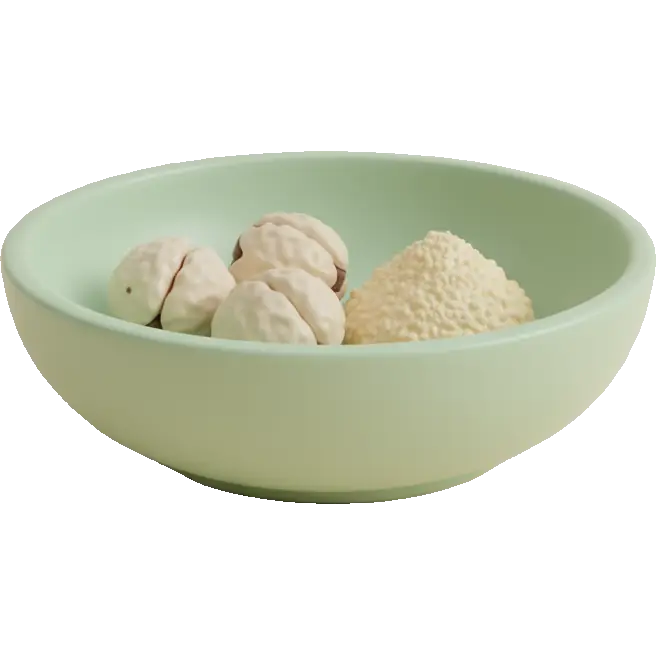
| Walnuts | Walnuts are wrinkled brain-shaped nuts. A rich slightly bitter nut with earthy flavor. |
| Wheat bran | Wheat bran is the outer layer of wheat kernels. A fiber-rich byproduct of flour milling. |
| Wheat germ | Wheat germ is the nutrient-rich wheat embryo. A nutritious part of wheat kernel. |
| White or navy beans | White or navy beans are small oval white beans. A mild creamy bean used in soups and baked beans. |













Moderate78 foods
| Food | Notes |
|---|---|
| Allspice | A spice (Pimenta dioica). Spices are FODMAP‑free but can be high in salicylates—relevant for those with salicylate sensitivity. |
| Almond yogurt | Cultured almond milk; no lactose or dairy protein; higher oxalate than dairy yogurt; tree nut allergen. |
| Amaranth grain | Naturally gluten‑free pseudocereal. Fiber‑dense—introduce gradually if sensitive; cross‑contact with gluten can occur, so seek certified GF if needed. |
| Anise | Aromatic spice (Pimpinella anisum). FODMAP‑free but often high in salicylates; rare true spice allergies occur. |
| Annatto | Natural colorant from achiote; generally tolerated but occasional allergic reactions reported. FODMAP‑free. |
| Avocado | Avocado is a creamy green fruit with pit. A buttery fruit used in savory and sweet dishes. |
| Banana | Banana is a curved yellow tropical fruit. A sweet creamy fruit eaten fresh or cooked. |
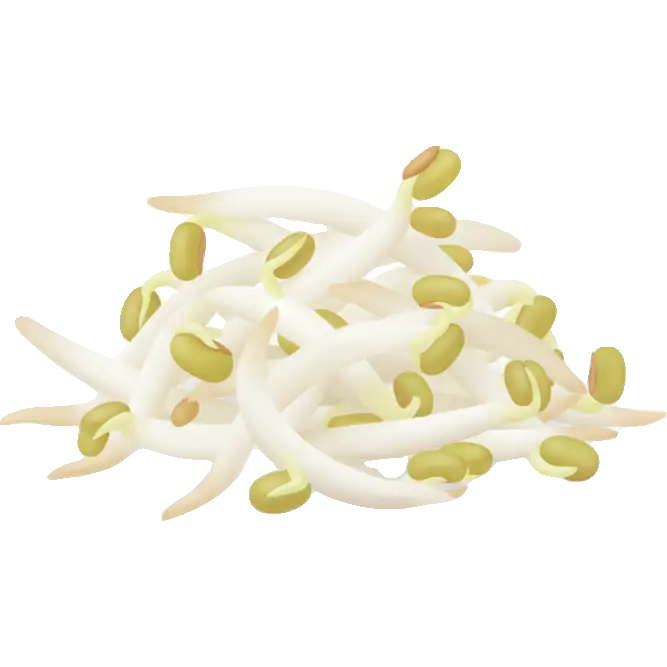
| Bean sprouts | Bean sprouts are germinated mung beans. A crisp sprout used in Asian stir-fries. |
| Black tea | Black tea is fully oxidized tea leaves. A bold caffeinated beverage enjoyed worldwide. |
| Broccoli | Broccoli is a green cruciferous vegetable. A nutritious vegetable with tree-like florets. |
| Candlenuts | Also called kukui. RAW nuts are toxic (saponins/phorbol esters) — always roast/cook first. High‑nickel nuts may aggravate nickel‑sensitive dermatitis. |
| Cedar nuts | Also called pine nuts. Low FODMAP in small (~14 g) serves; nuts are typically higher in nickel. |
| Celery | Celery is a crunchy stalk vegetable. A mild vegetable used raw and in cooking. |
| Chana dal | Split chickpeas; lower FODMAP than whole chickpeas but still GOS‑rich—keep serves small (brand/soak dependent). |
| Clams | Clams are bivalve shellfish. A briny shellfish eaten steamed raw or in chowders. |
| Coconut butter | Purée of coconut flesh (not oil); small serves may be low FODMAP, larger become high due to polyols. |
| Crab | Crab is a crustacean shellfish. A sweet delicate seafood eaten in many preparations. |
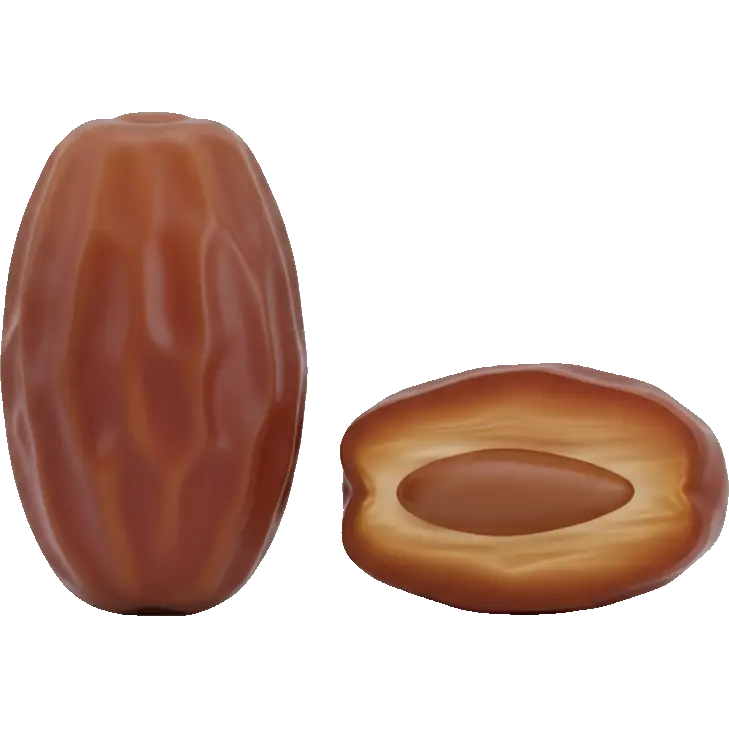
| Date | Date is a sweet dried stone fruit. A chewy caramel-flavored fruit from palm trees. |
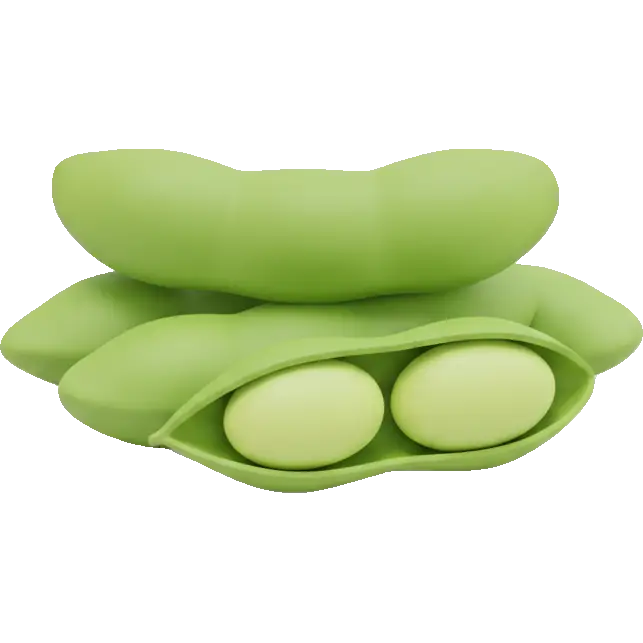
| Edamame | Low FODMAP around 75 g (½ cup) shelled; larger serves increase GOS. |
| Egusi seeds | West African melon seeds; no formal FODMAP lab data—used in small amounts in stews. |
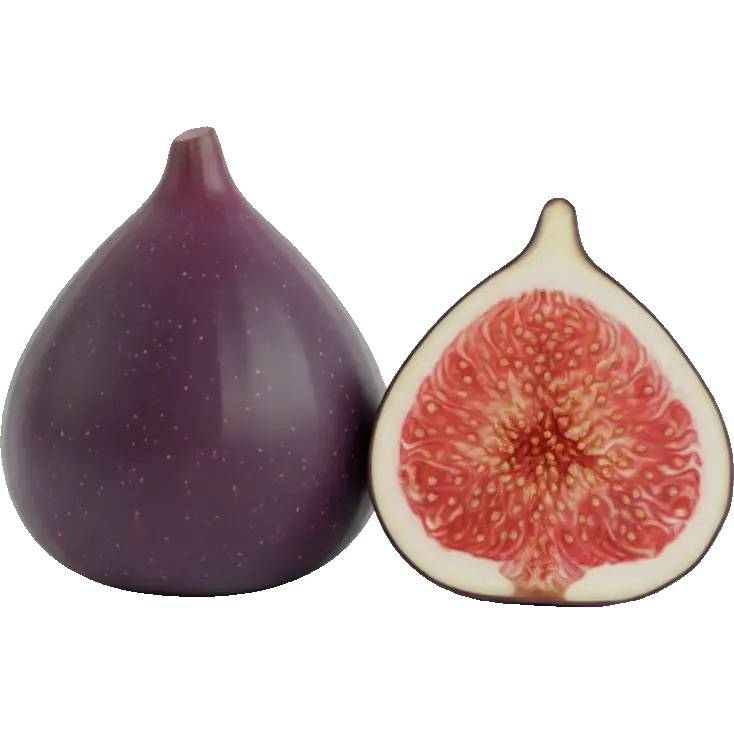
| Fig | Fig is a soft teardrop fruit with seeds. A sweet honey-flavored fruit eaten fresh or dried. |
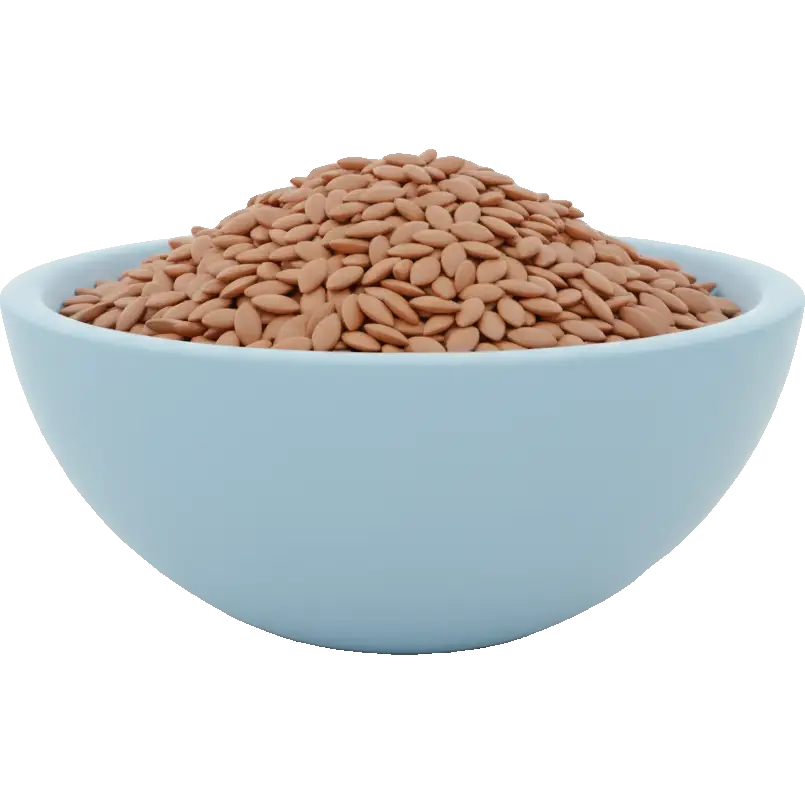
| Flax seeds | Flax seeds are small brown or golden seeds. A nutritious seed rich in omega-3 fatty acids. |
| Freekeh | Cracked green wheat (contains gluten). High in fructans. Not allowed on AIP or EoE 6-FED (wheat). |
| Gluten-free cereal | Breakfast cereal from rice corn or certified oats; varies widely so check for added sugar dried fruit and inulin. |
| Gluten-free soy sauce | Assumes certified gluten-free tamari/rice-brewed soy sauce made from soybeans; salt and gluten-free grain or no grain. Low FODMAP by serving/subtypes; but fermented soy is high concern for histamine/tyramine and free glutamates; high sodium makes it weak for DASH. Soy allergen makes it poor for EoE elimination. |
| Goji berry | Usually sold dried. |
| Green bean | Green bean is an immature bean pod. A tender vegetable also called string bean. |
| Green lentils | High in GOS; canned/rinsed or small boiled portions are better tolerated. |
| Green tea | Green tea is unoxidized tea leaves. A light grassy beverage with mild caffeine. |
| Hemp seeds | Hemp seeds are seeds from hemp plants. A nutritious seed with nutty flavor. |
| Hummus | Chickpeas + tahini + garlic. Canned/rinsed chickpeas and garlic-infused oil versions are gentler. |
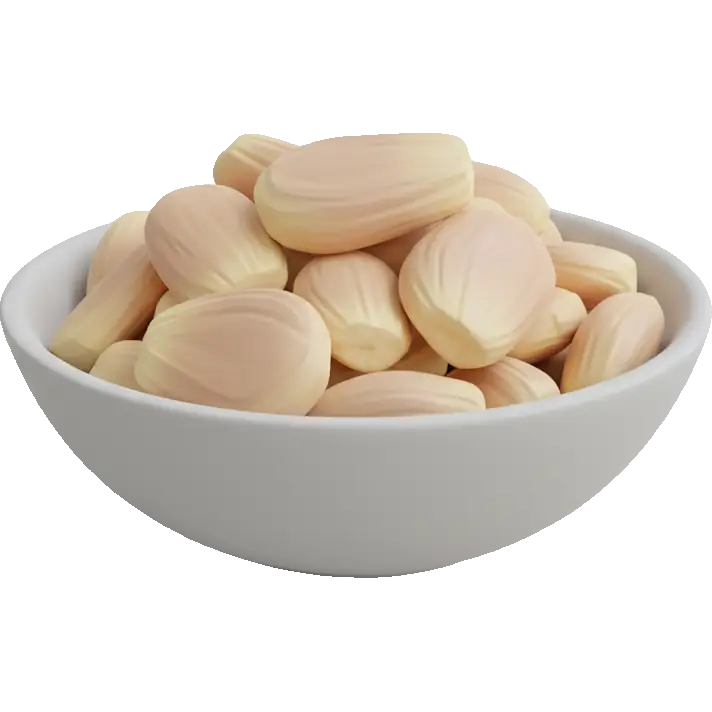
| Jackfruit seeds | Consumed boiled/roasted in some cuisines; limited FODMAP data—may behave like legumes. |
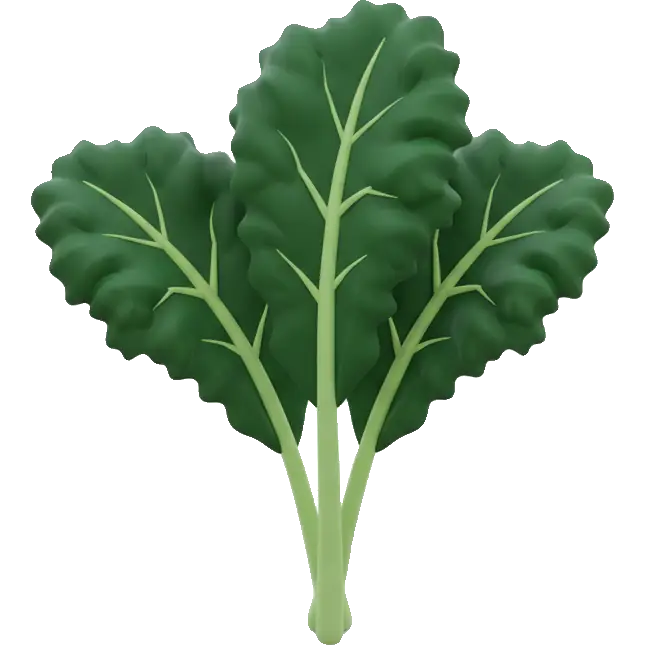
| Kale | Kale is a hearty leafy cruciferous green. A nutritious vegetable with earthy flavor. |
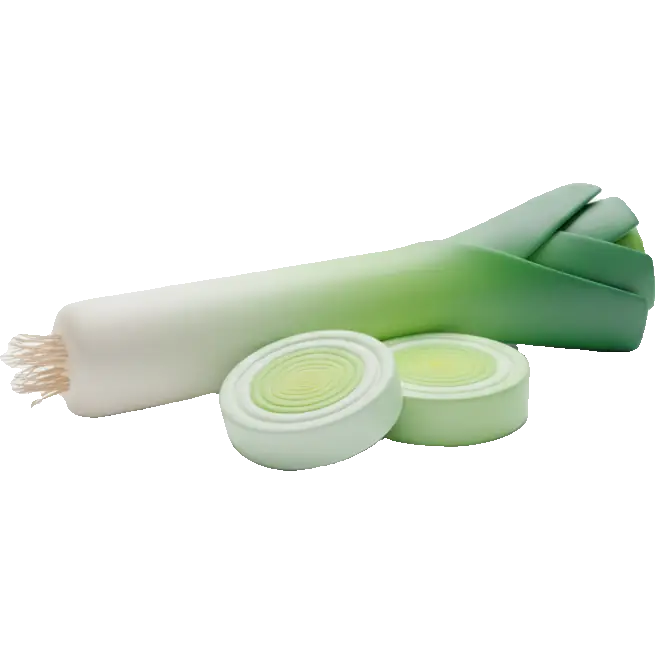
| Leek | Leek is a mild onion-family vegetable. A sweet subtle allium used in soups and sides. |
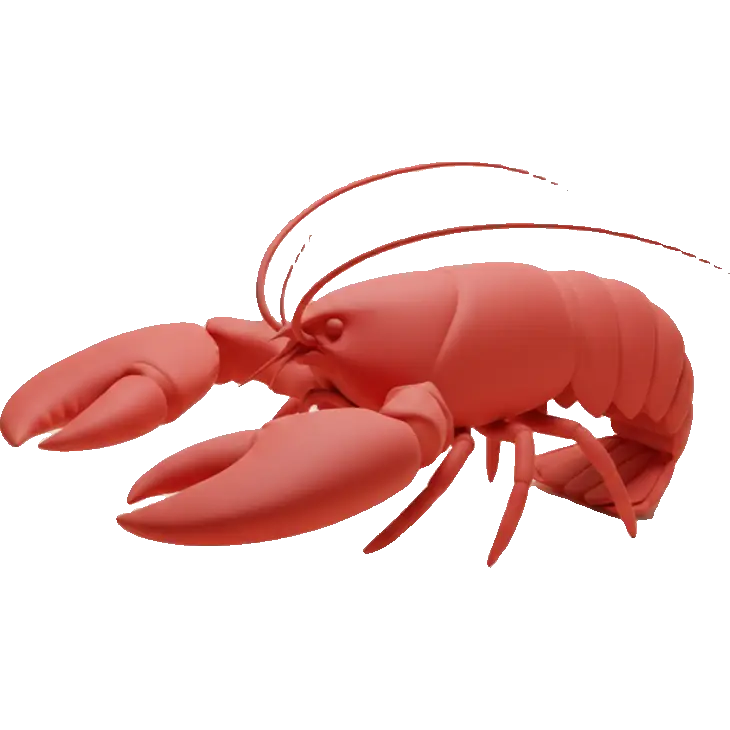
| Lobster | Lobster is a large marine crustacean. A prized sweet shellfish considered a luxury food. |
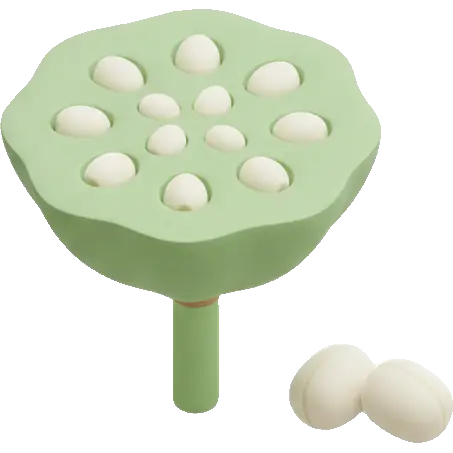
| Lotus seeds | Also called fox nuts/makhana; moderate FODMAP—watch portions (GOS). |
| Macadamia nuts | Macadamia nuts are round buttery Hawaiian nuts. A rich creamy nut with subtle sweet flavor. |
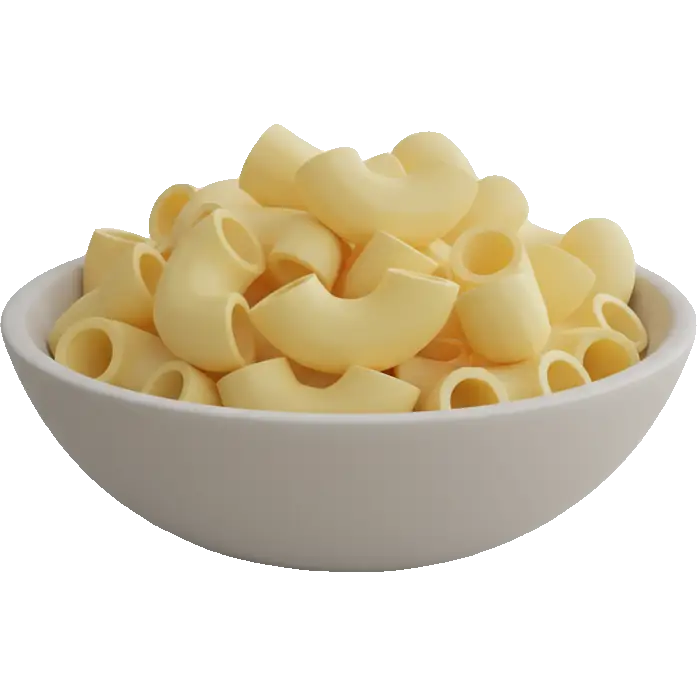
| Macaroni | Wheat pasta → gluten and high fructans at standard serves; choose GF pasta for low FODMAP/coeliac. |
| Malt syrup | Made from barley; often contains gluten. High in fructans → not low FODMAP. Sweeter than sugar; use rice malt syrup instead if low FODMAP. |
| Mango chutney | Usually contains mango (excess fructose) plus onion/garlic and sugar. Brands vary—check labels; small serves may still trigger. |
| Melon seeds | Similar to pumpkin/sunflower seeds—generally low FODMAP in modest serves. Nutrient‑dense; watch portions if low‑residue diet. |
| Milk chocolate | 30-40% cocoa. Low FODMAP at 20g (lactose limiting). Lower oxalate than dark but contains dairy proteins. Watch for barley malt. High sugar offsets flavanol benefits. |
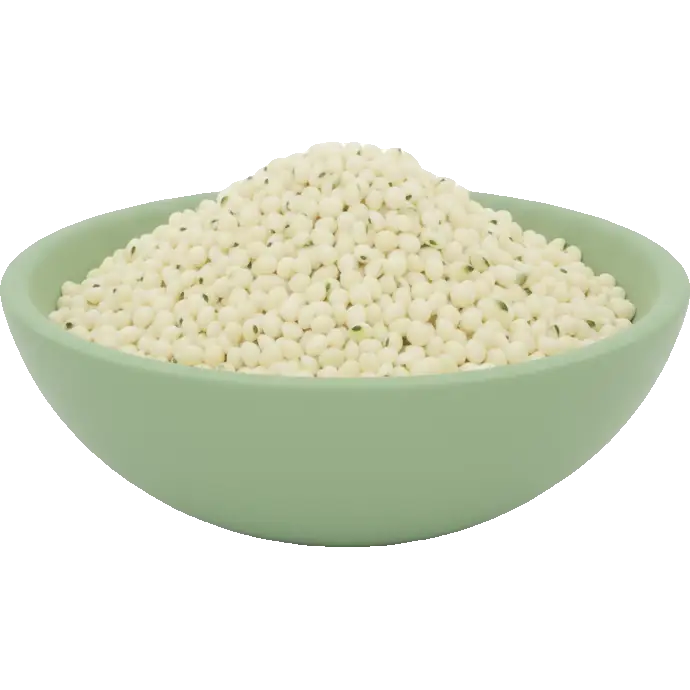
| Millet flour | Naturally gluten‑free grain flour. Generally low FODMAP in typical serves; whole‑grain → moderate starch for SIBO—watch portion. |
| Molasses | Molasses is syrup from sugar refining. A dark thick sweetener with robust flavor. |
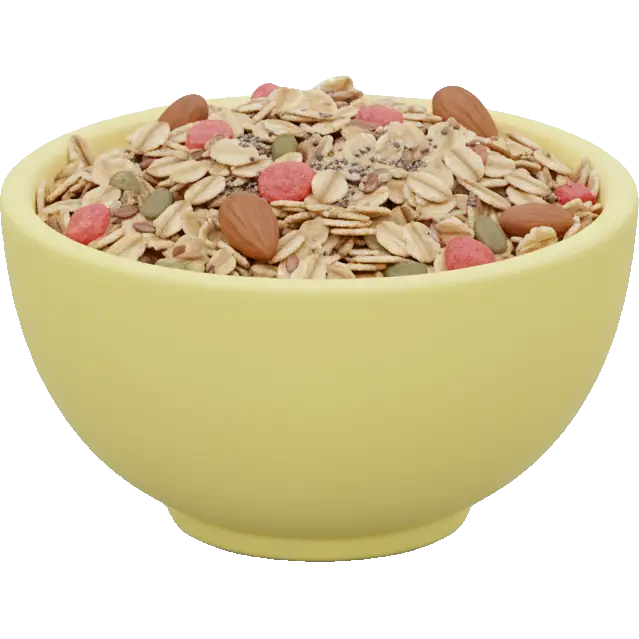
| Muesli cereal | Varies by recipe: oats + nuts + dried fruit often drive fructans/GOS/polyols; choose GF oats and low-FODMAP fruit. |
| Navy beans | High in GOS; canned and well-rinsed small portions are better tolerated. |
| Oat milk | Oat milk is plant-based oat beverage. A creamy slightly sweet dairy alternative. |
| Oat yogurt | Cultured oat milk; lactose-free; oats carry gluten cross-contact unless certified; higher FODMAP than other plant yogurts. |
| Orzo | Wheat pasta shape → gluten; high in fructans at regular serves. |
| Oyster | Oyster is a bivalve shellfish. A briny delicacy eaten raw or cooked. |
| Pea protein | Plain pea protein isolate/concentrate from yellow peas. Typically gluten-free and low FODMAP because most fermentable carbs are removed; assumes no inulin; polyols or flavour additives. Legume-derived; so not Paleo/AIP; lectin and nickel concern can vary by processing. |
| Poppy seeds | Poppy seeds are tiny blue-gray seeds. A nutty crunchy seed used in baking. |
| Prawn | Prawn is a large shrimp-like crustacean. A sweet shellfish larger than typical shrimp. |
| Prune | Prune is a dried plum. A sweet chewy dried fruit with concentrated flavor. |
| Pumpkin seeds | Pumpkin seeds are flat green seeds from pumpkins. A nutritious seed eaten roasted as pepitas. |
| Raisins | Raisins are dried grapes. A sweet chewy dried fruit for baking and snacking. |
| Raspberry | Raspberry is a soft red aggregate fruit. A sweet-tart delicate berry. |
| Rice protein | Protein extracted from brown rice; often blended with pea protein for a fuller amino acid profile. Naturally gluten-free and low FODMAP at a 40g serve assuming no added inulin or polyol sweeteners. Brown rice keeps the bran so nickel and lectins run a little higher than white rice; third-party heavy-metal testing is worth a look. |
| Rye | Rye is a cereal grain related to wheat. A hearty grain with distinctive tangy flavor. |
| Sardines | Sardines are small oily fish. A nutritious fish often canned in oil or sauce. |
| Satay sauce | Satay sauce is peanut-based dipping sauce. A creamy Southeast Asian condiment. |
| Sauerkraut | Sauerkraut is fermented shredded cabbage. A tangy probiotic condiment from Germany. |
| Scallops | Scallops are bivalve shellfish. A sweet tender shellfish with delicate flavor. |
| Seaweed | Seaweed is edible marine algae. A nutritious sea vegetable used in Asian cuisines. |
| Sesame dressing | Sesame dressing is Asian sesame-based sauce. A nutty tangy salad dressing. |
| Shiitake mushroom | Intensely umami mushroom; very high free glutamate and notable histamine; drying concentrates both. |
| Shrimp | Shrimp is a small swimming crustacean. A sweet popular shellfish eaten worldwide. |
| Snow peas | Snow peas are flat edible-pod peas. A sweet crisp vegetable eaten whole. |
| Soy sauce | Soy sauce is fermented soybean liquid. A salty umami seasoning essential in Asian cooking. |
| Squash seeds | Squash seeds are edible seeds from squash. A nutritious seed similar to pumpkin seeds. |
| Swiss chard | Swiss chard is a leafy green with colorful stems. A nutritious vegetable related to beets. |
| Tortellini | Wheat pasta + cheese/meat filling → gluten + lactose. Choose GF, lactose-free versions if needed. |
| Urad dal | Like most legumes, high in GOS (a FODMAP). Soaking/cooking/canning can lower GOS; small portions after reintroduction. |
| Wheat | Wheat is a cereal grain and global staple. The most widely grown crop used for flour. |
| White beans | High GOS; canned & well-rinsed small portions are better tolerated than boiled. Reintroduce cautiously. |
| Winged beans | Legume; likely high GOS. Soaking/cooking may lower FODMAPs but data limited—trial small amounts after reintro. |
| Yellow lentils | Dehulled lentils still contain GOS. Canned/rinsed small portions are often better tolerated than boiled. |
| Yellow split peas | High in GOS; small serves may be tolerated post-reintroduction. |


















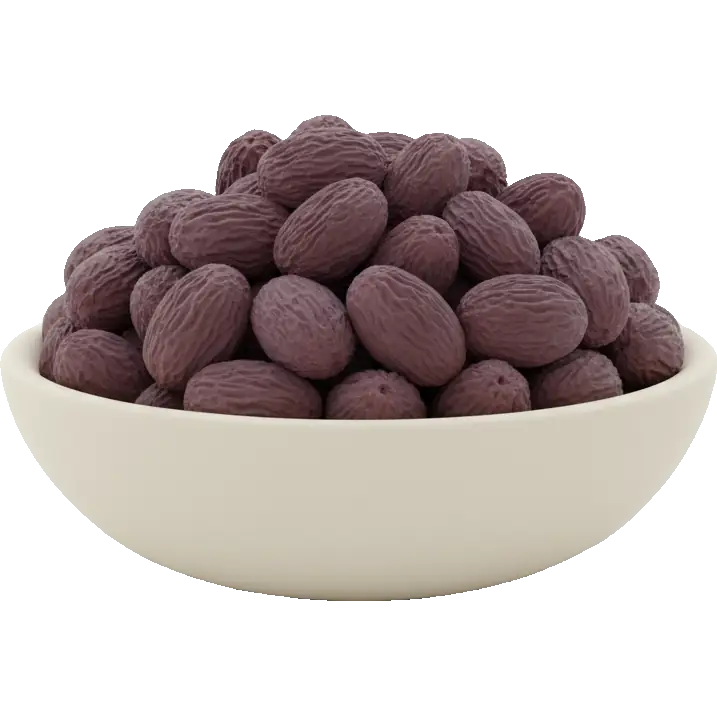



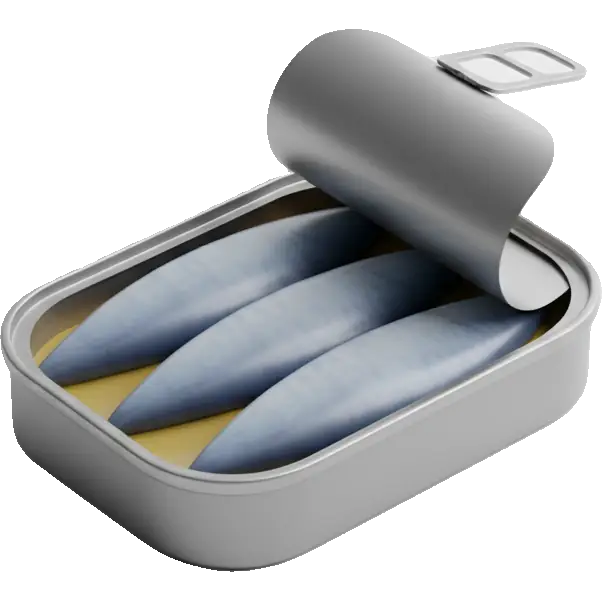
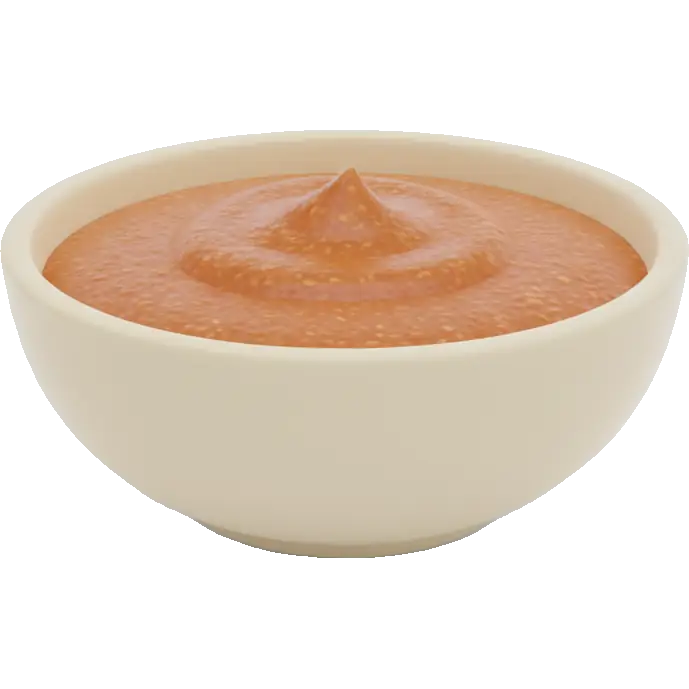
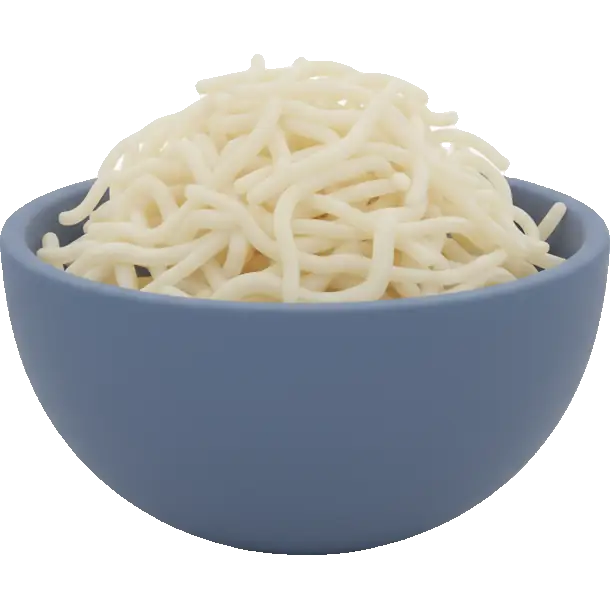





The pattern is consistent: legumes, nuts, seeds, whole grains, soy and cocoa sit at the top, alongside some shellfish and a handful of vegetables.
It's a load, and it's relevant to a specific group
For most people, the foods on this list - beans, nuts, oats - are exactly the foods nutrition advice recommends, and there's no reason to avoid them. High-nickel foods are only worth limiting if you have a confirmed nickel allergy and react systemically to dietary nickel. Even then, the total nickel load across a day is what counts.3
Finding your pattern
If nickel is relevant to you, the things worth tracking are your total daily intake of high-nickel foods and how it lines up with skin and gut symptoms over the following day or two.
Check any food in seconds
The nickel checker grades any food in our database, and every food on this page links to its own page with the rest of what it carries.
Where Triggerbites fits in
This list comes straight from the food data inside Triggerbites, which tags every ingredient for nickel alongside 40+ other trigger criteria.
So when you log meals in plain language, Triggerbites extracts the ingredients, tags the nickel load, and shows your cumulative intake against your symptoms over time - a clear, documented picture to bring to a doctor.
It takes seconds a day, and it makes a trace element you can't taste finally trackable.






Triggerbites Features
- Log your day in 30 seconds: Text, voice or photo. Log as you go, or recap it all in the evening.
- Your food, broken down: Meals become ingredients and sensitivity profiles: histamine, salicylates, FODMAPs, allergens, and even the additives on packaged food.
- Everything in the same journal: Symptoms, supplements, sleep, stress, exercise and mood, beside what you ate.
- See what repeats over time: Patterns between what you eat and how you feel, including delayed reactions that show up days later.
Common questions
What foods are highest in nickel?
Oats, peanuts and peanut butter, soy in all its forms, beans and lentils, nuts and seeds, cocoa and dark chocolate, spinach, buckwheat and wholegrain wheat. They are mostly plant foods that nutrition advice otherwise recommends.
Can you cook nickel out of food?
No. Nickel is an element, so heat does not destroy it. Cooking can add a little instead: acidic food simmered in stainless steel picks some up, which is why enamel, glass or titanium pans are the usual advice for a low-nickel diet.
Is chocolate high in nickel?
Yes. Cocoa is one of the highest-nickel foods there is, and dark chocolate carries more than milk chocolate because it is mostly cocoa solids. For anyone limiting nickel, this is usually the first thing to look at.
Who actually needs a low-nickel diet?
People with a confirmed nickel contact allergy who also react systemically to dietary nickel, a picture called systemic nickel allergy syndrome. That is a specific group, not the general population, and most people have no reason to avoid these foods.
Does tap water contain nickel?
It can, especially the first water standing in the pipes overnight. Running the tap for a short while before filling a glass or a kettle is a standard part of a low-nickel routine.
How long does a nickel reaction take?
Dietary nickel reactions are typically delayed, appearing a day or more after eating rather than within the hour. That lag is why nickel is so easy to miss without a written record.
For related pieces, see why your skin reacts to food and how to find your food triggers.
Live, love, log. 🧡
References
 PMC
PMCArticle References and Citations
- U.S. National Library of Medicine (PMC): "Systemic nickel allergy syndrome" - https://www.ncbi.nlm.nih.gov/pmc/articles/PMC4406458/
- WebMD: "High-Nickel Foods to Avoid" - https://www.webmd.com/diet/foods-high-in-nickel
- Nickel Institute: "Low Nickel Diet for Nickel-Allergic Individuals" - https://nickelinstitute.org/en/science/human-health-fact-sheets/fact-sheet-6-low-nickel-diet